
2ND EDITION OF THE CONFERENCE “THE REGIONAL DIMENSION OF SECURITY” IN OPOLE
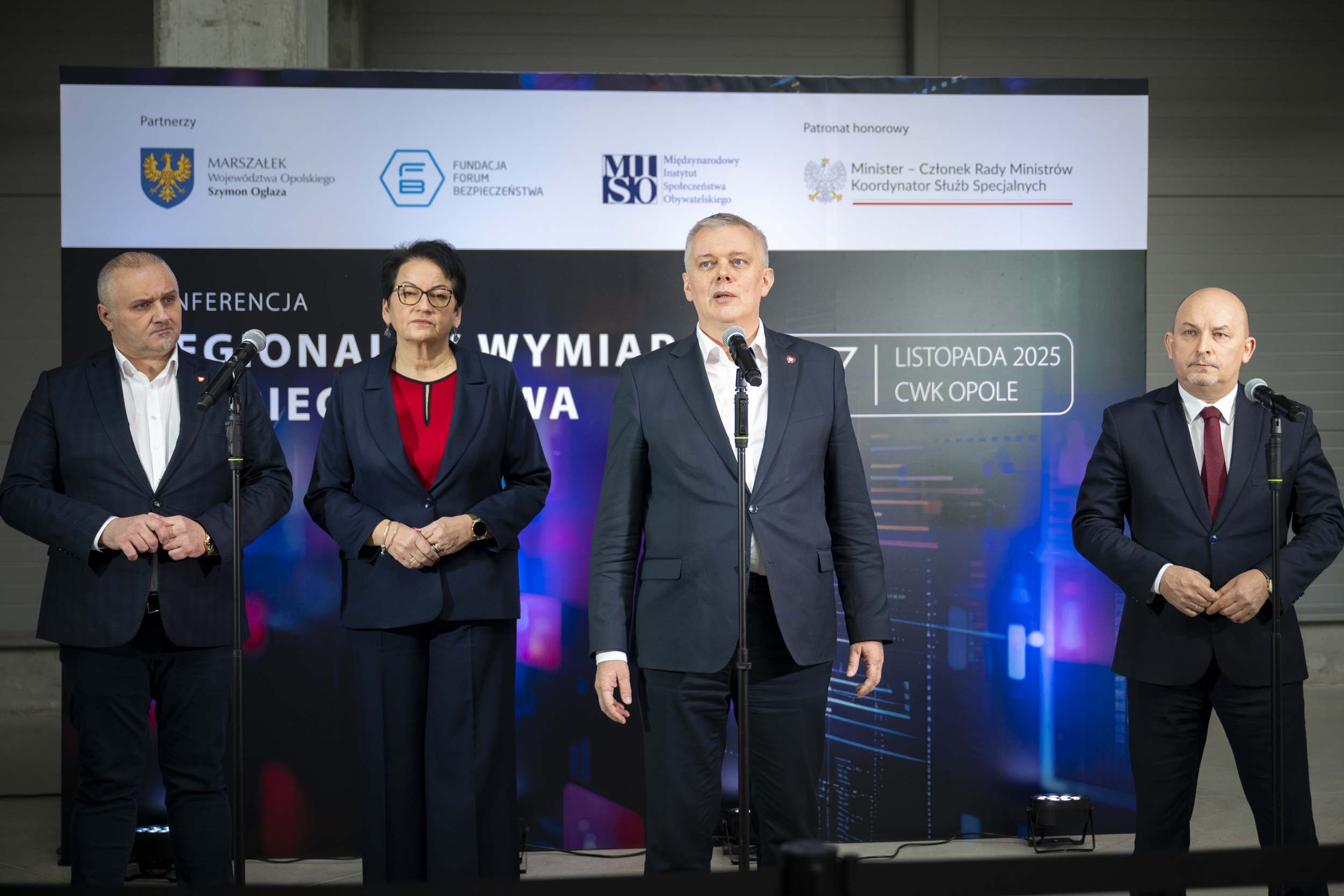
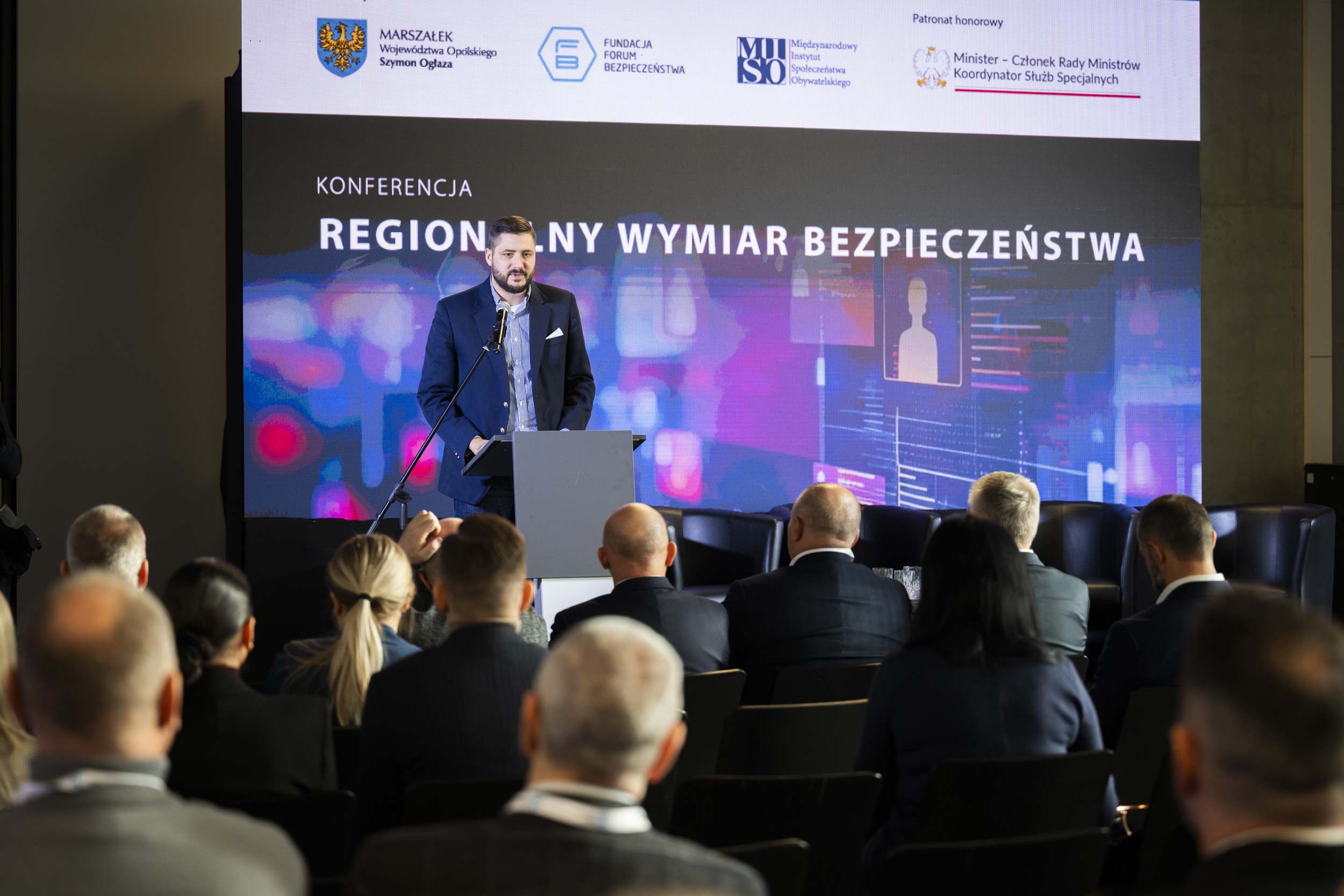
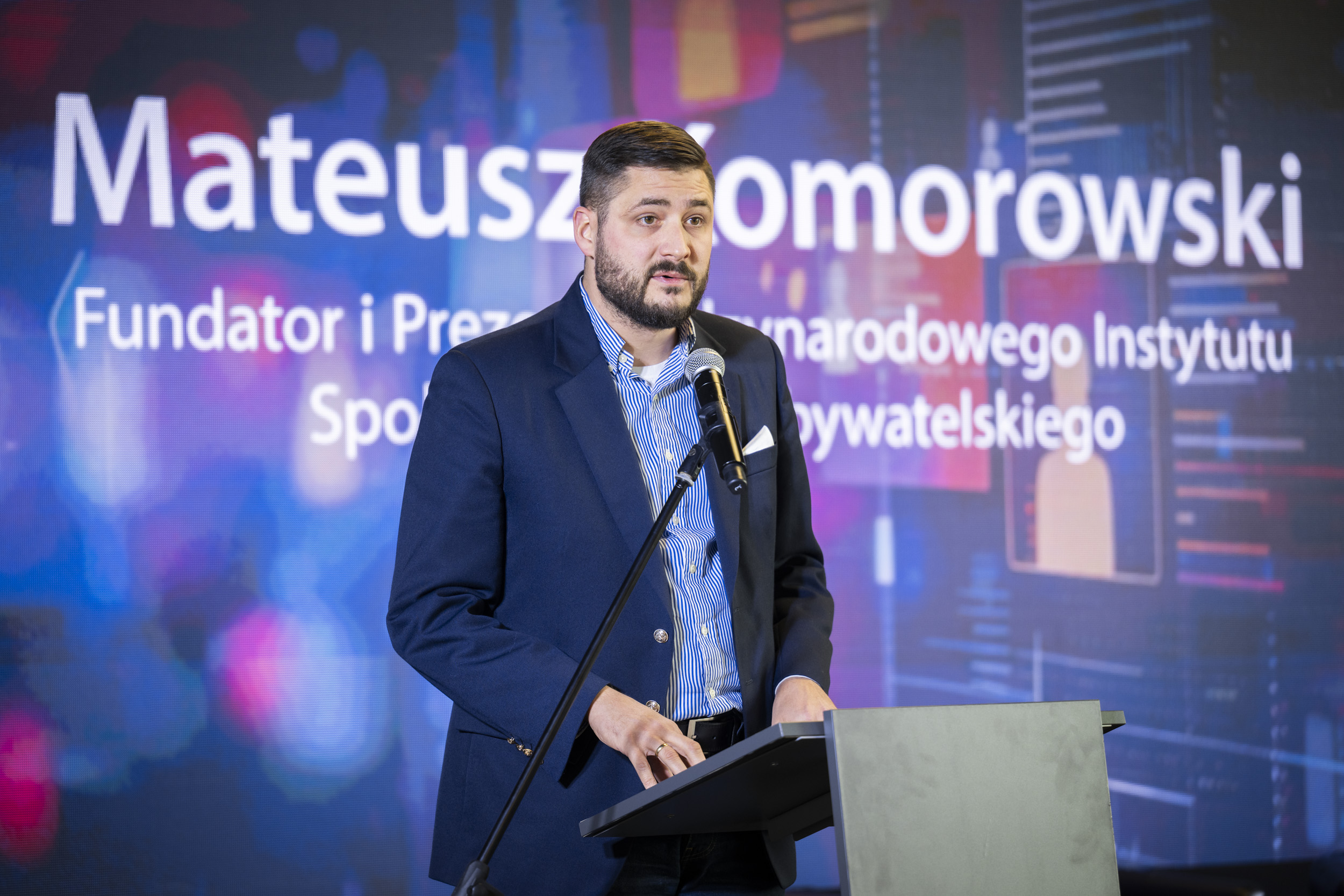
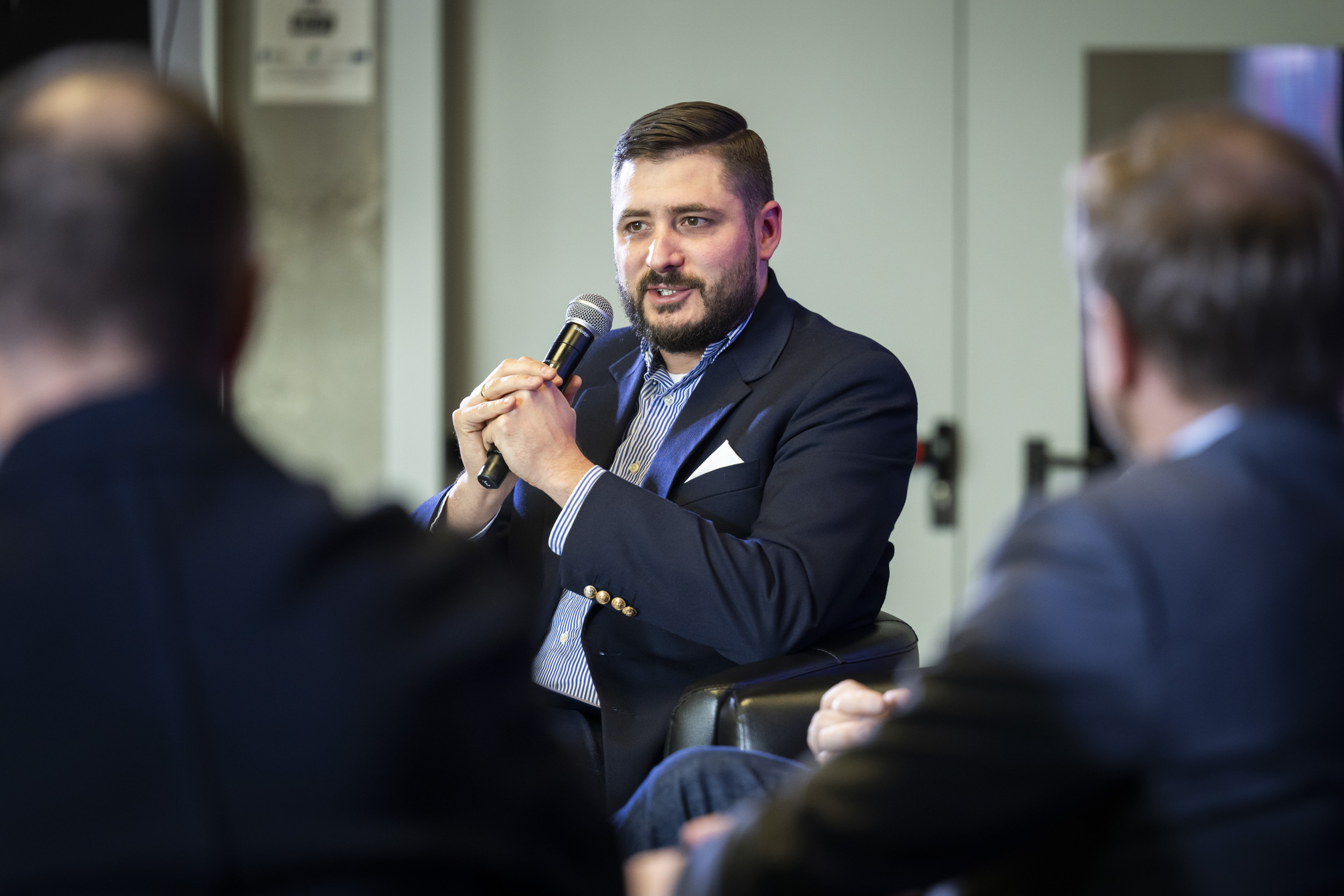
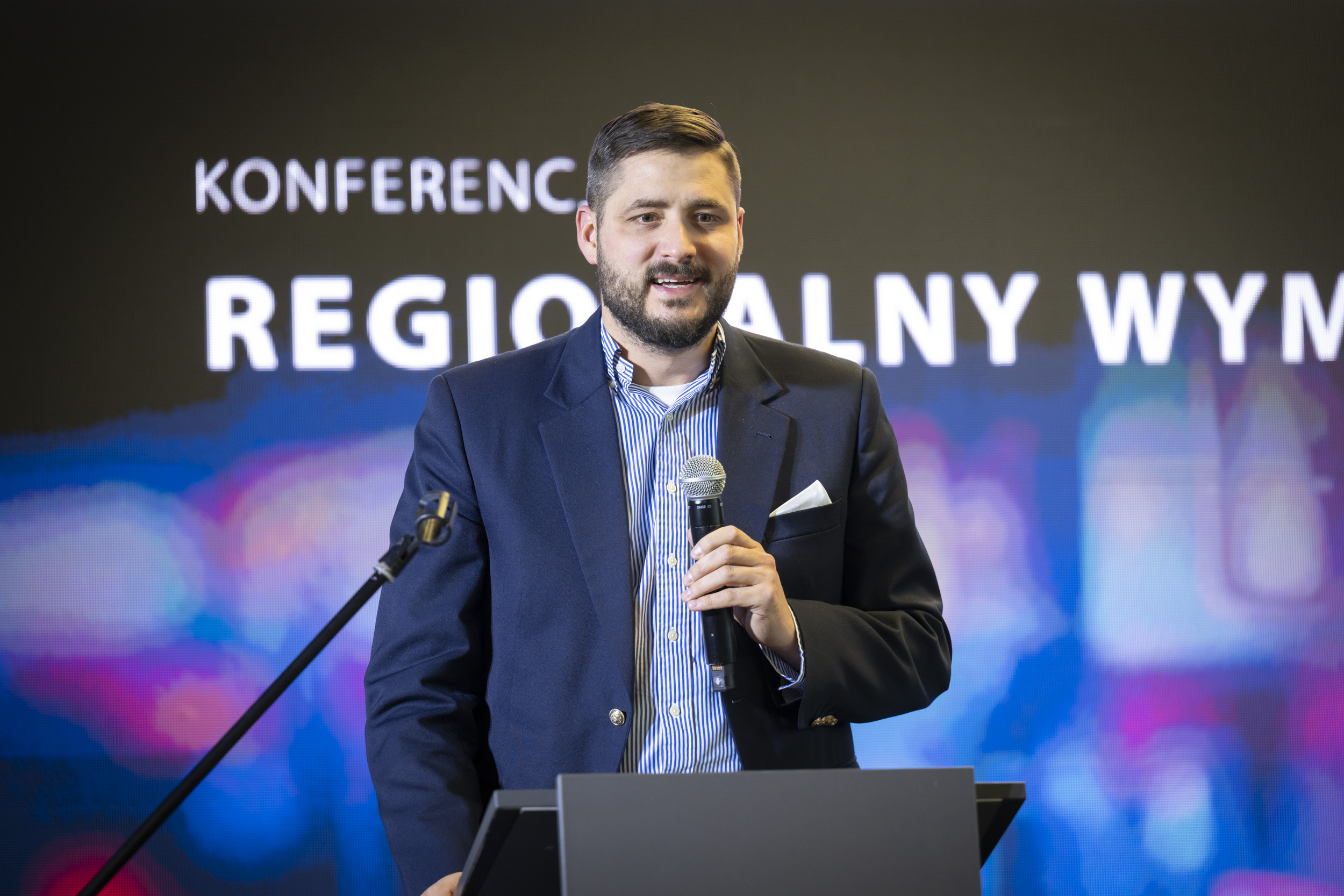
The conference was opened and chaired by Mateusz Komorowski, President of the International Institute of Civil Society, who welcomed participants and introduced the themes of the proceedings. In his speech, he emphasized that security does not begin in Warsaw nor end with ministerial decisions, but is created in regions, counties, municipalities, and local communities. He highlighted that local governments, volunteer fire brigades, schools, local organizations, rural women’s associations, foresters, doctors, volunteers, and residents form the first line of state resilience. He spoke about the importance of neighbourly assistance, local warning systems, crisis-response actions, education and youth engagement, social integration, support for public services, and building trust and a sense of community as key elements of modern security.
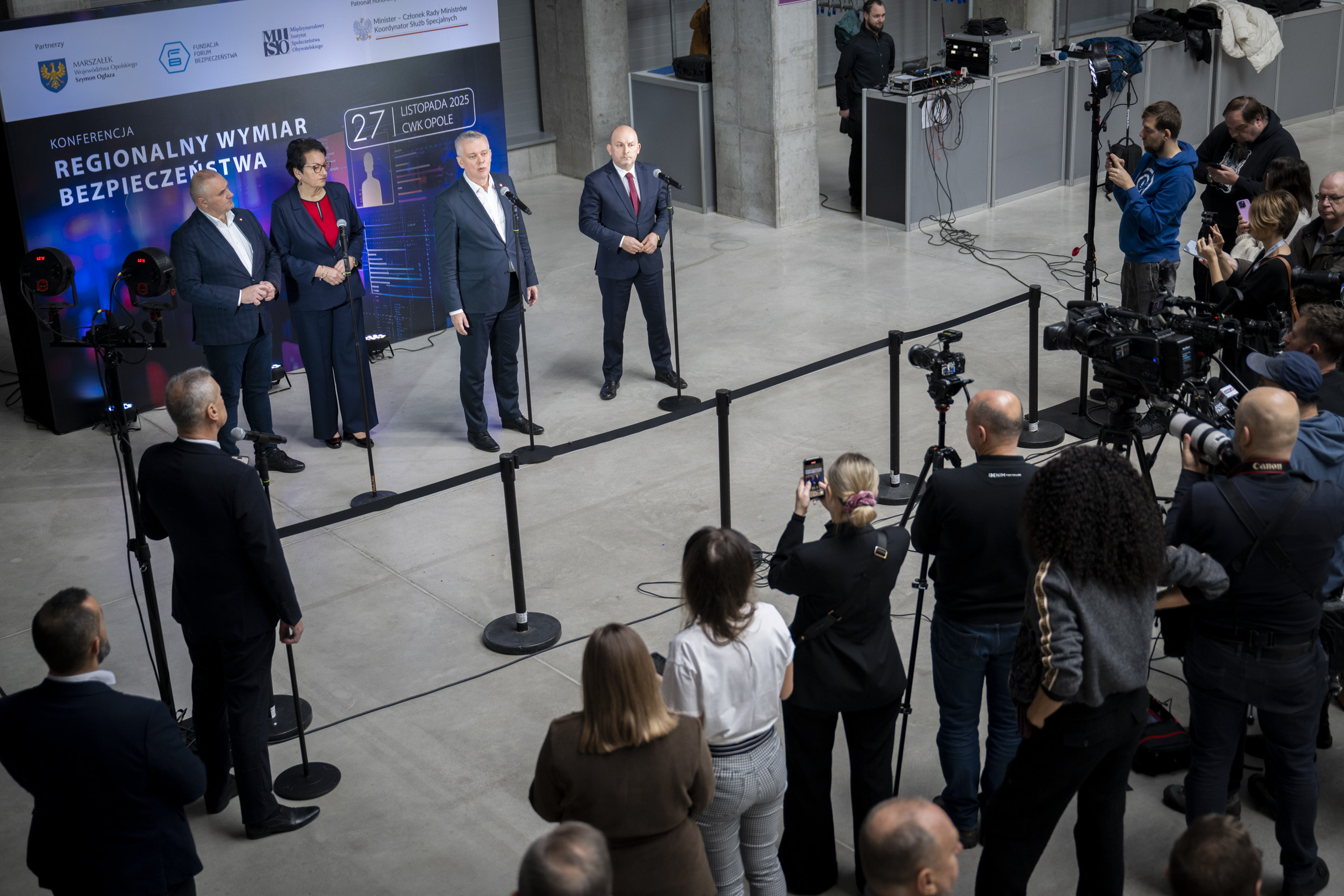
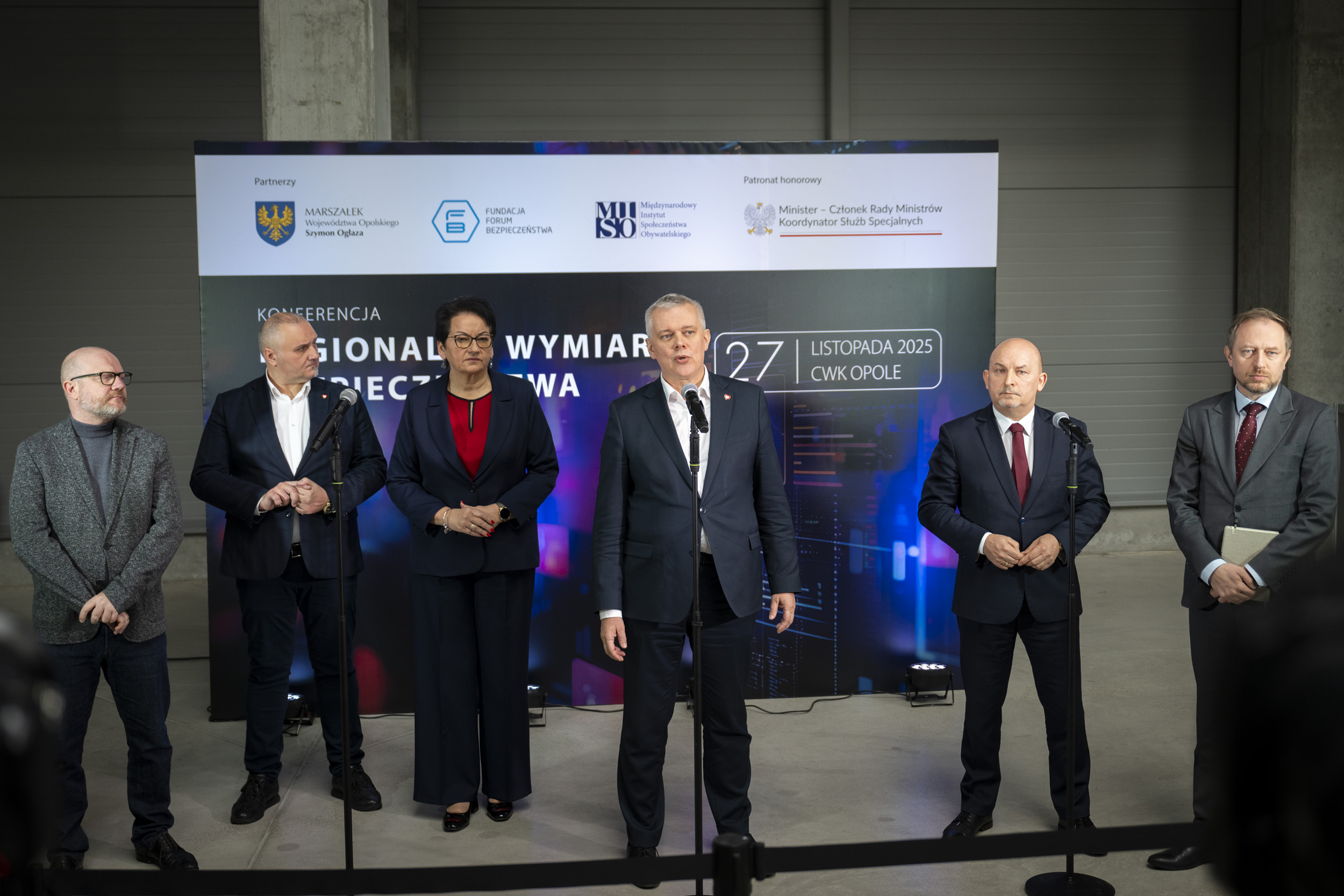
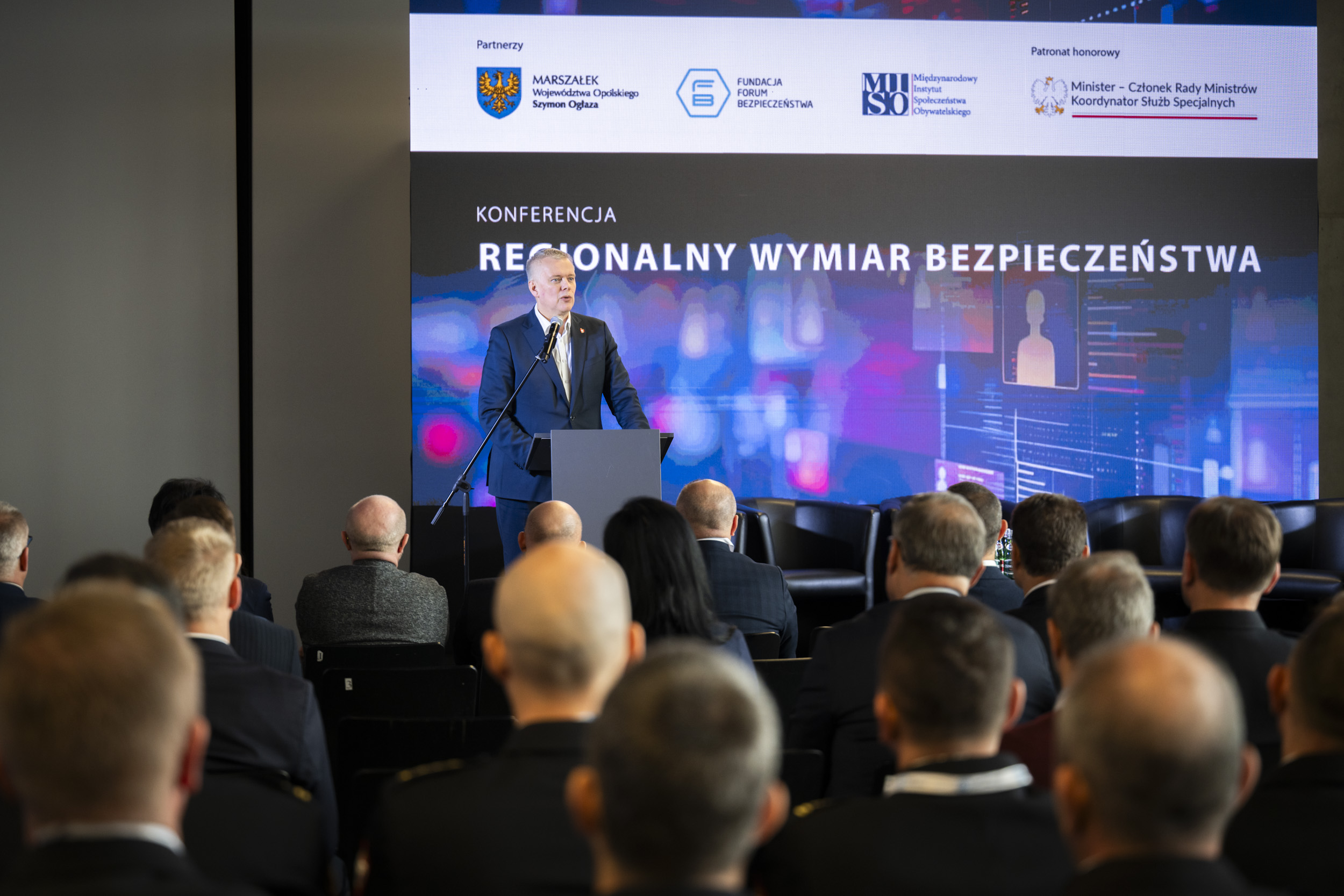
Next, the first invited speaker, Tomasz Siemoniak, Minister–Member of the Council of Ministers and Coordinator of Special Services, took the floor. In his opening address, he pointed to the close connection between national security and local security, and to the role of regions within the state system. He stressed that building strong central institutions is insufficient if they are not grounded in cooperation with local governments and communities. As he noted: “Security begins with a safe home, a safe street, one’s own town.” He went on to refer to the experiences of recent years, when the state and its services faced new threats, as well as to efforts to strengthen regional structures. In conclusion, he emphasized the shared responsibility of all participants in public life for security, stating: “Our security remains in the hands of each of us”.
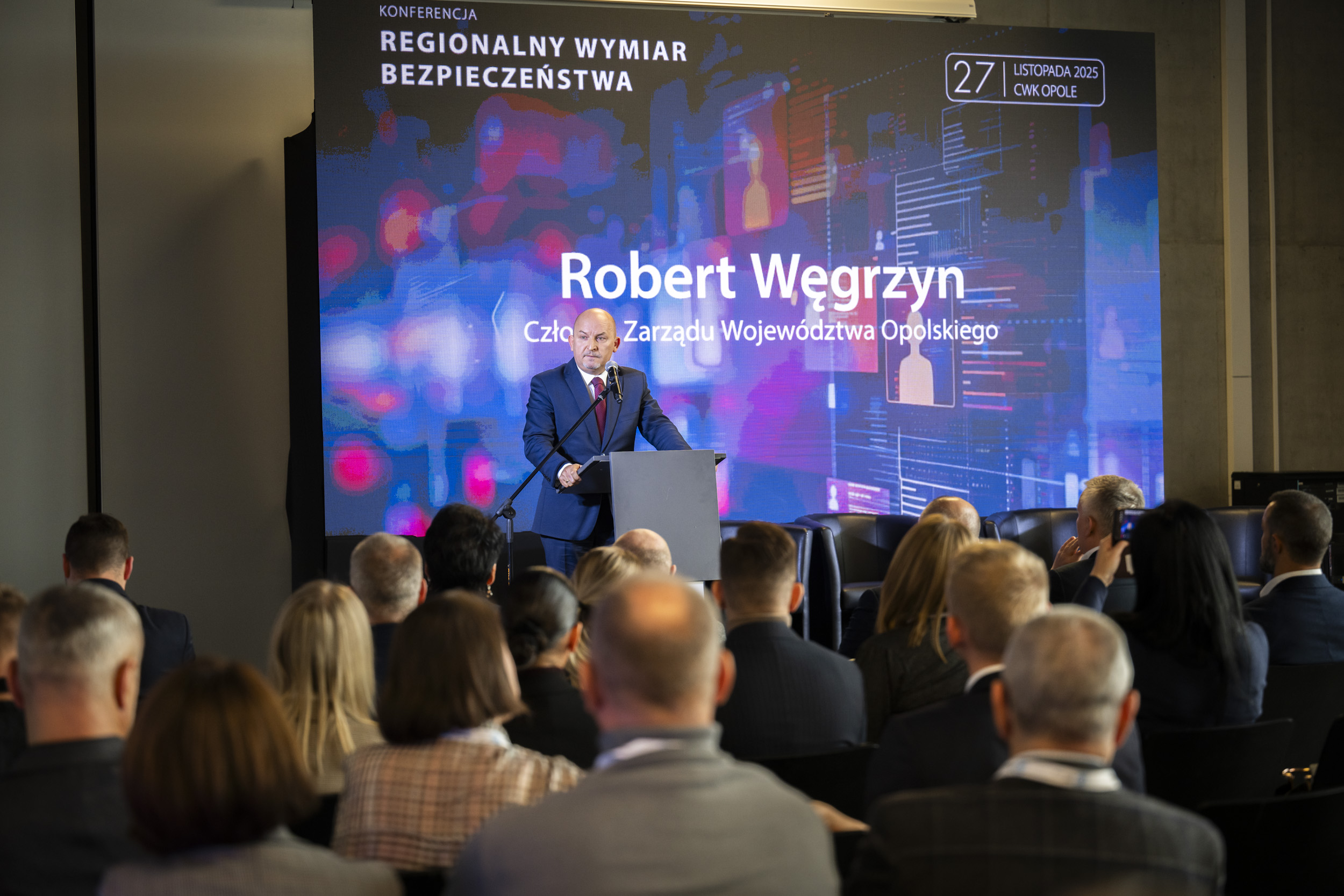
Following the minister’s speech, Robert Węgrzyn, Member of the Board of the Opolskie Voivodeship, addressed the audience, referring to the role of regional self-government in the security system. He stressed the importance of cooperation between the voivodeship, counties, and municipalities, as well as with public services and civic organizations, pointing to concrete regional experiences in crisis management and responses to emergency situations. He noted that it is at the regional level that the real impact of state strategic decisions on residents’ daily lives becomes visible, and that the effectiveness of the security system depends on the efficient functioning of local structures and citizen engagement.
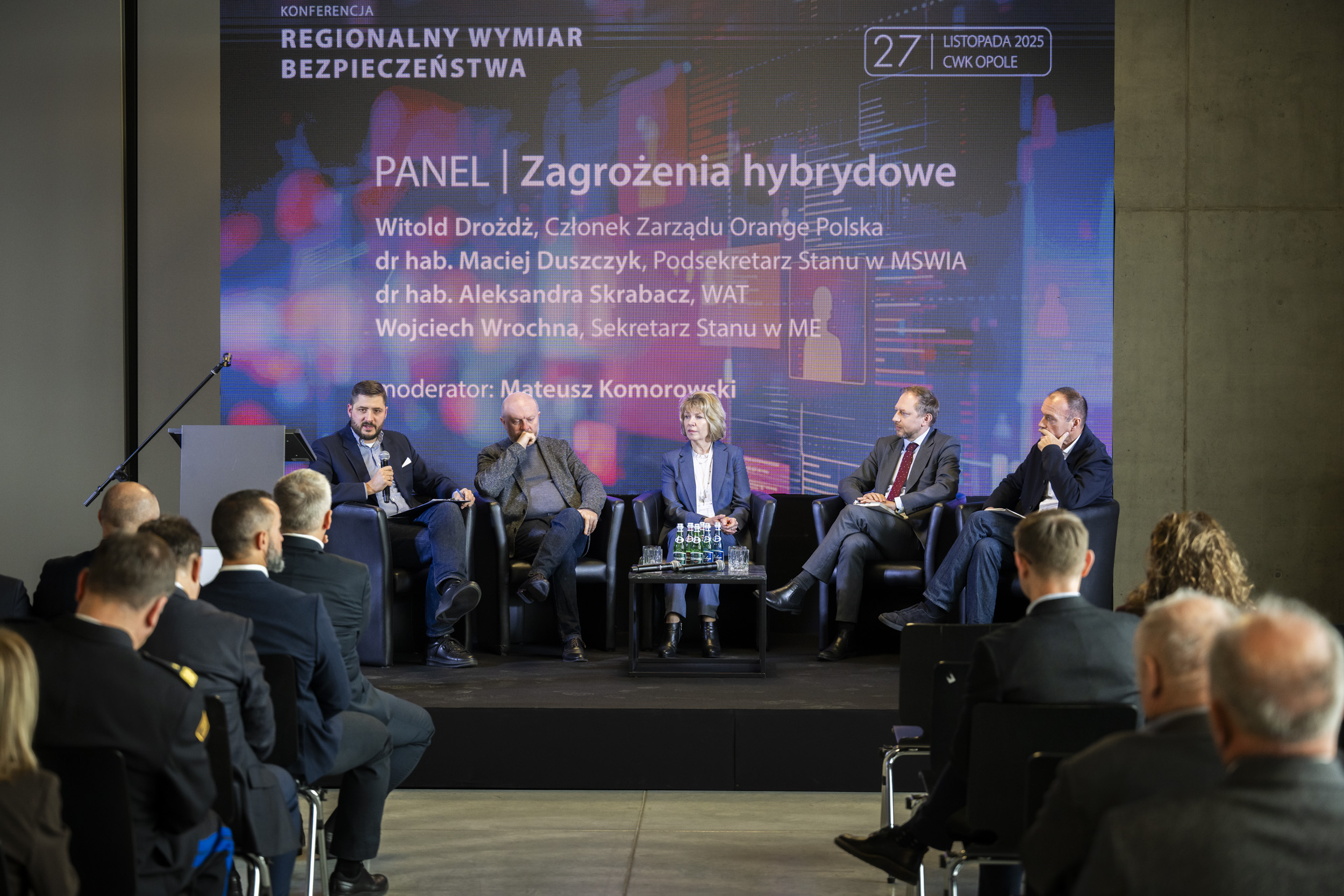
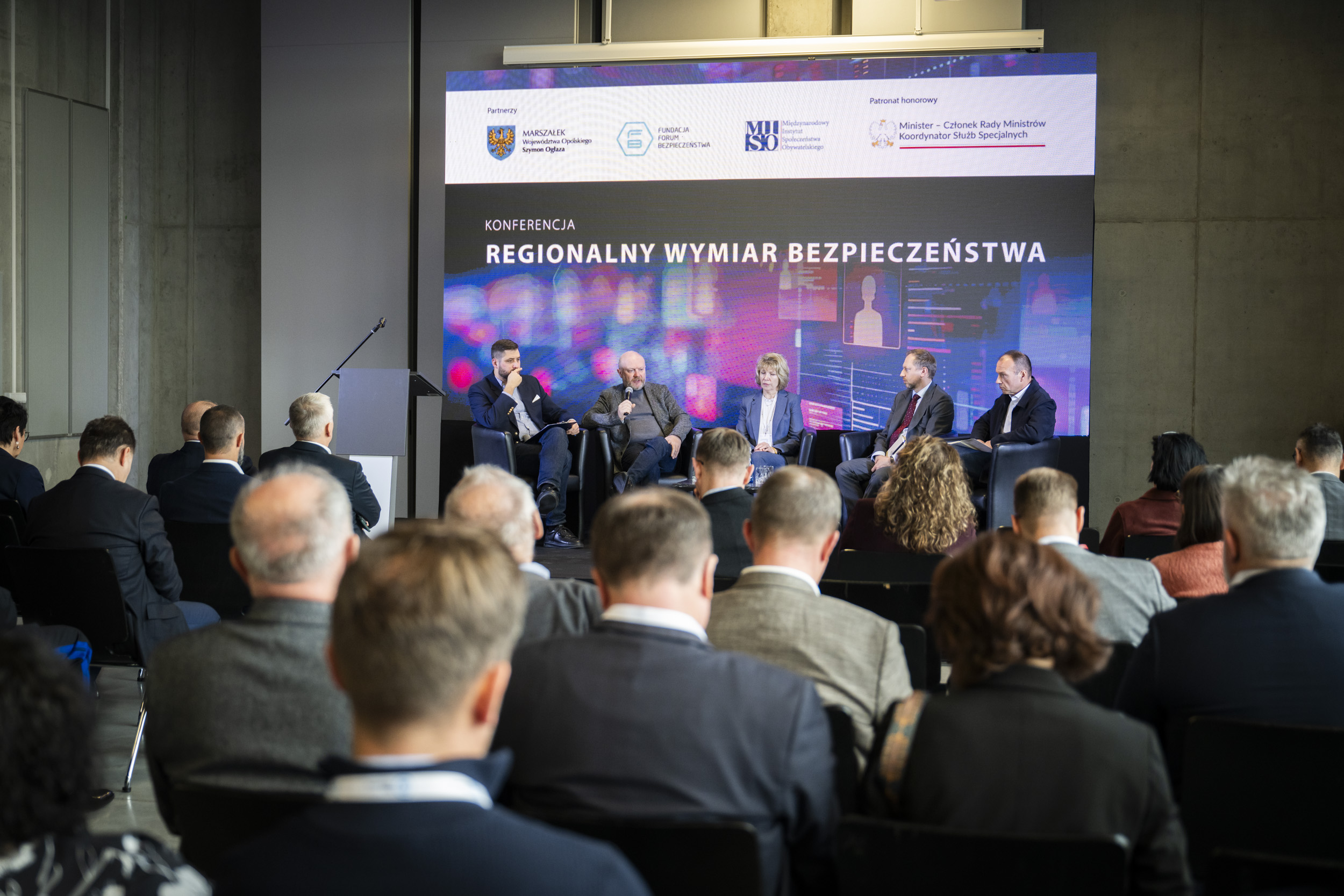
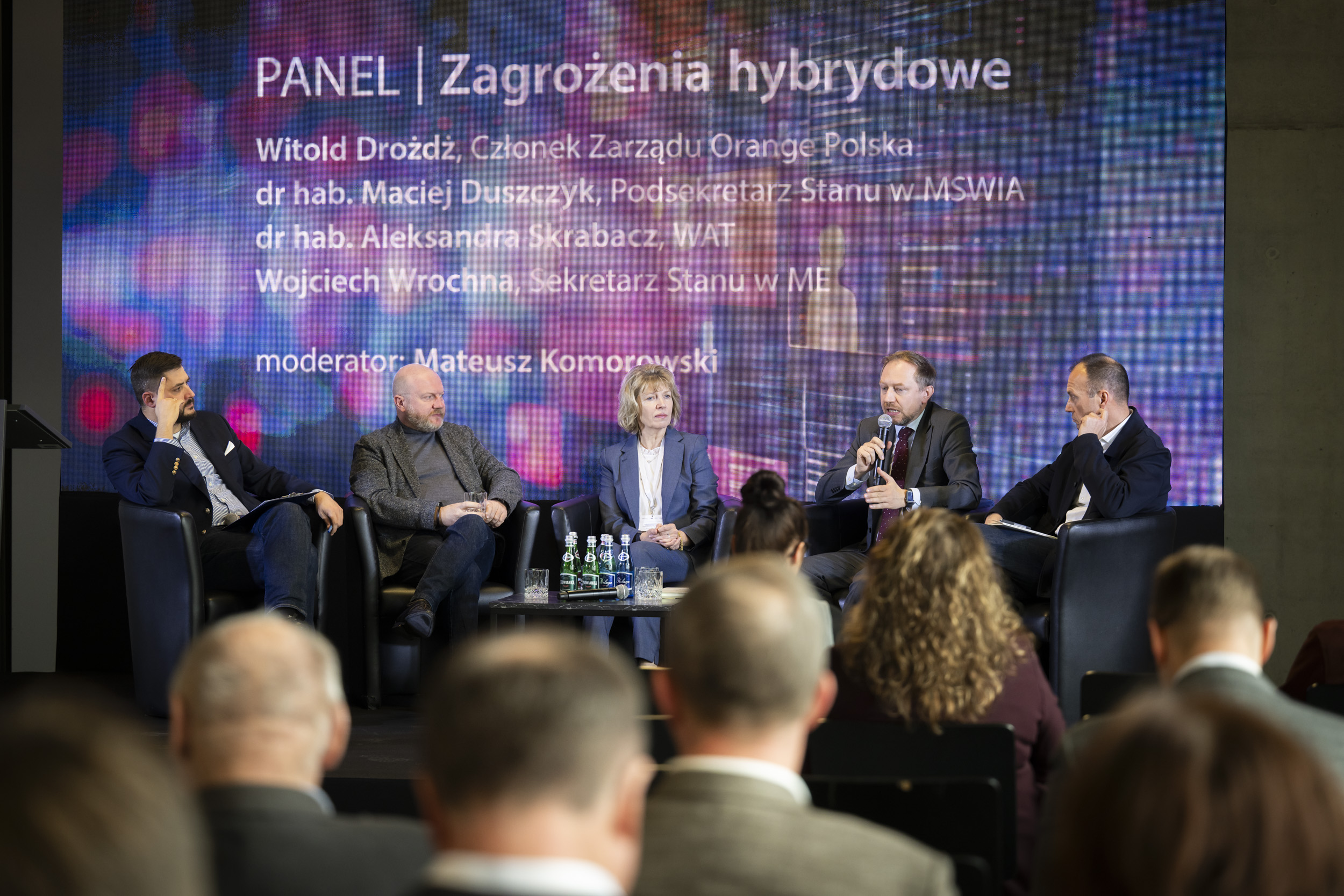
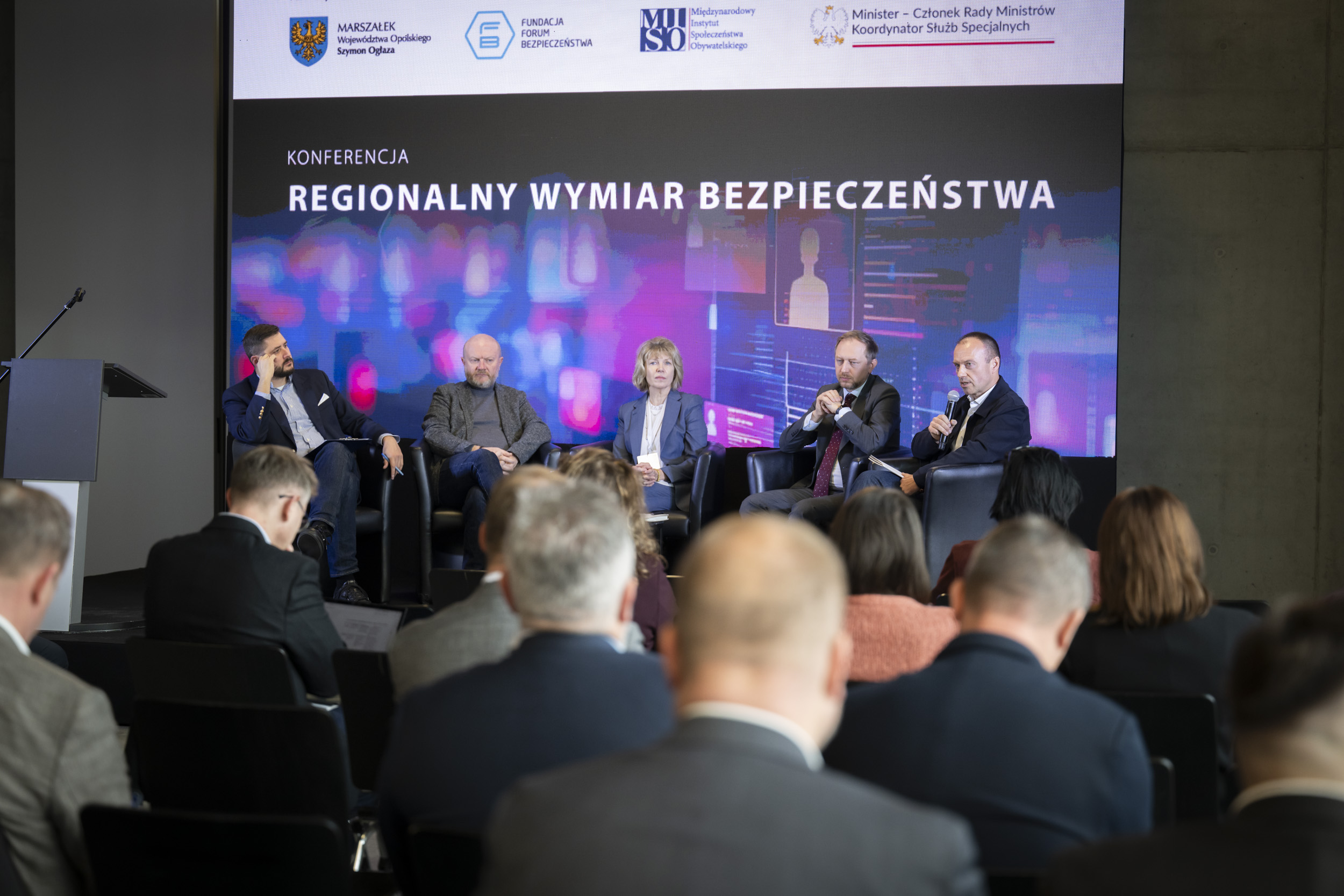
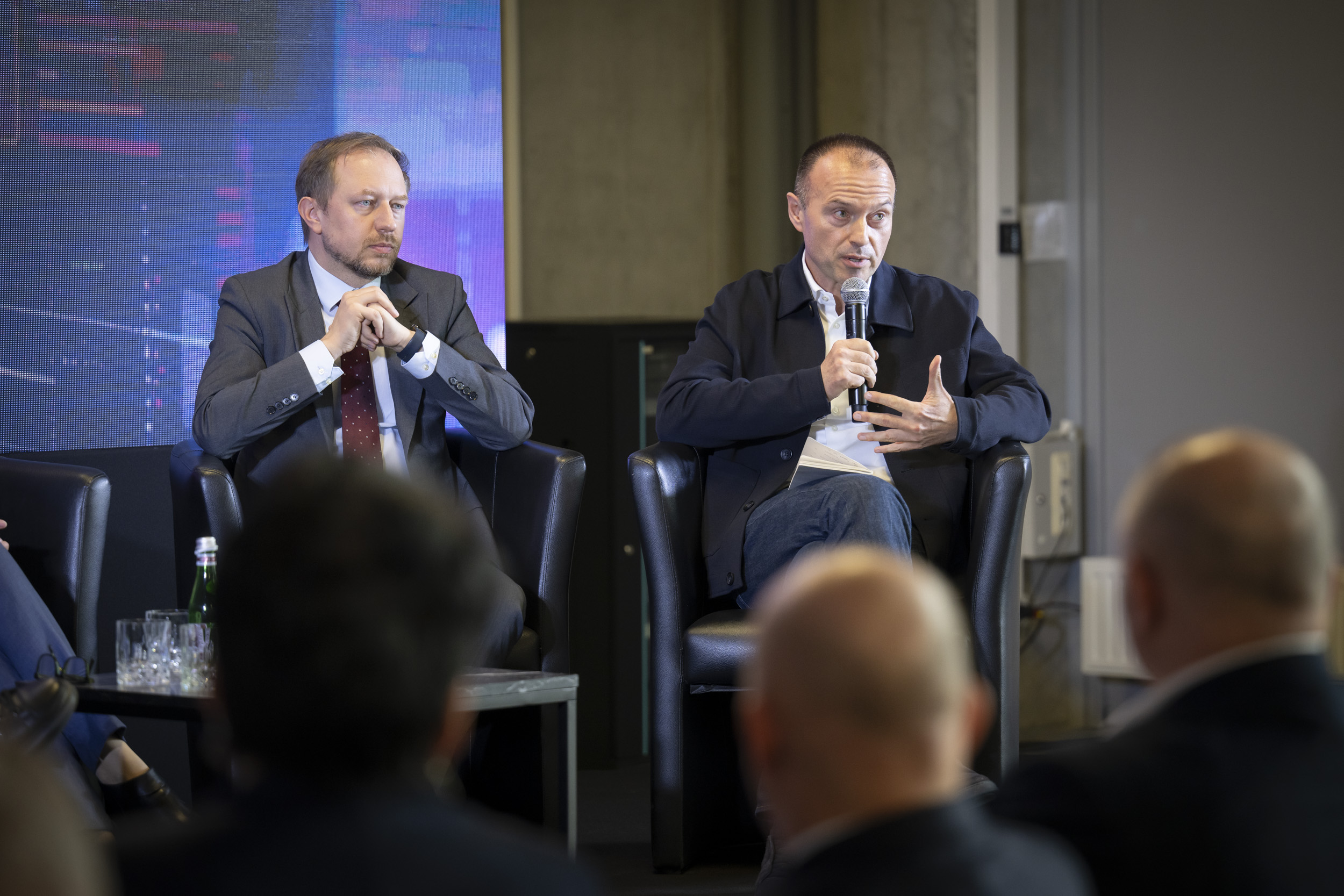
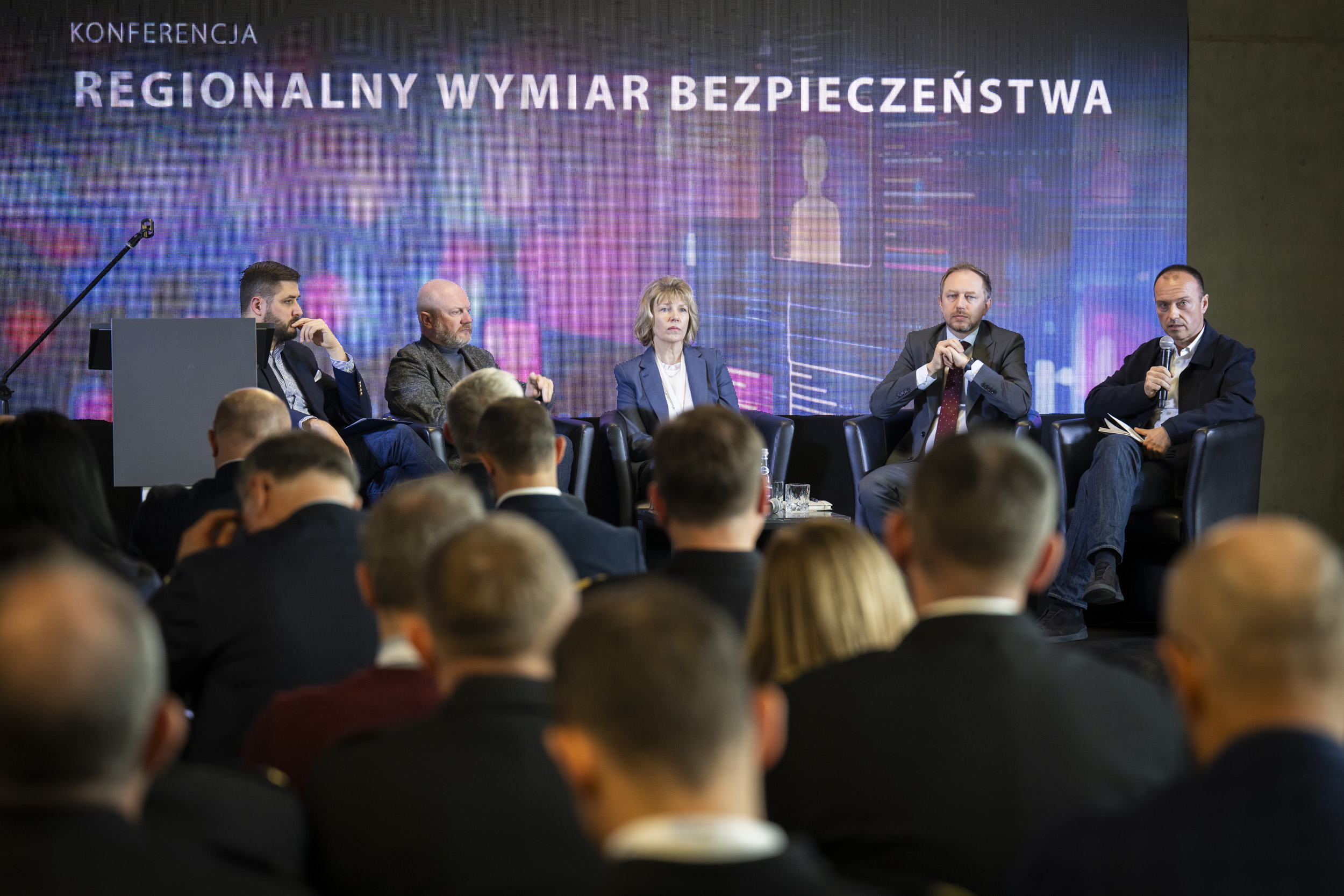
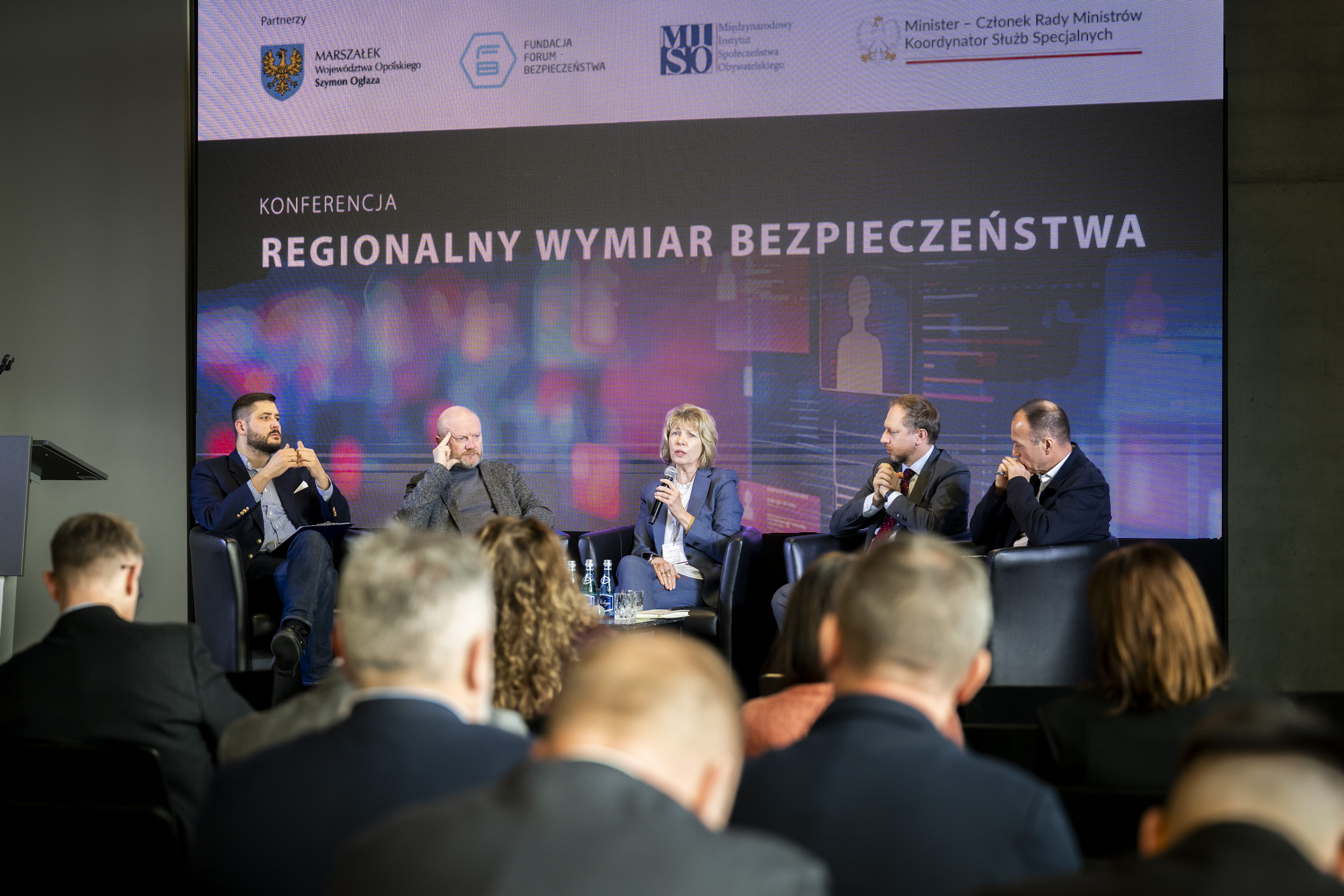
The next part of the agenda was the panel “Hybrid Threats,” moderated by Mateusz Komorowski, President of IICS. The discussion featured Witold Drożdż, Member of the Management Board of Orange Polska, Prof. Maciej Duszczyk — Deputy Minister of the Interior and Administration, Prof. Aleksandra Skrabacz of the Military University of Technology, and Wojciech Wrochna — Deputy Minister of Energy and Government Plenipotentiary for Strategic Energy Infrastructure. During four opening statements followed by discussion, participants addressed, among other issues, migration as an instrument of hybrid warfare and experiences related to the situation on the eastern border, the security and resilience of energy infrastructure, cybersecurity in the telecommunications sector, and the role of social resilience in counteracting information pressure, disinformation, and other forms of hybrid influence. The panel concluded with a summary outlining the most urgent actions needed to strengthen Poland’s resilience to such threats.
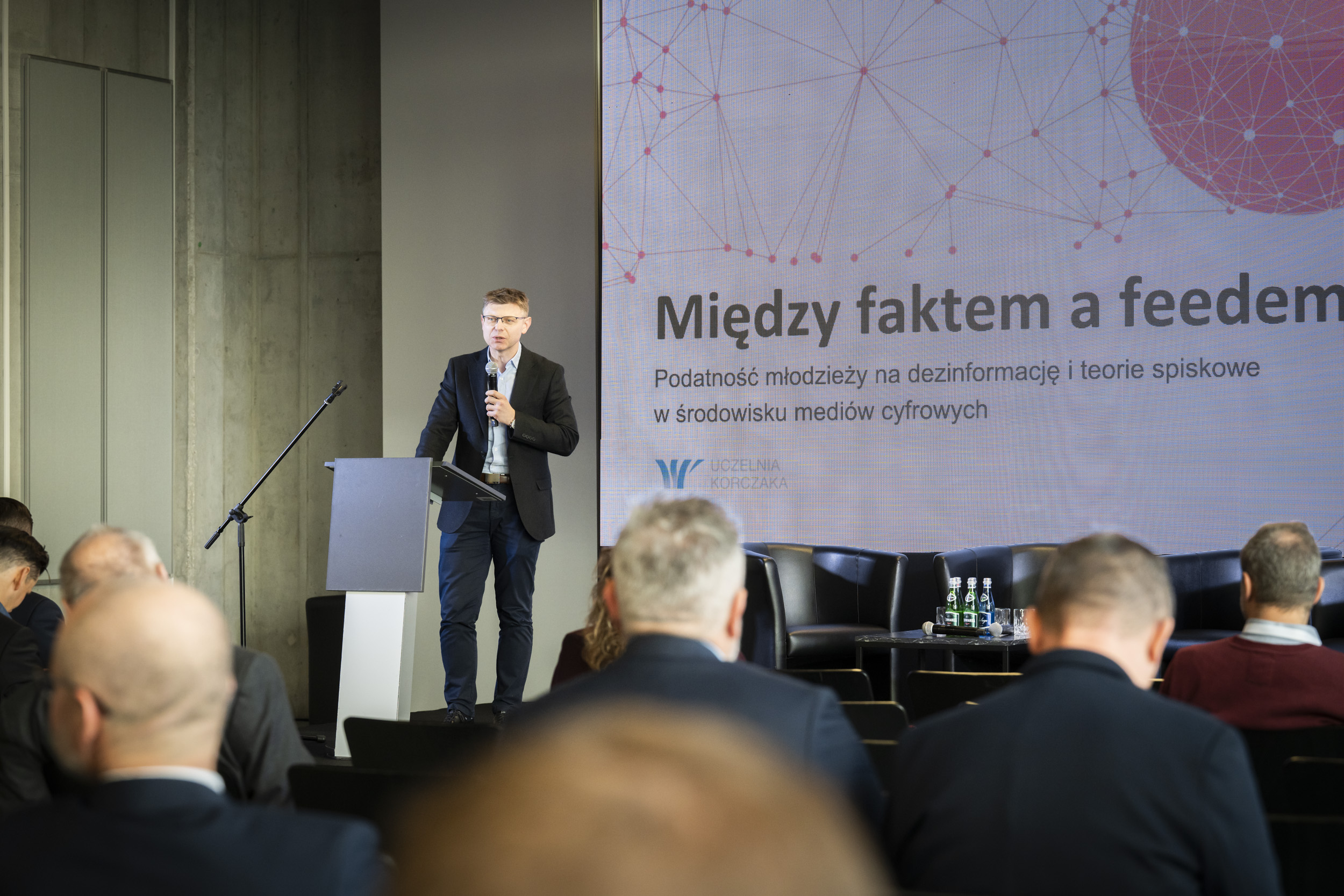
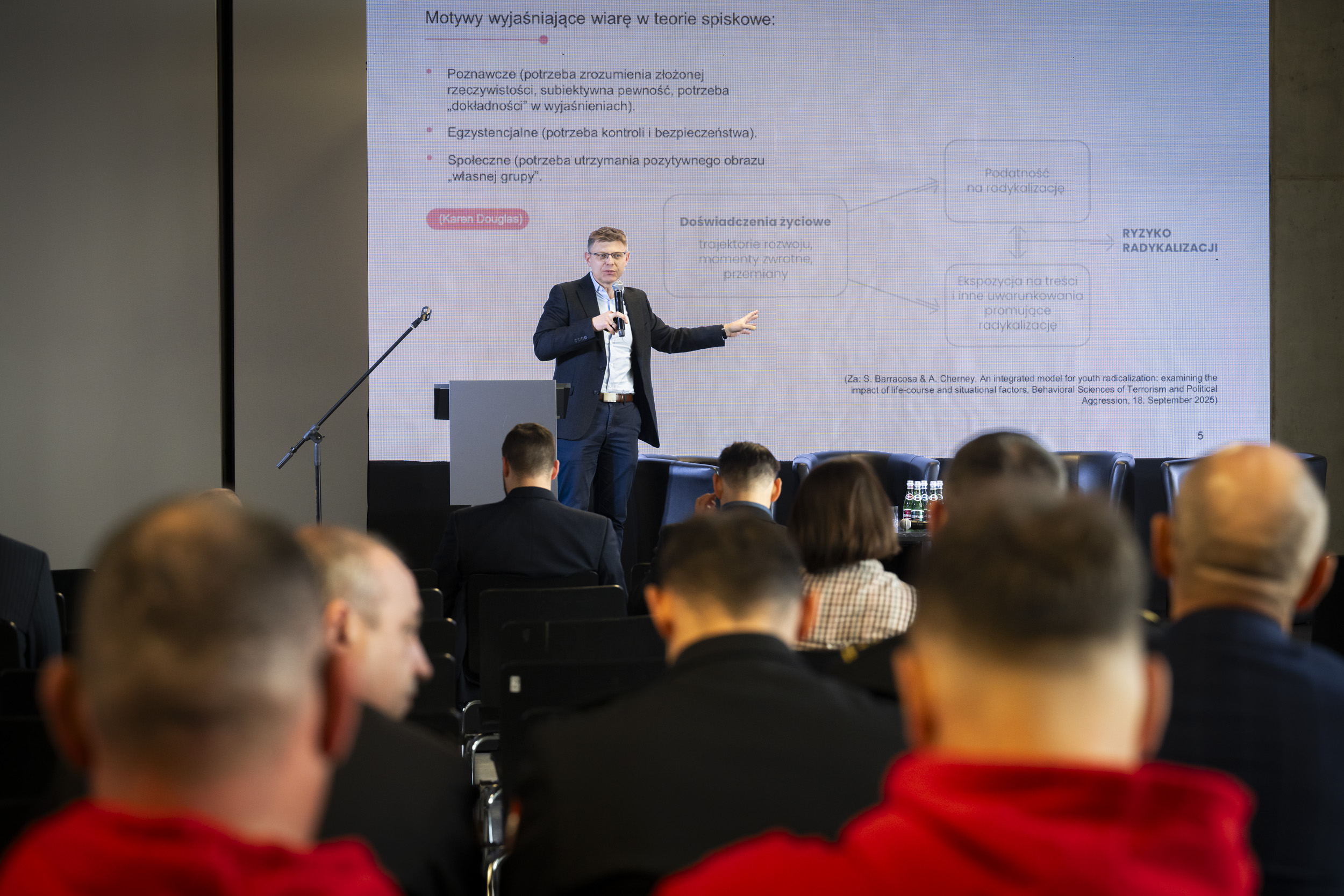
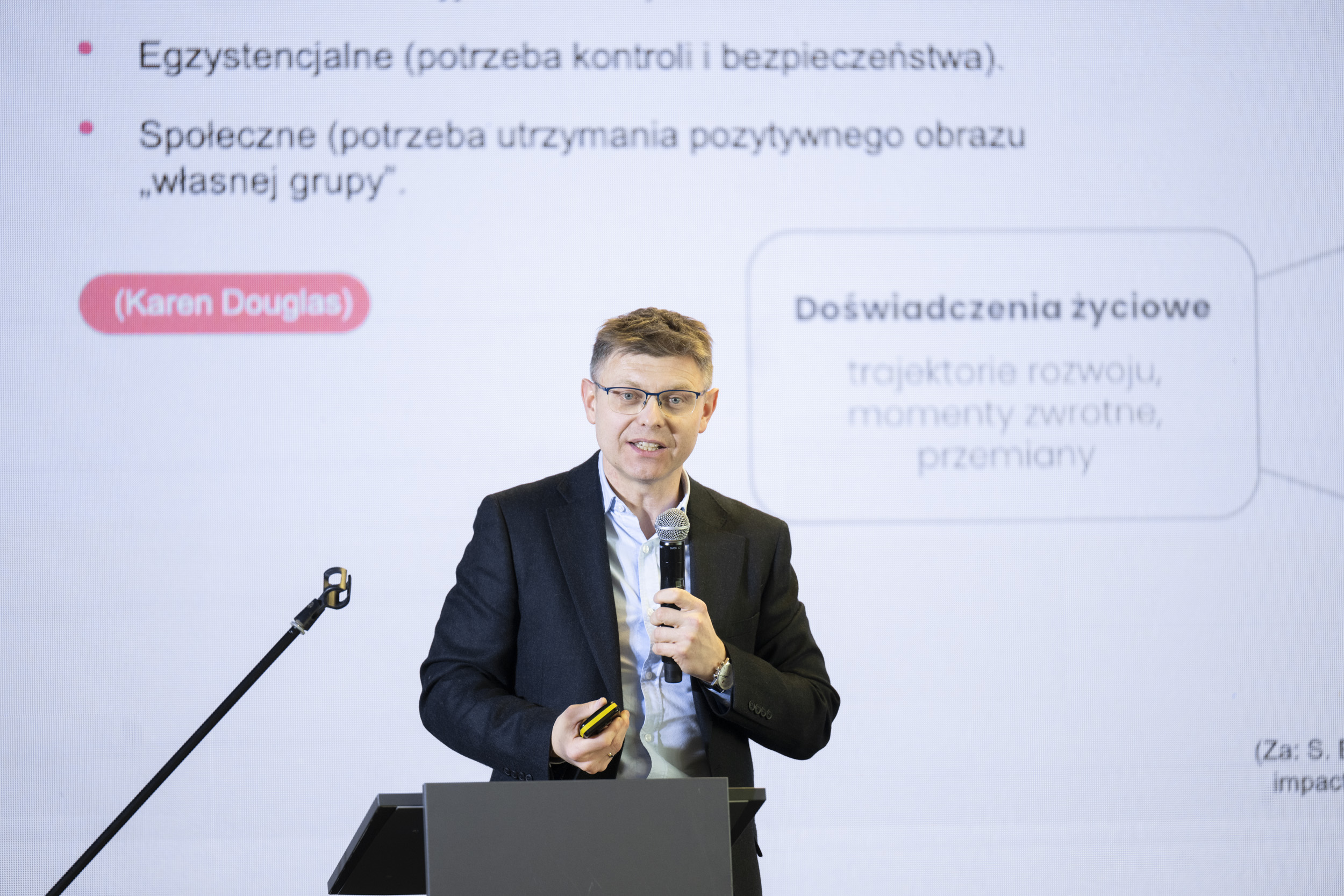
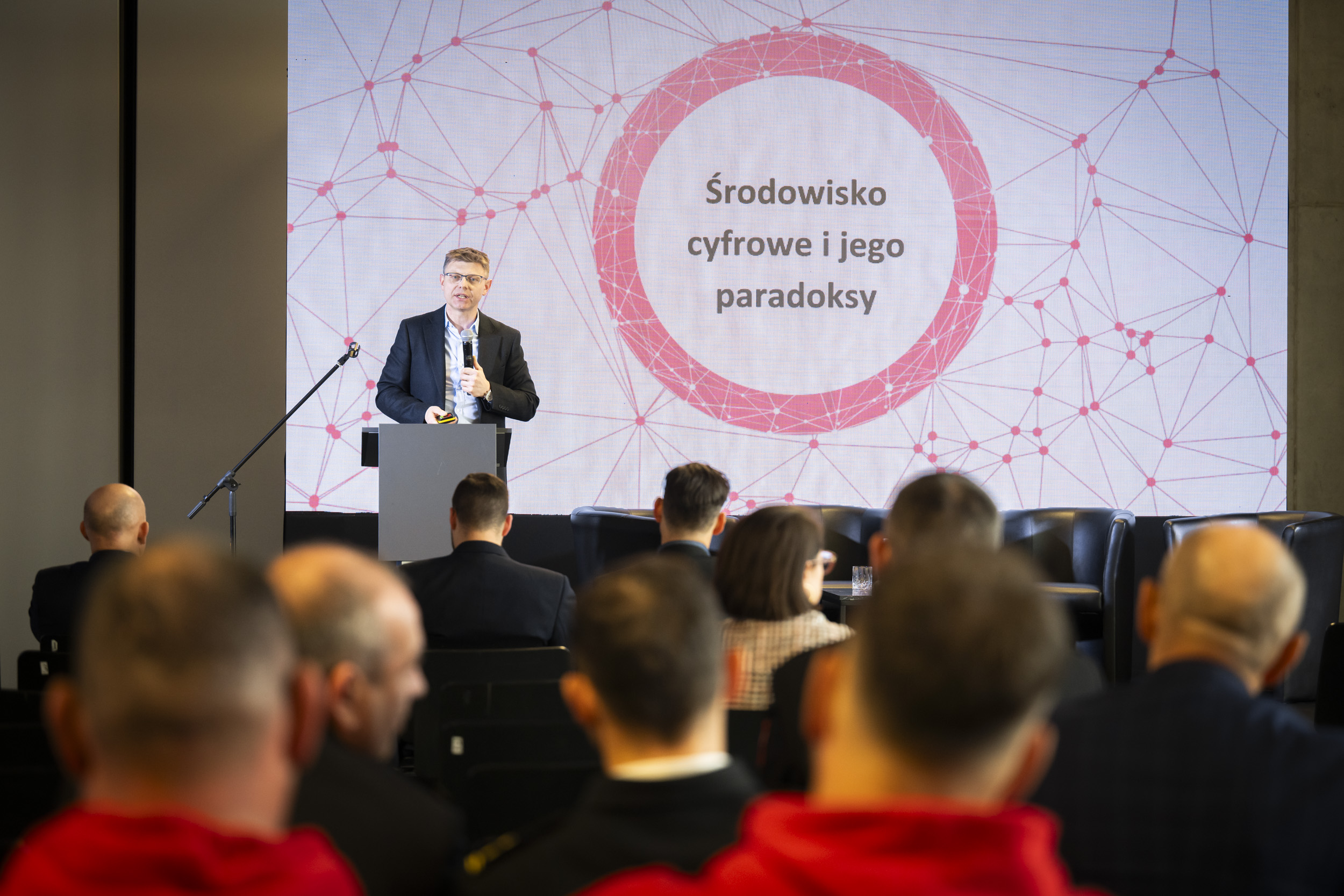
Following this discussion, Konrad Ciesiołkiewicz, PhD. of the Korczak University, Head of the Information Society Analysis Centre, delivered a presentation entitled “Young People’s Vulnerability to Disinformation and Conspiracy Theories: A Challenge for State Security?” In his paper, he presented the results of the latest research in this field, the mechanisms behind young people’s susceptibility to informational manipulation, the consequences of the spread of conspiracy theories for social trust and institutional functioning, and the importance of media and civic education as tools for building information resilience.
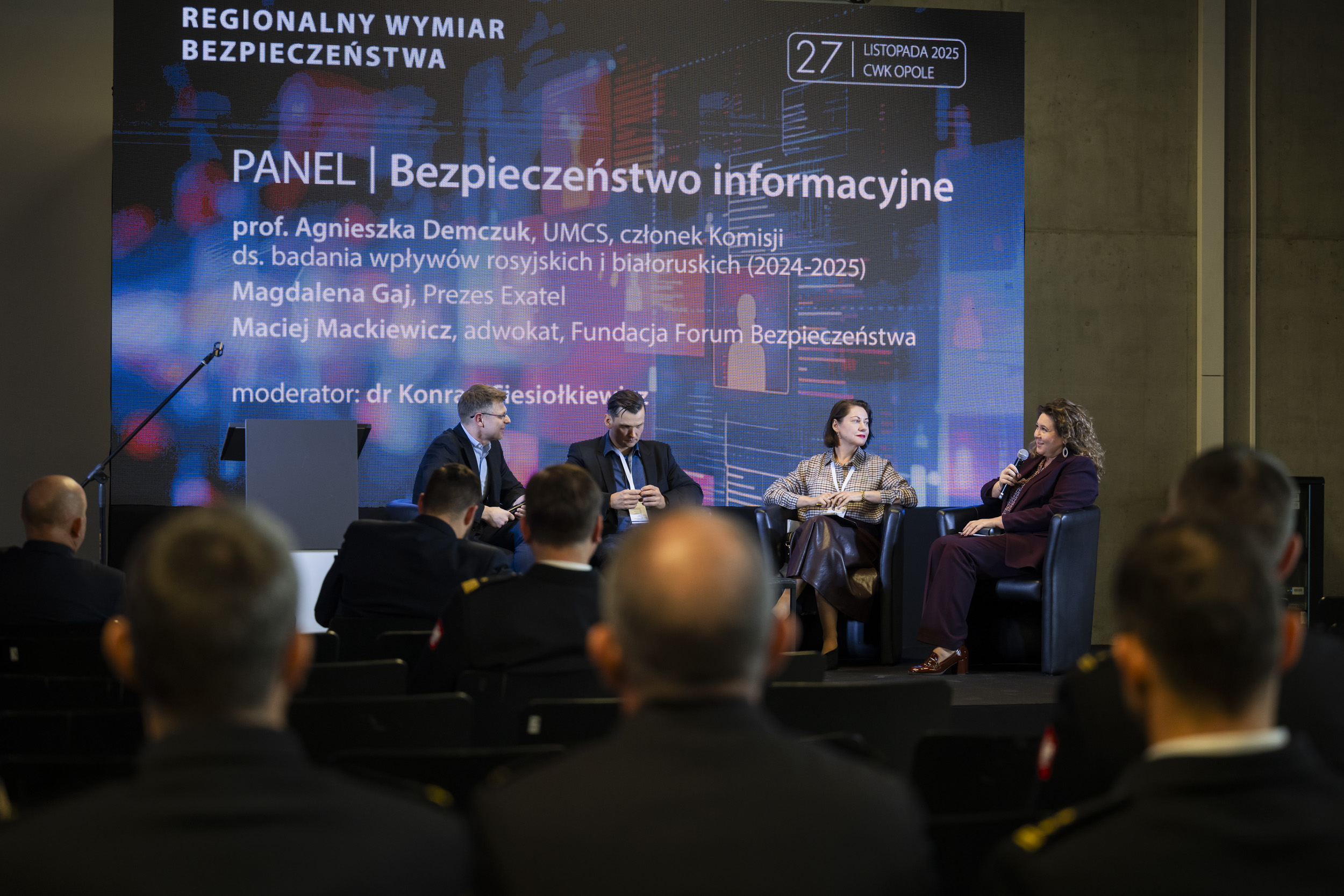
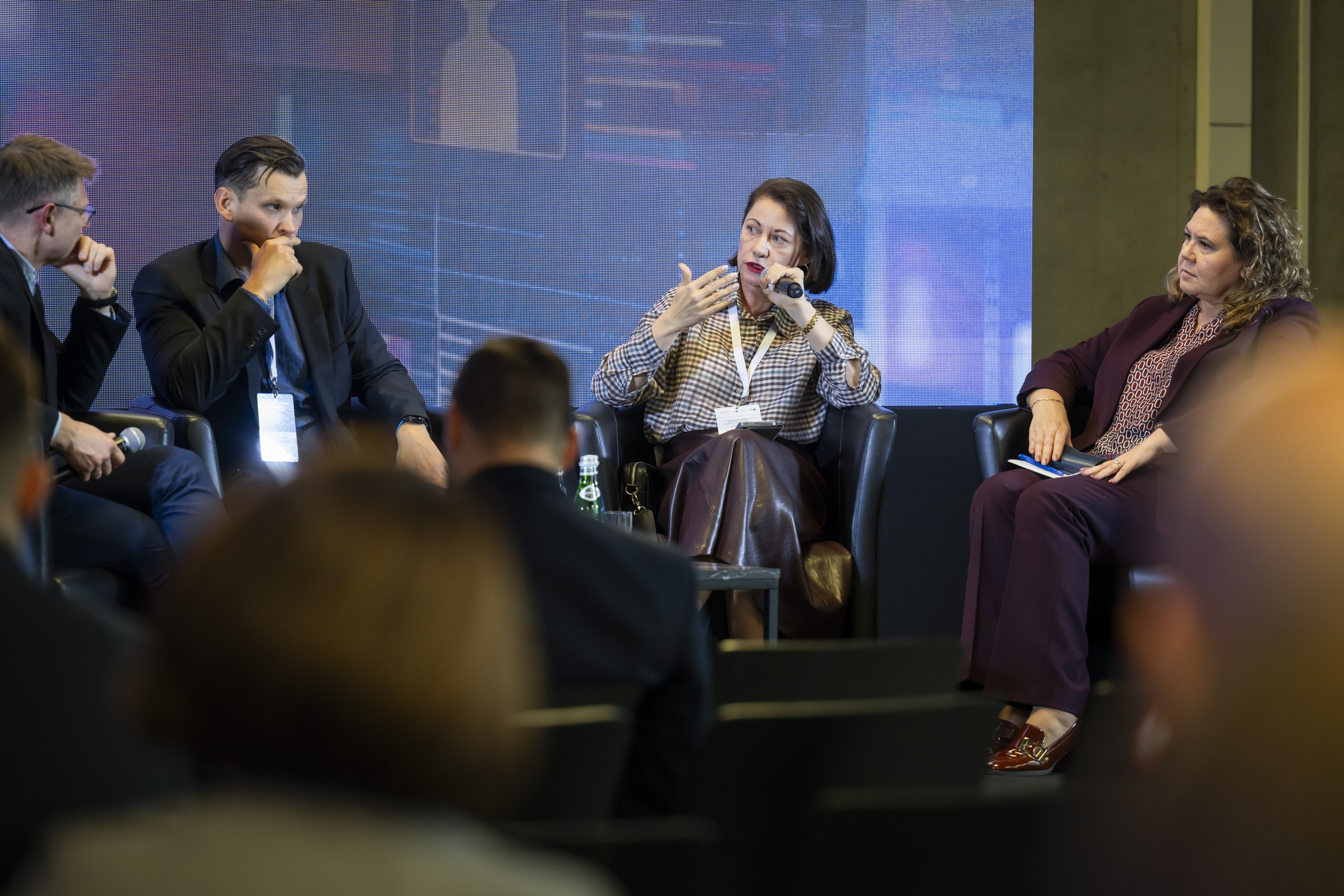
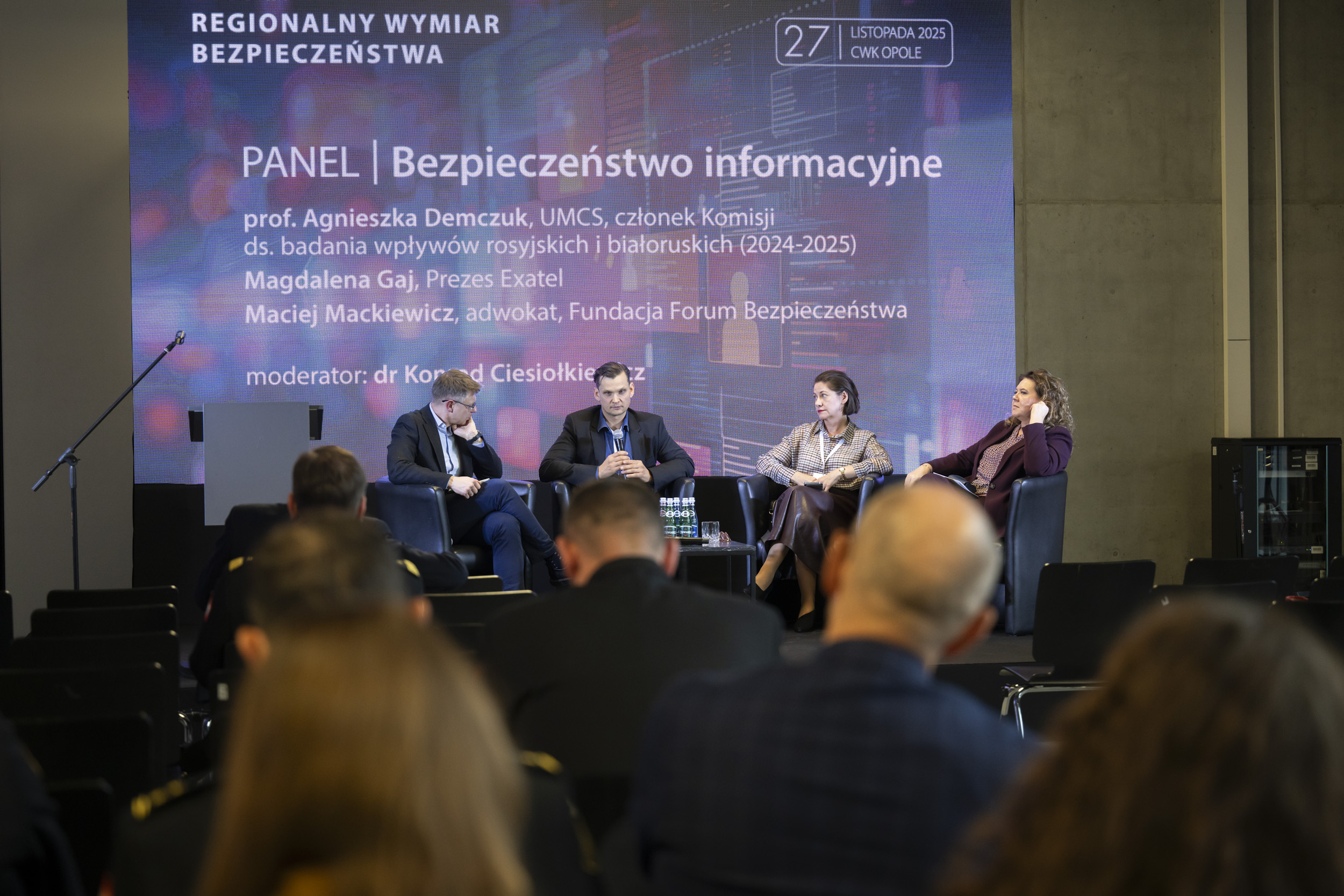
Immediately after the presentation, the panel “Information Security” took place, moderated by Konrad Ciesiołkiewicz, PhD. The participants included Professor Agnieszka Demczuk of Maria Curie-Skłodowska University, former member of the Commission for the Examination of Russian and Belarusian Influence, Magdalena Gaj — President of Exatel, and Maciej Mackiewicz — President of the Security Forum Foundation. The discussion addressed the protection of the state’s information infrastructure, securing digital communication, the role of operators and public administration in strengthening system resilience, as well as the impact of foreign disinformation campaigns on democratic processes and social order.
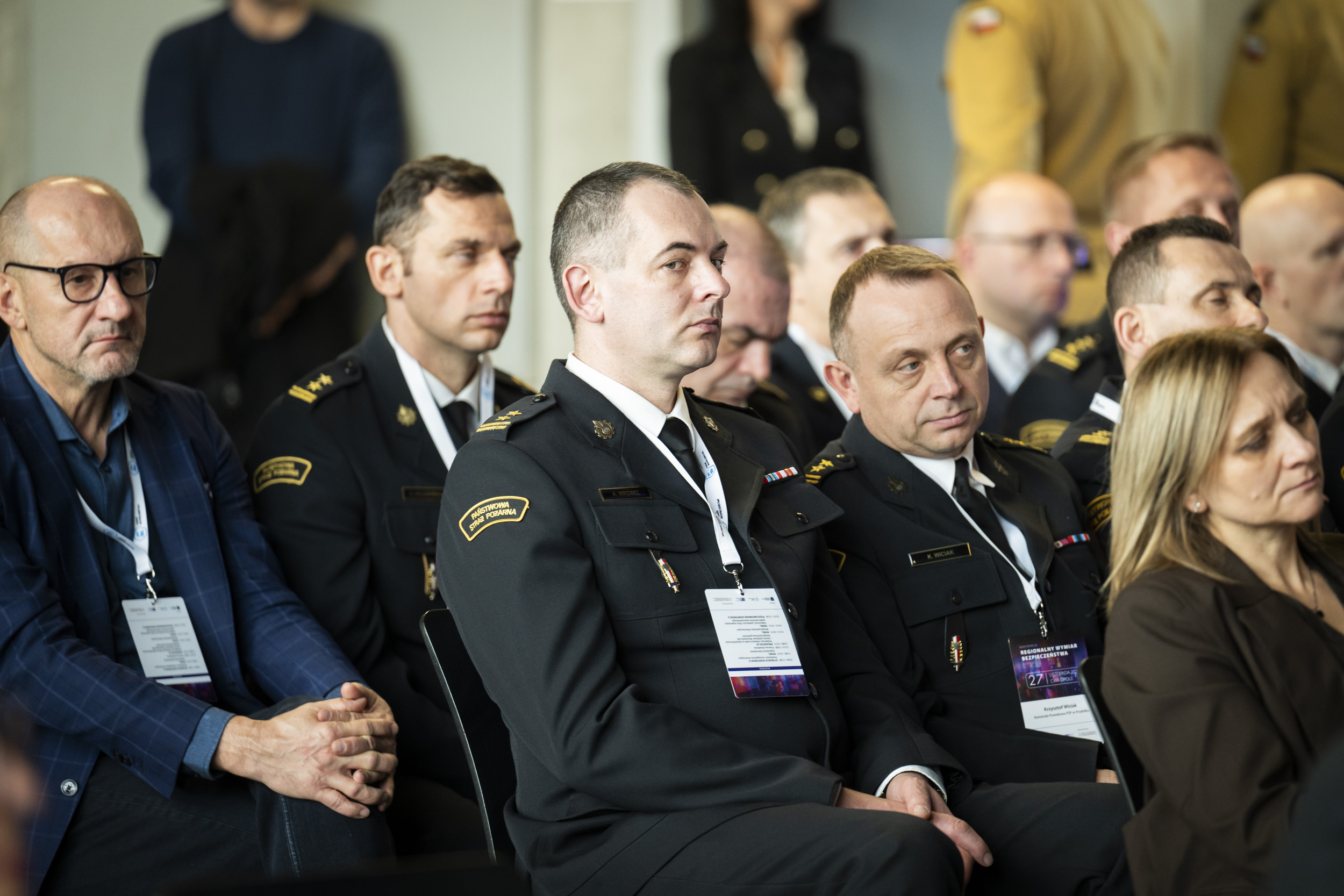
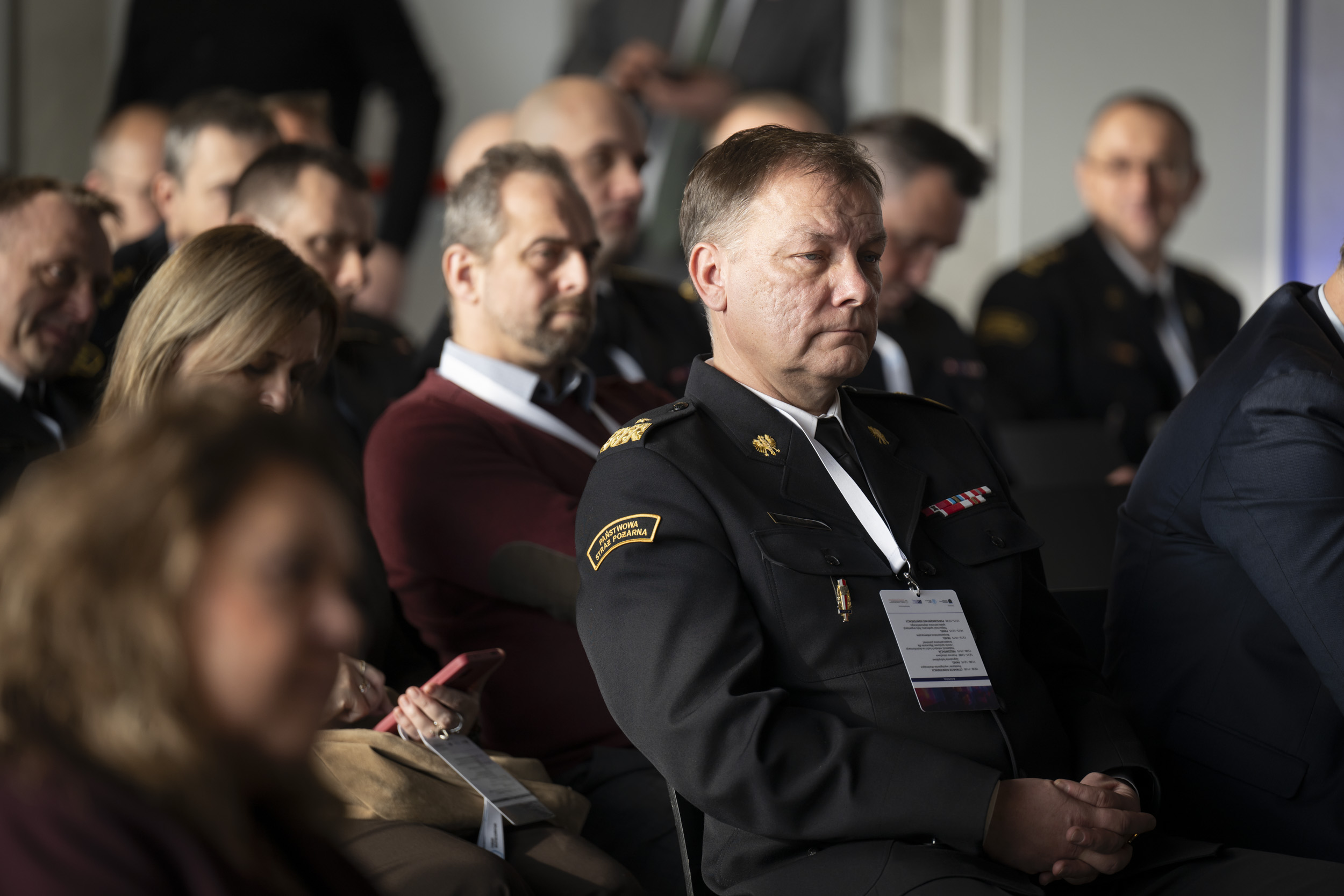
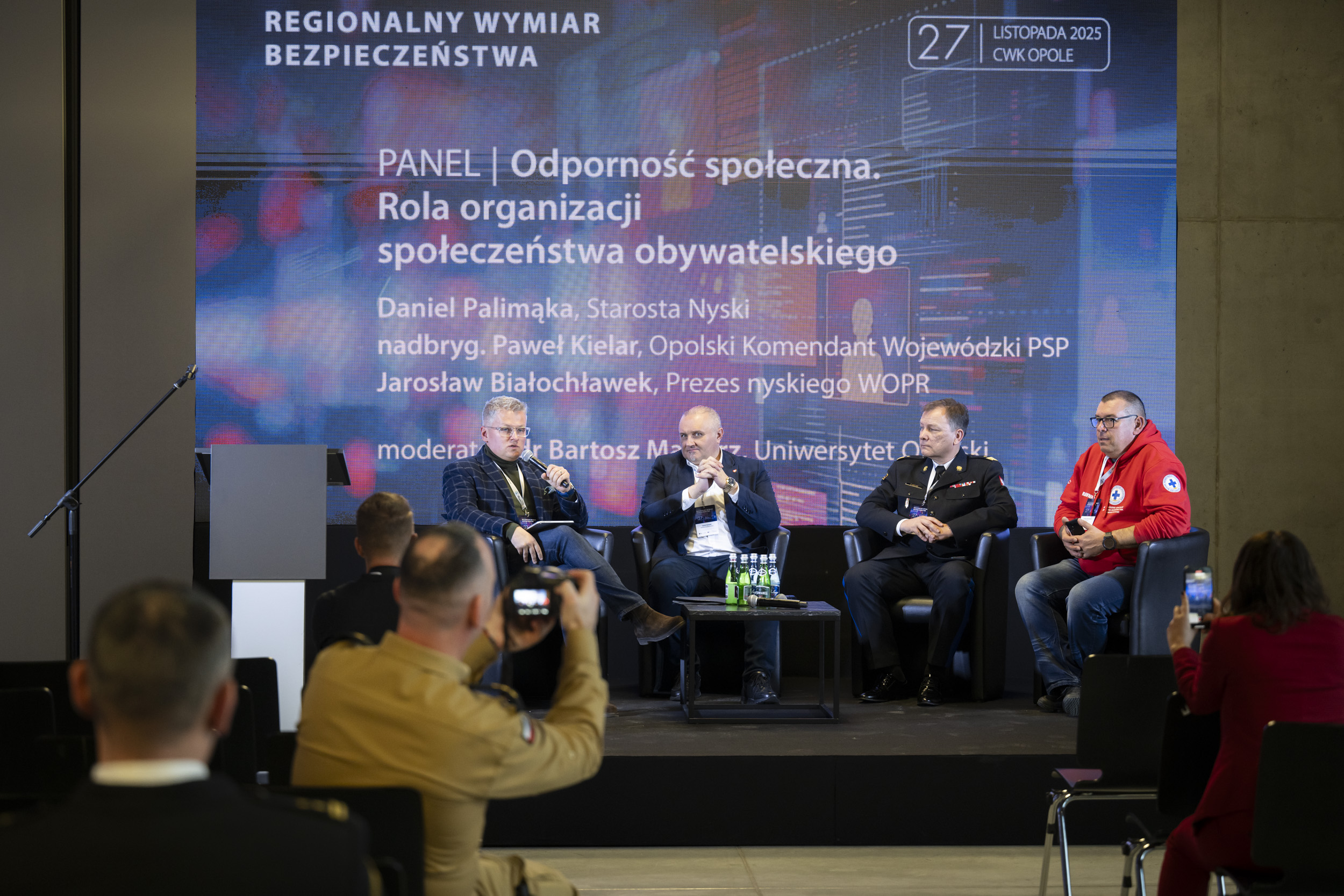
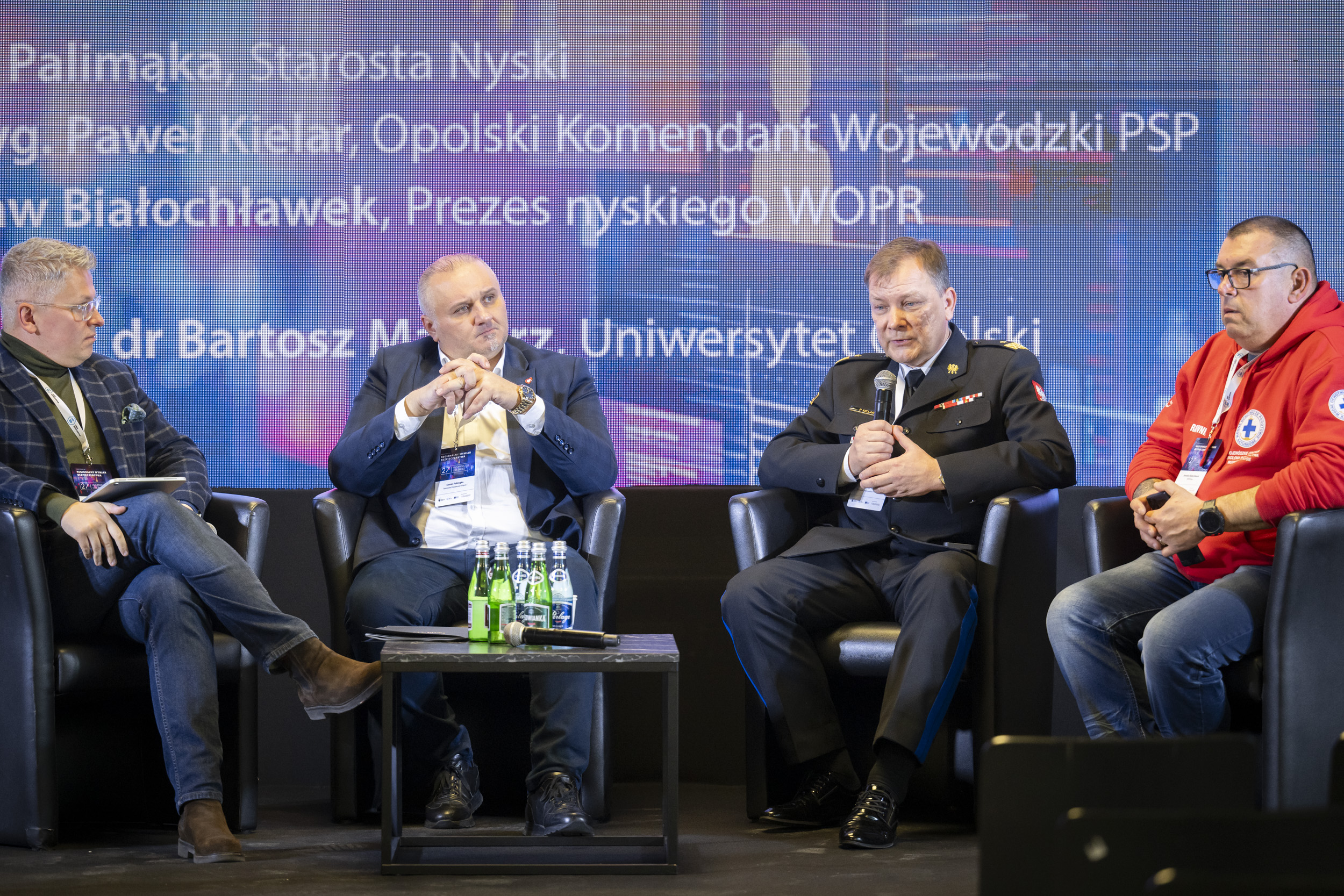
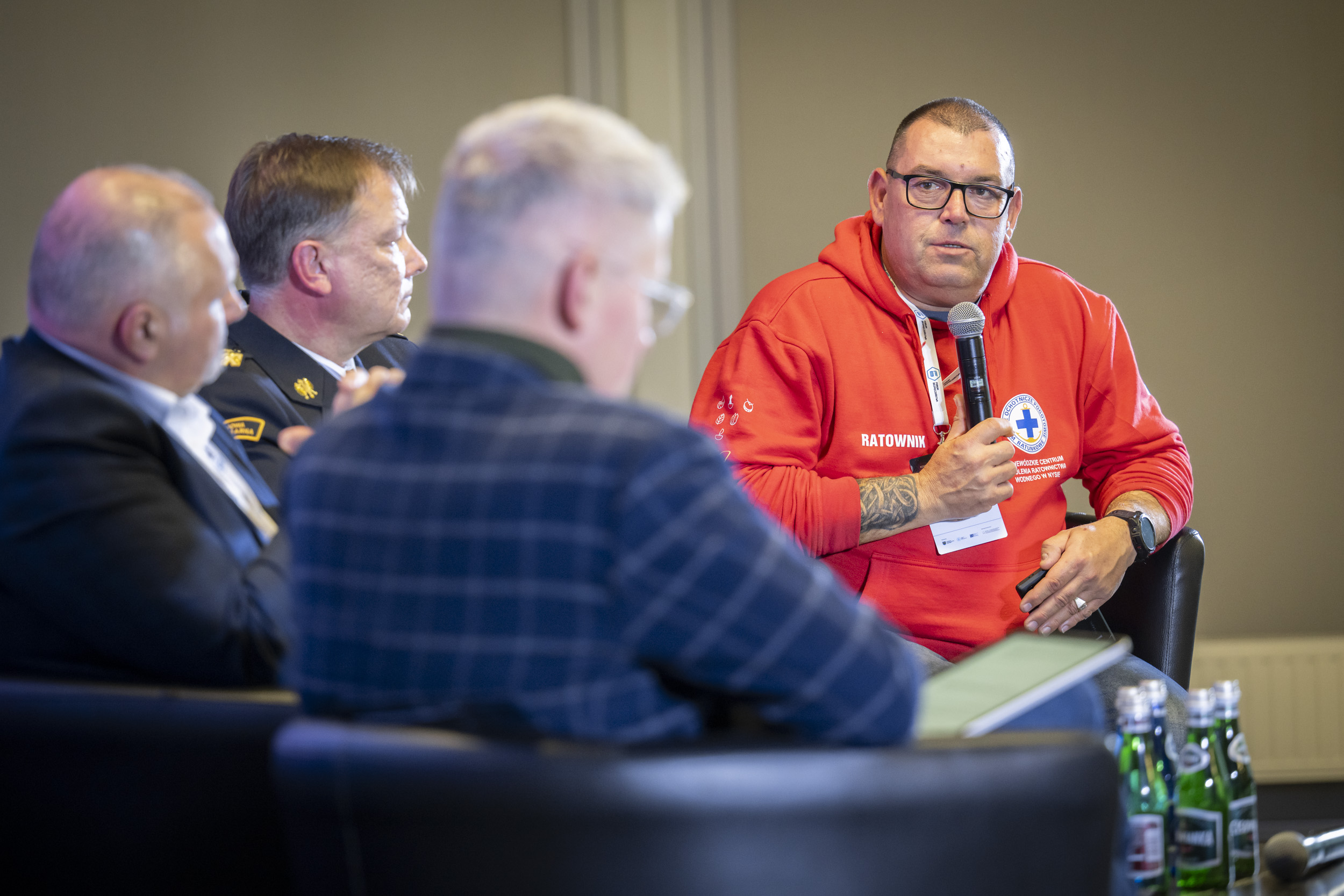
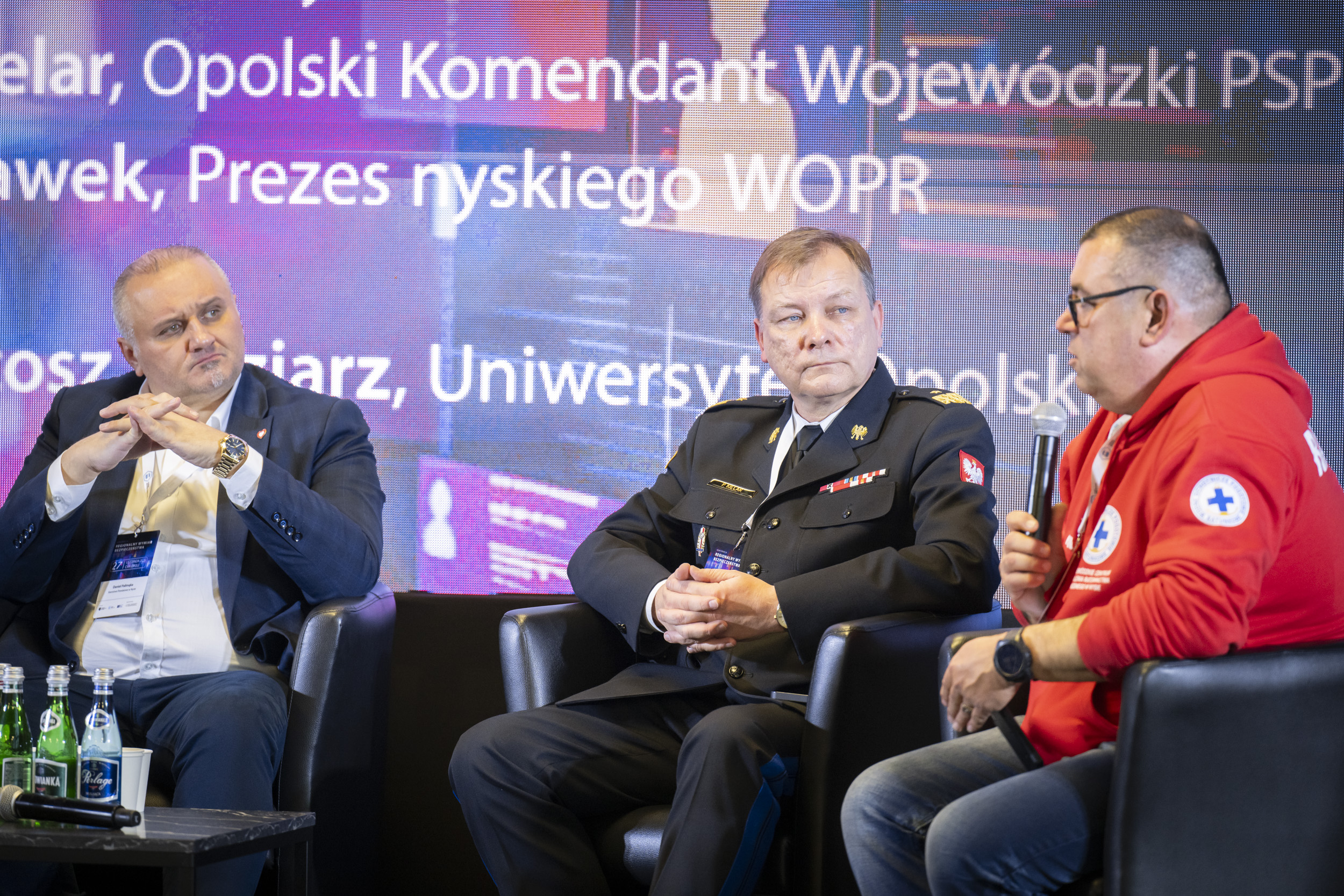
The final substantive item of the conference was the panel “Social Resilience: The Role of Civil Society Organisations,” moderated by Bartosz Maziarz PhD. from the Institute of Political Science and Administration at the University of Opole. The panel featured Daniel Palimąka — Head of Nysa County, Senior Brigadier Paweł Kielar — Opole Voivodeship Commander of the State Fire Service, and Jarosław Białochławek — President of the Nysa Water Volunteer Rescue Service (WOPR). The discussion focused on practical experiences in responding to crises at the local level, the role of fire services, water rescue, local governments, and non-governmental organisations, as well as the importance of social trust, volunteering, and local support networks for the resilience of the entire security system.
The conference concluded with closing remarks by Tomasz Siemoniak, who referred to the conclusions drawn from the individual panels and emphasized the necessity of ongoing cooperation between government, local authorities, public services, civil society organisations, and citizens. He noted that in the face of hybrid threats, disinformation, and the growing complexity of challenges, state security must be built simultaneously “from above” — through strategic decisions — and “from below” — through the daily responsibility and engagement of local communities.