
4TH PART OF THE SECURITY FORUM: DUAL-USE INVESTMENTS

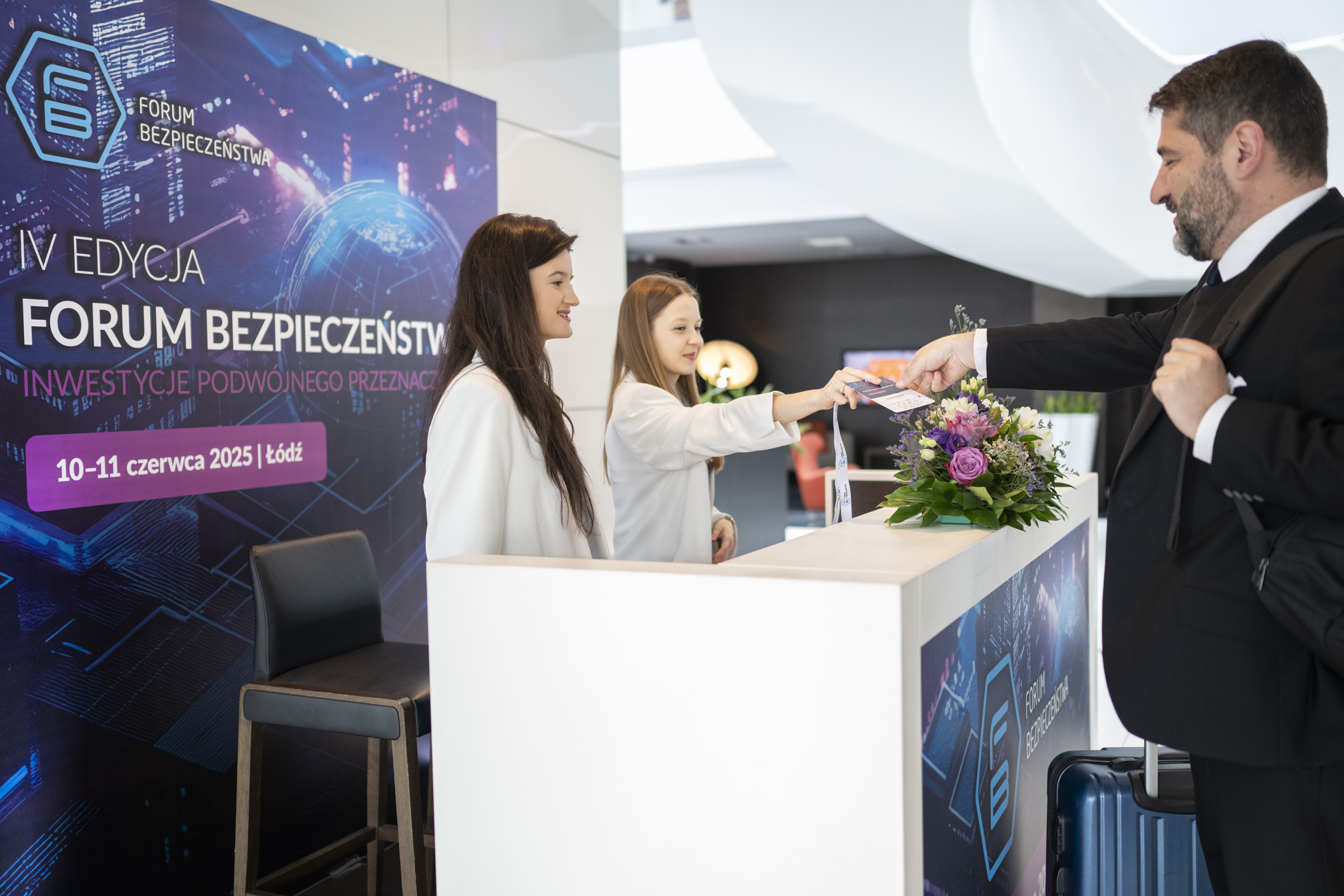
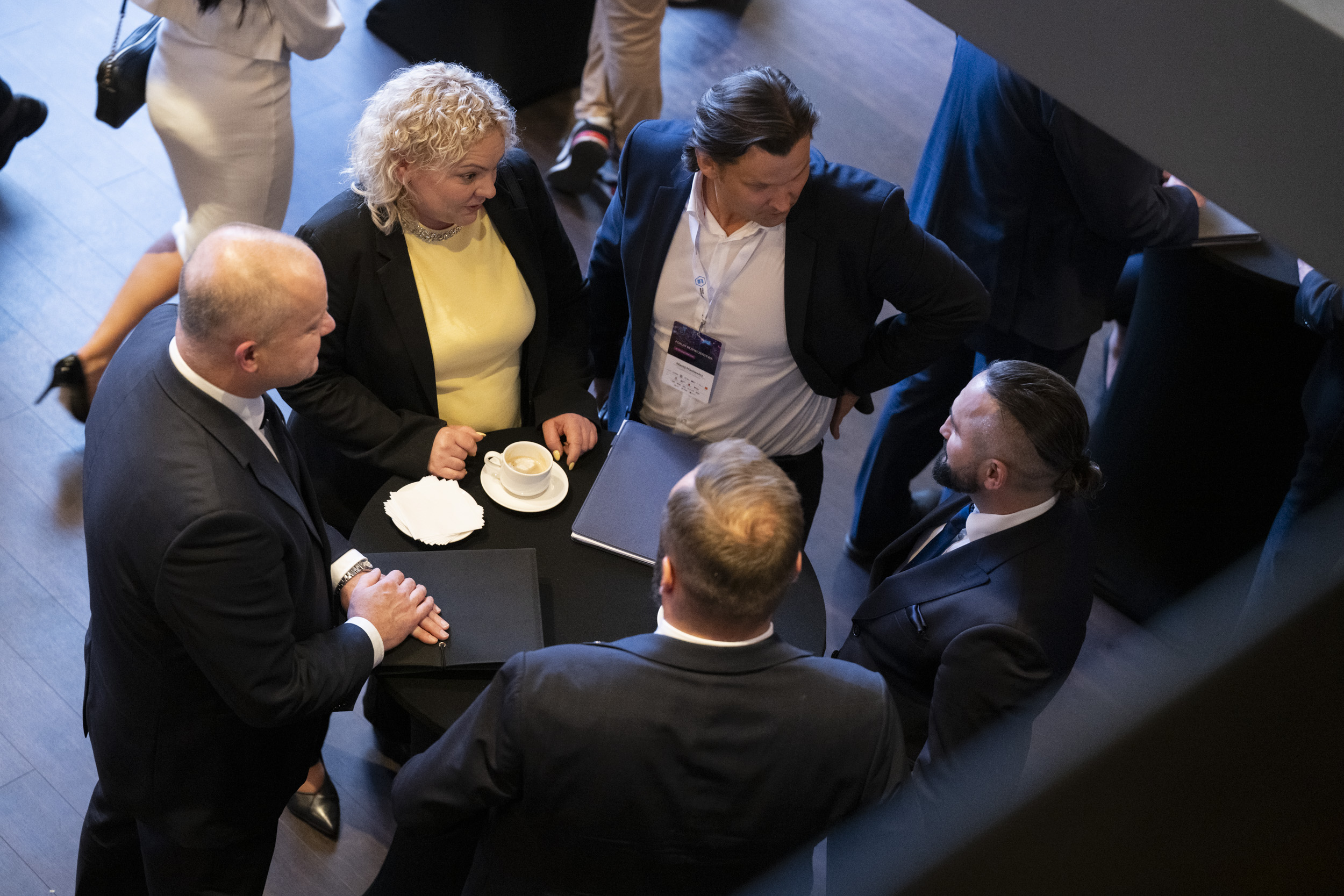
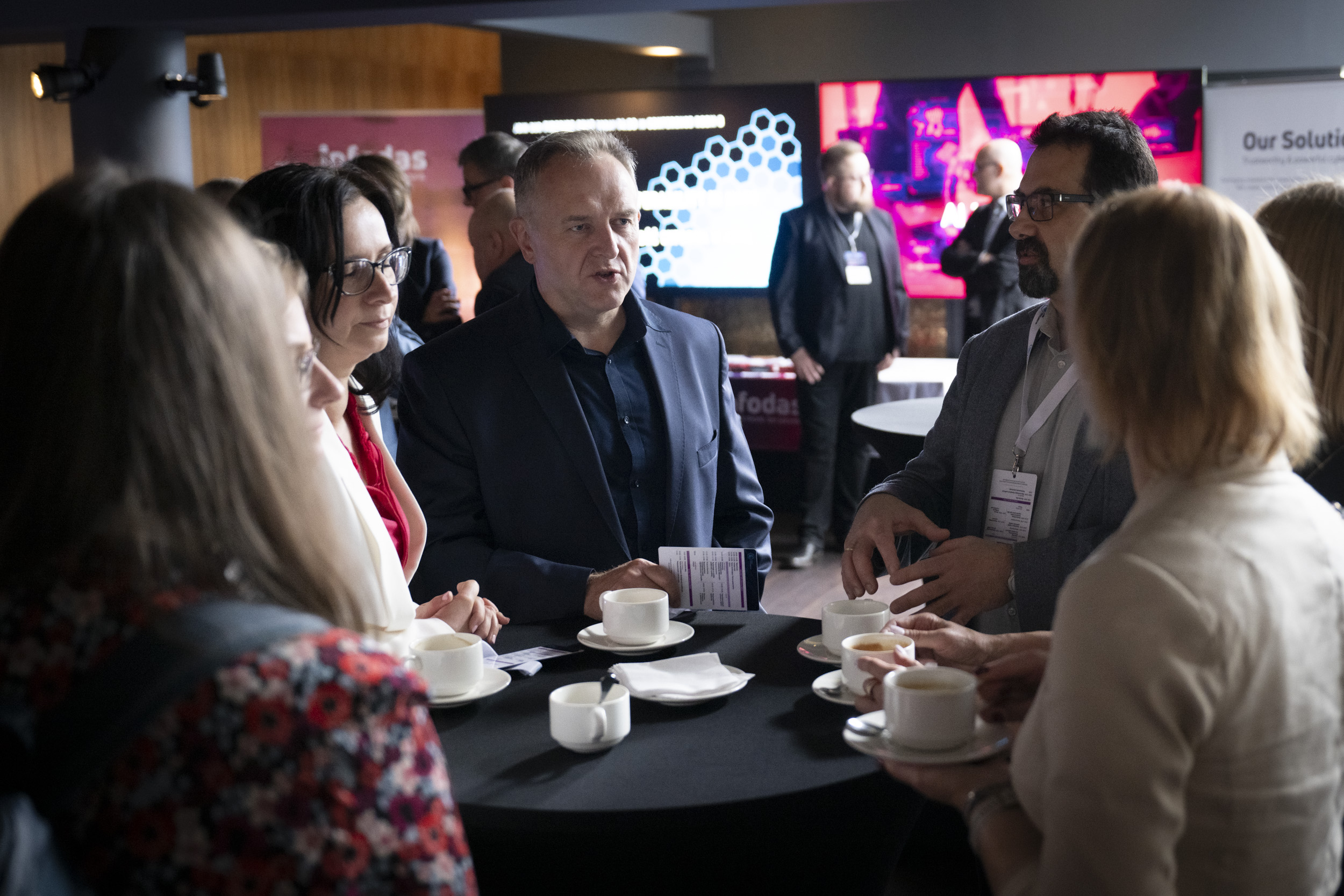
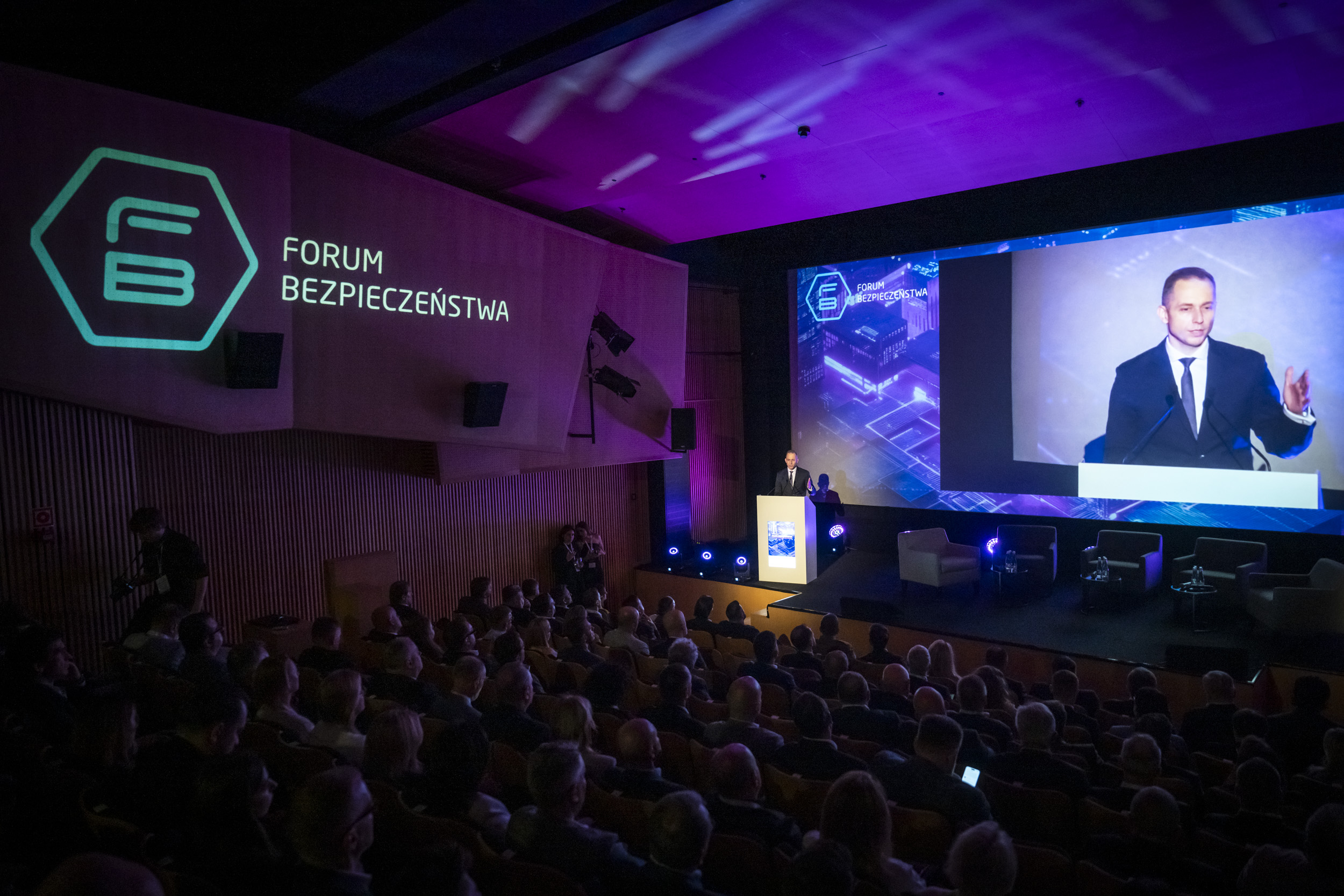
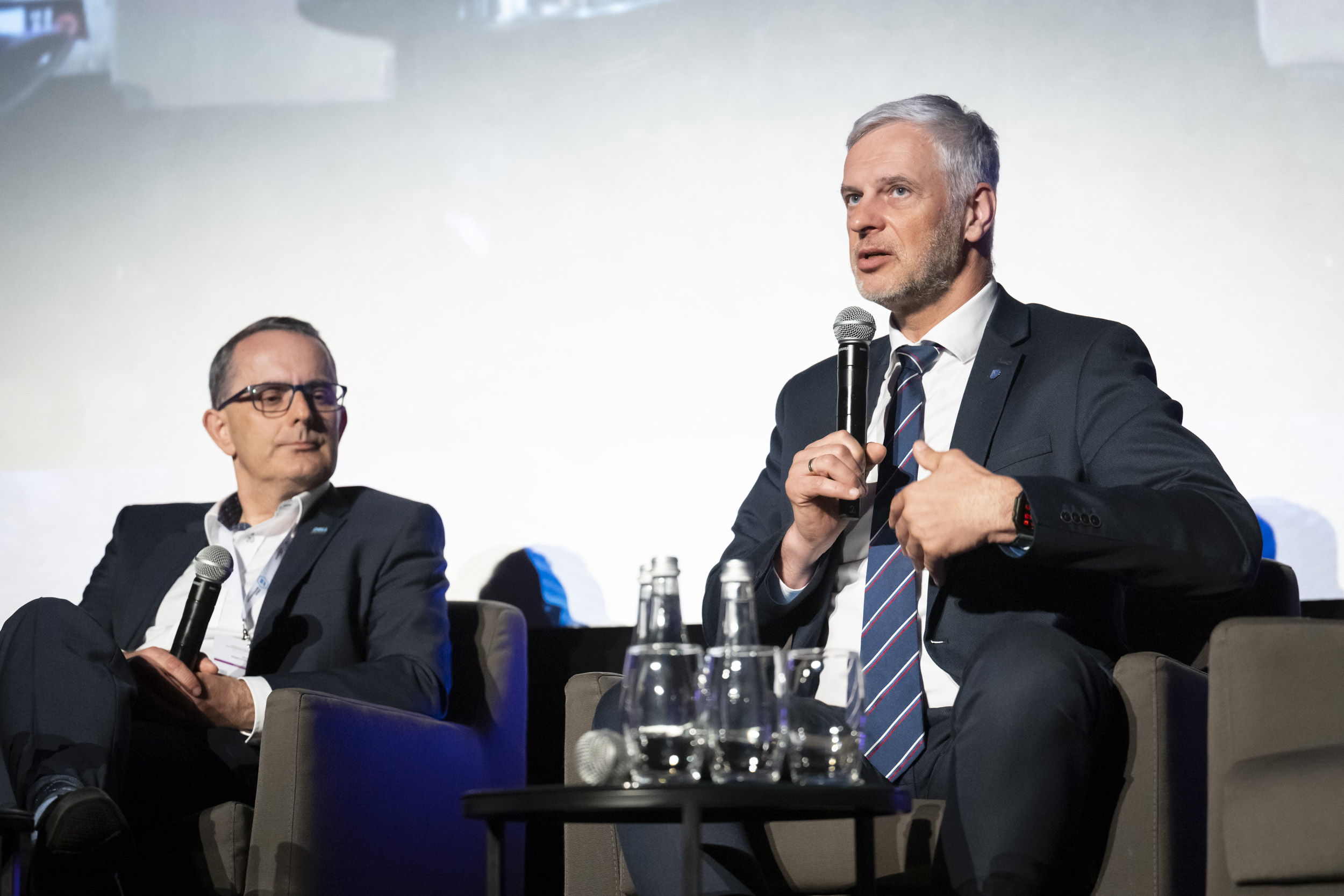
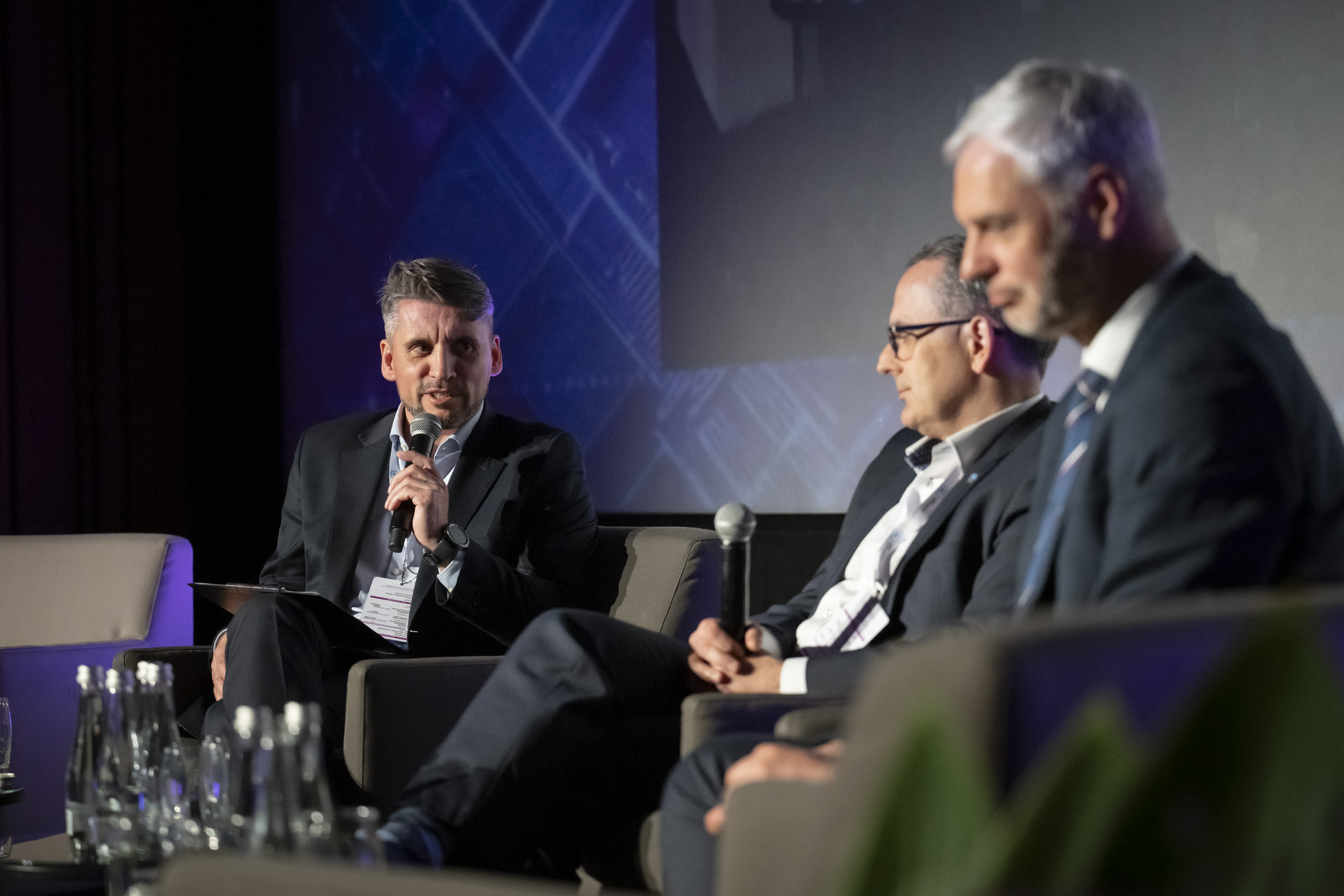
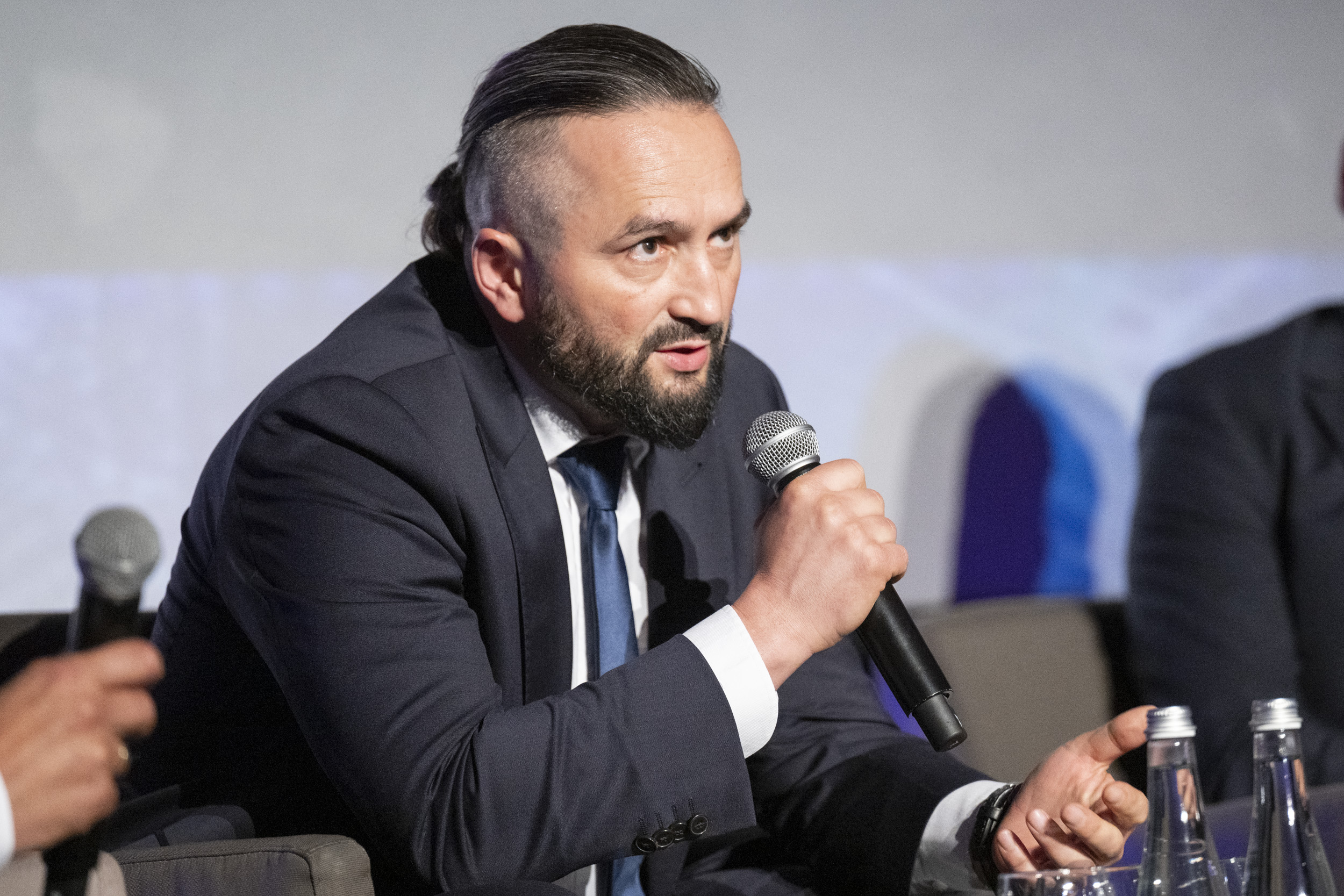
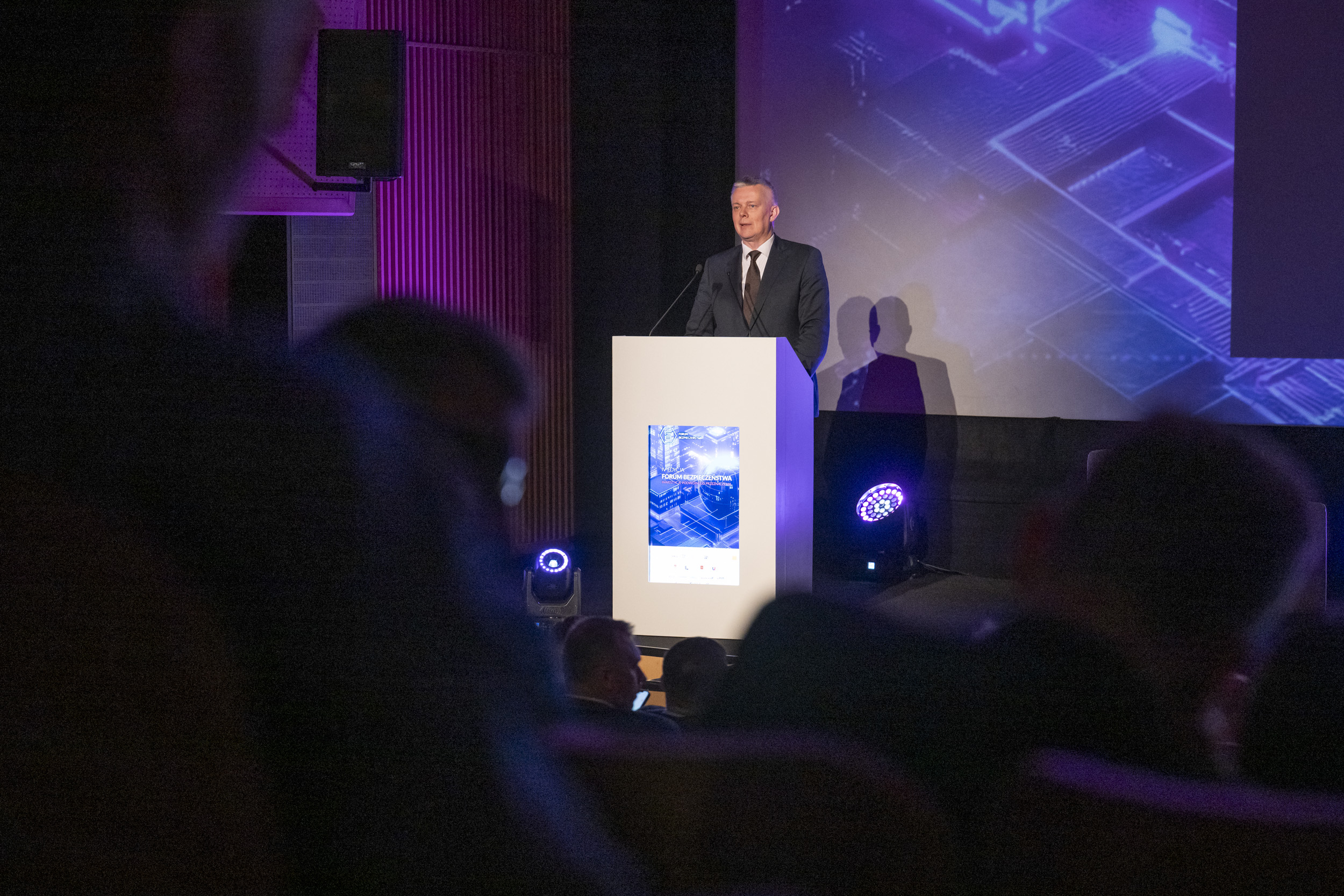
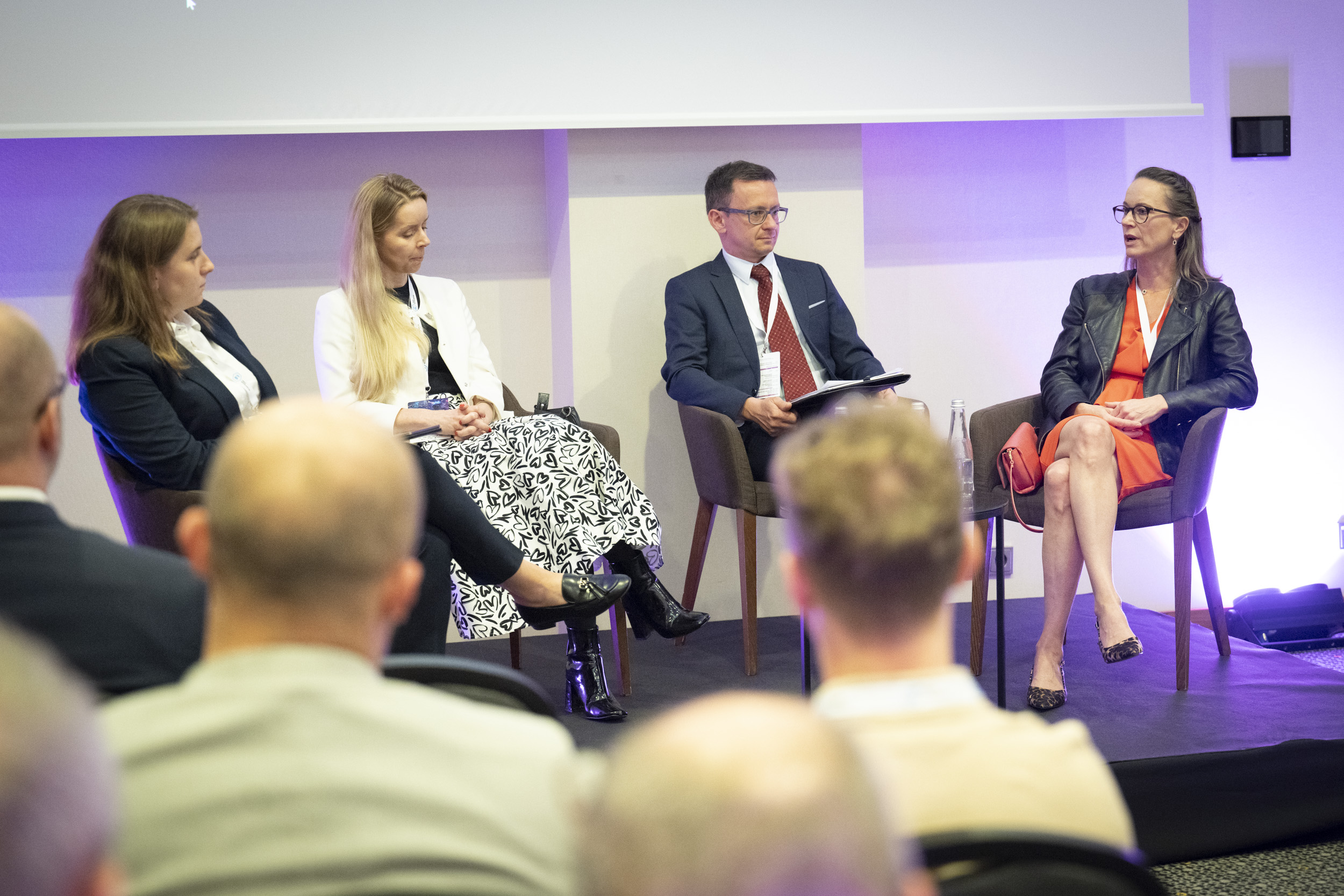
The Forum was attended by over 200 people – representatives of public administration (central government and local government), the private sector, uniformed services, non-governmental organizations, and the scientific community, as well as business leaders, security and new technology experts, special services’ officers, social educators, and lawyers. Two days of intense debate showed that security is not only a matter of politics and law, but also of technology, infrastructure, information – and above all, cooperation.
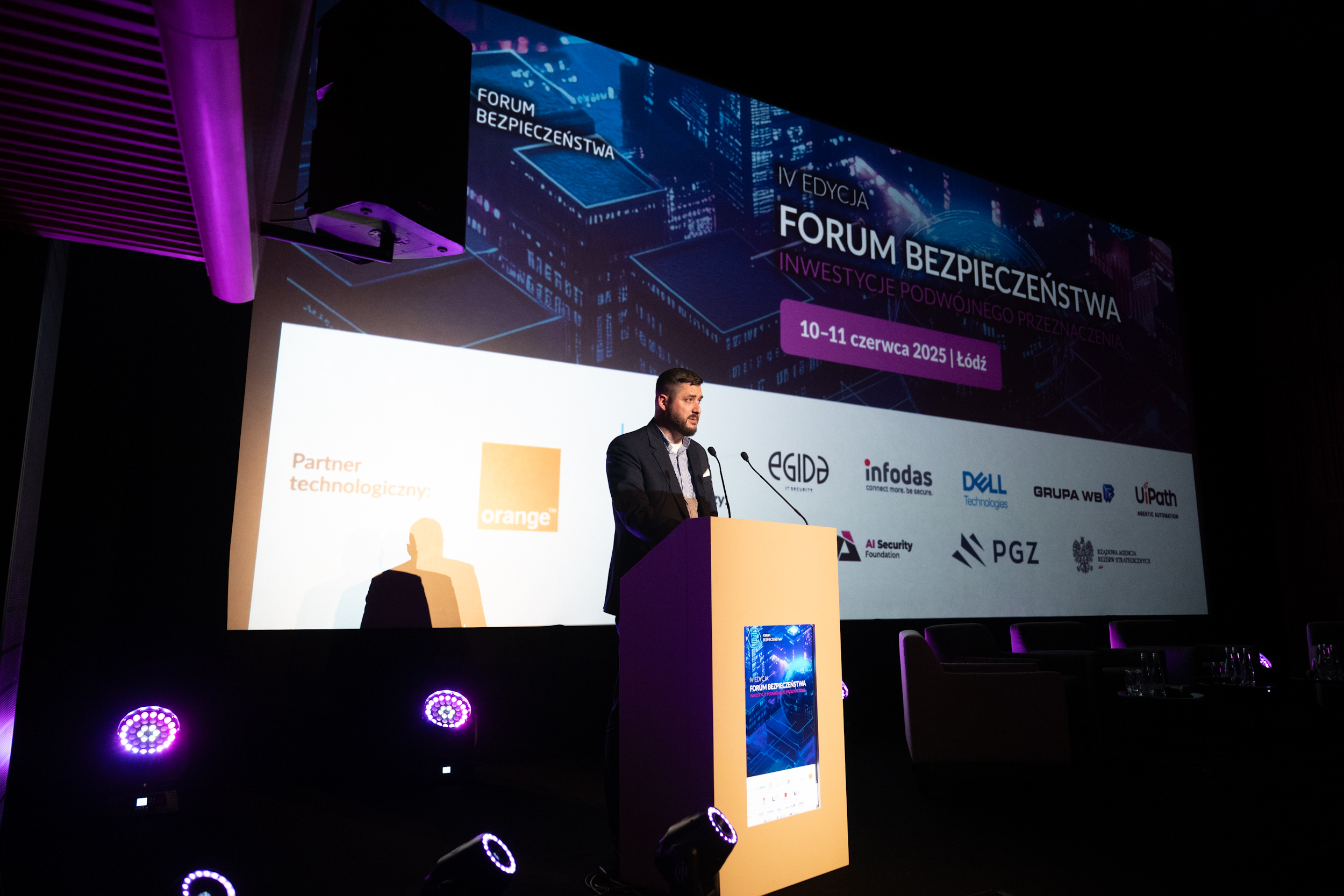
Inauguration and opening of the Forum
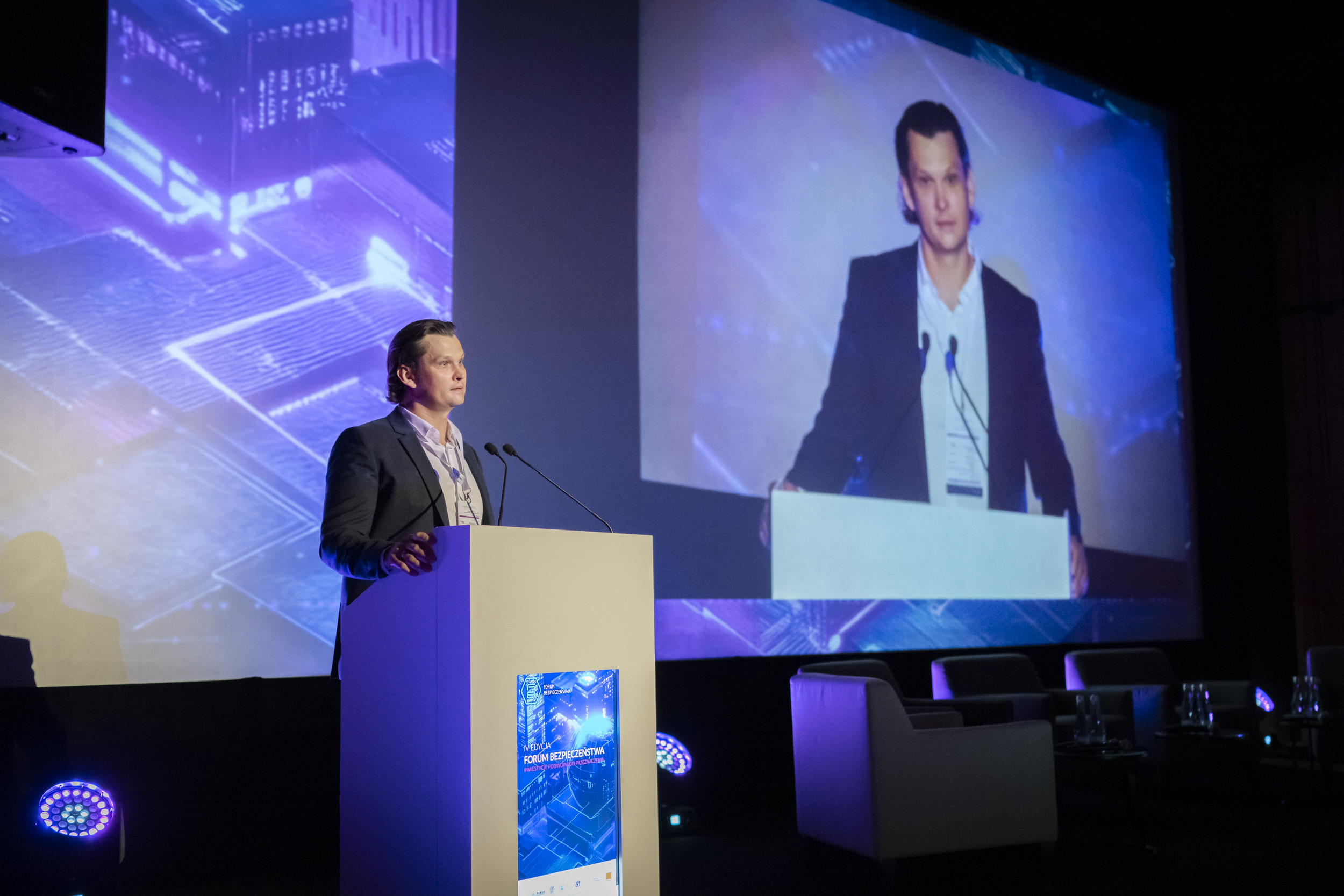
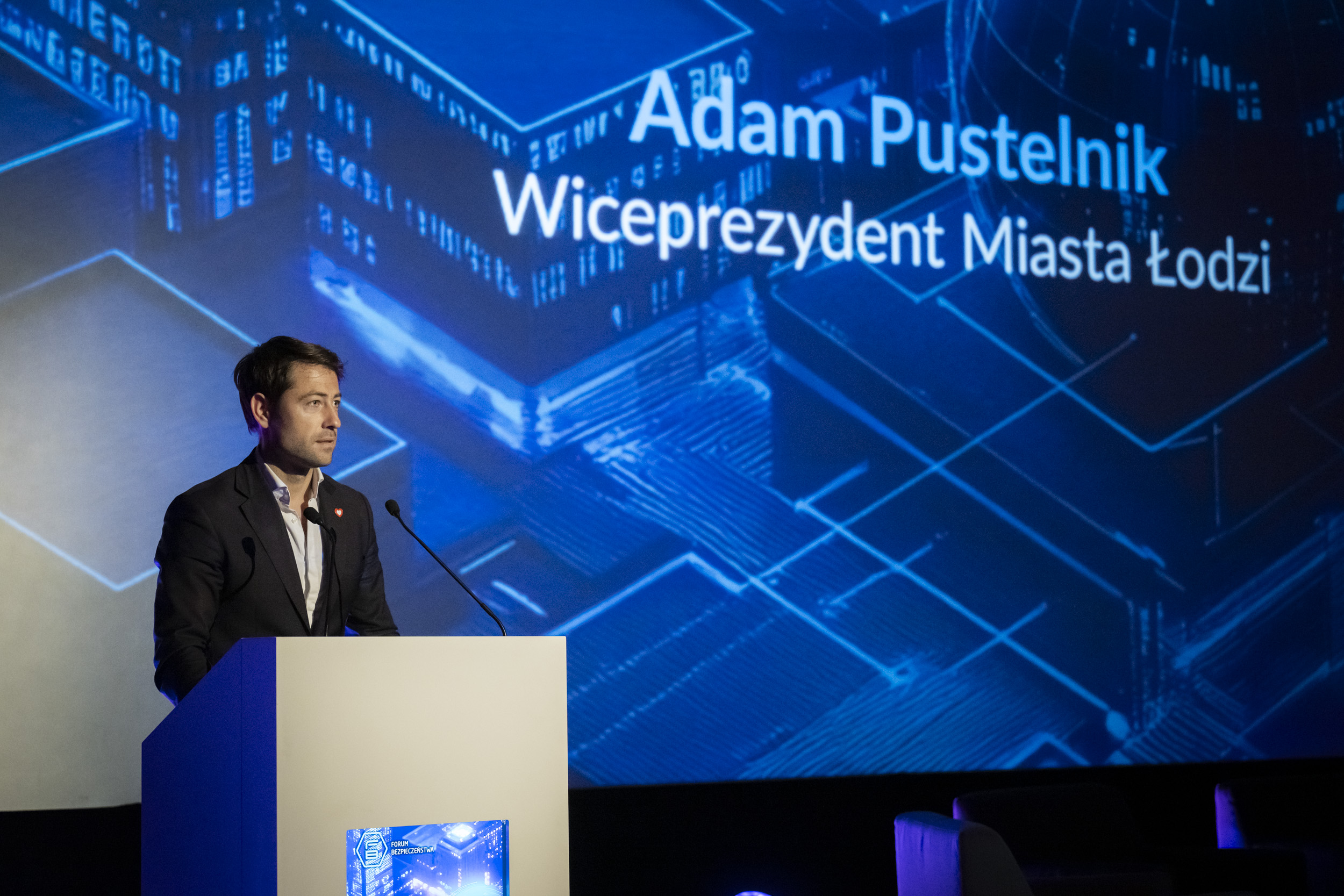
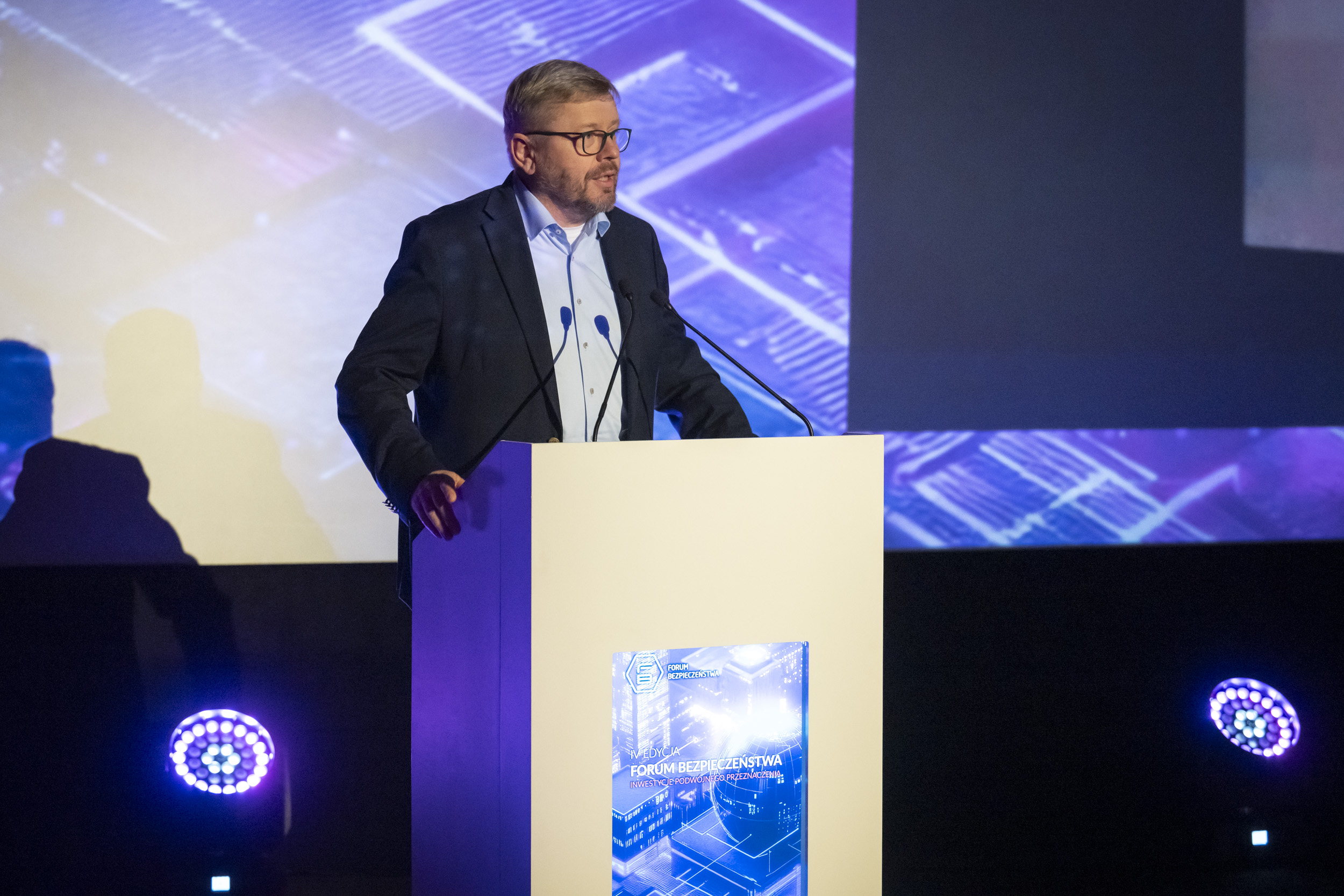
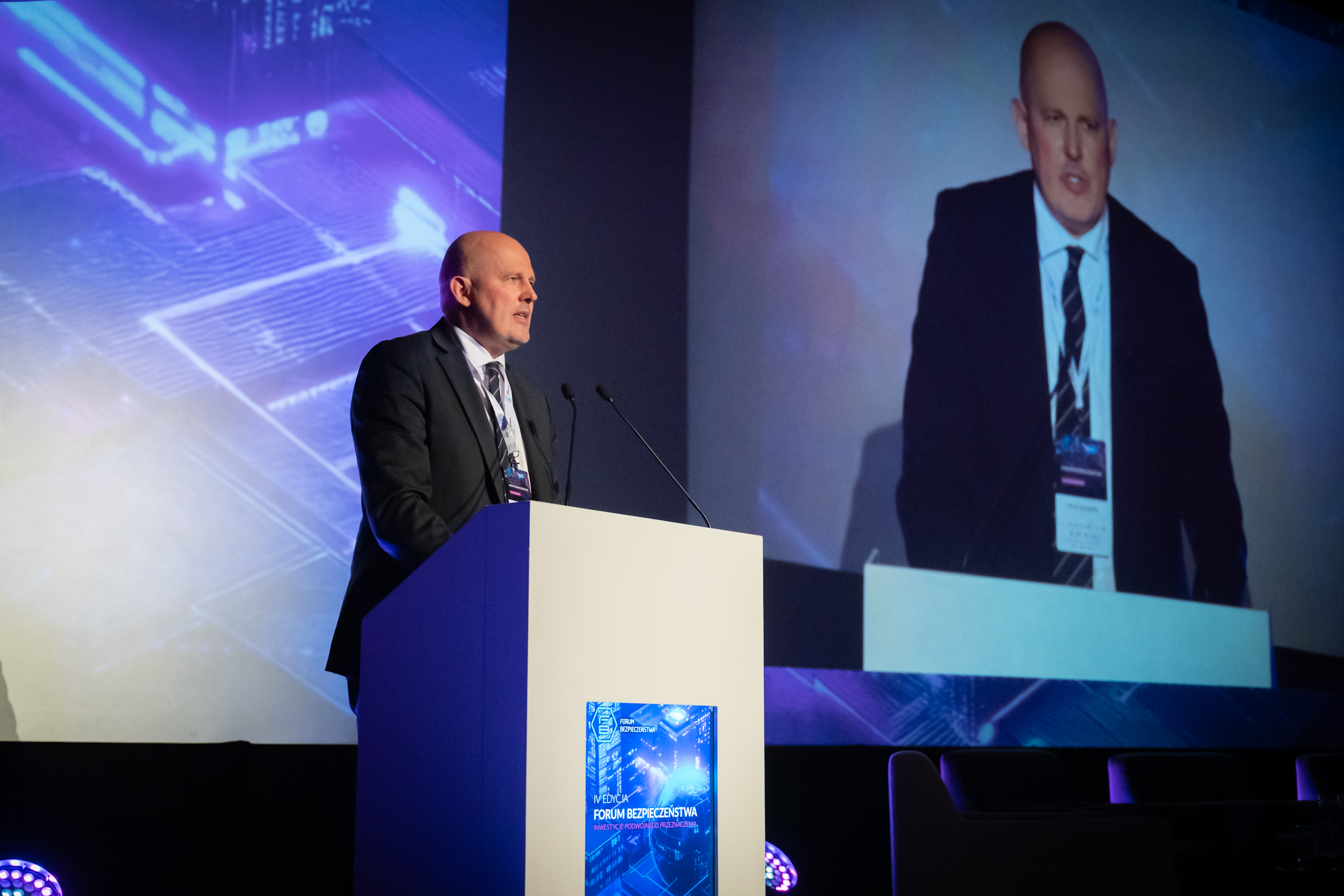
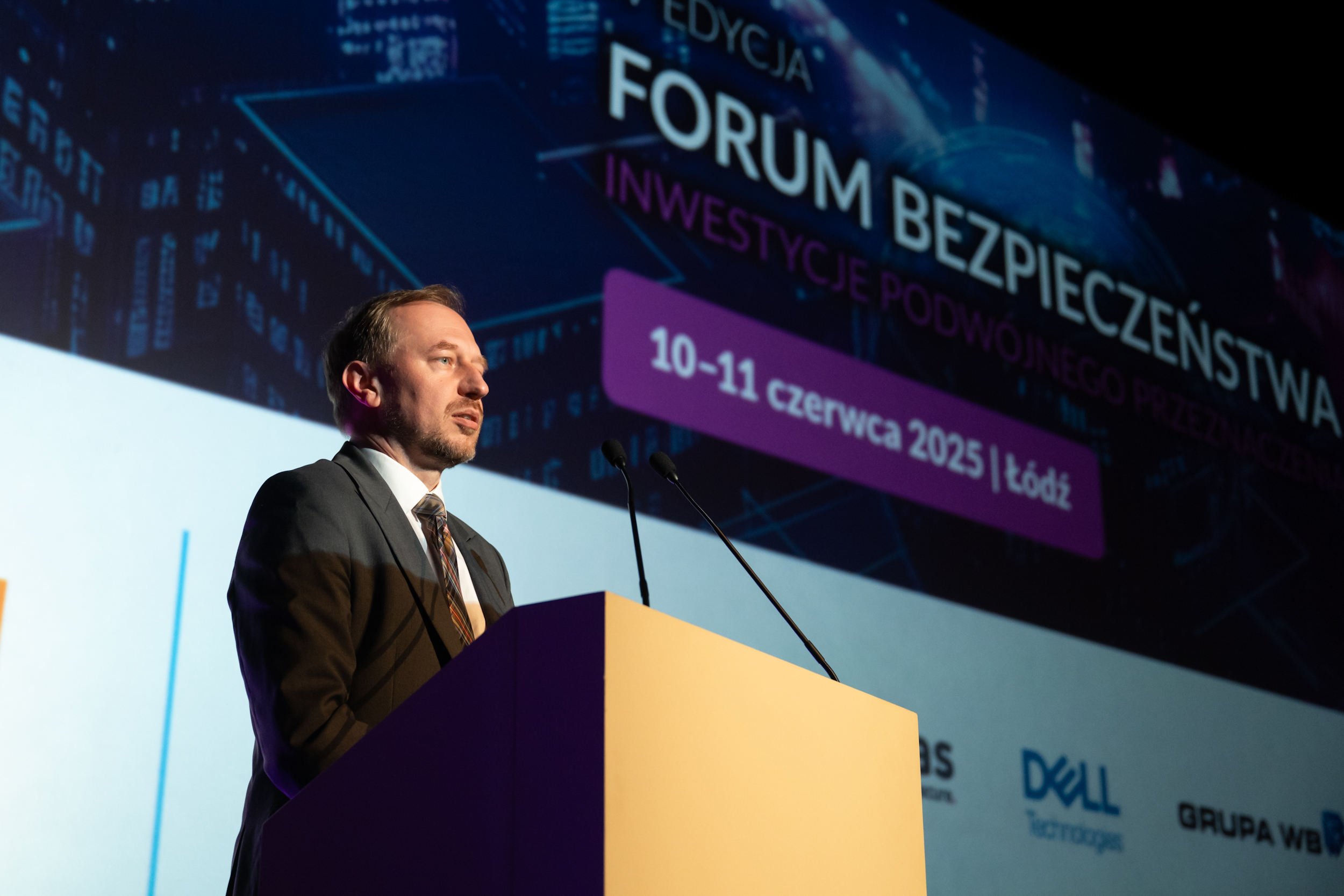
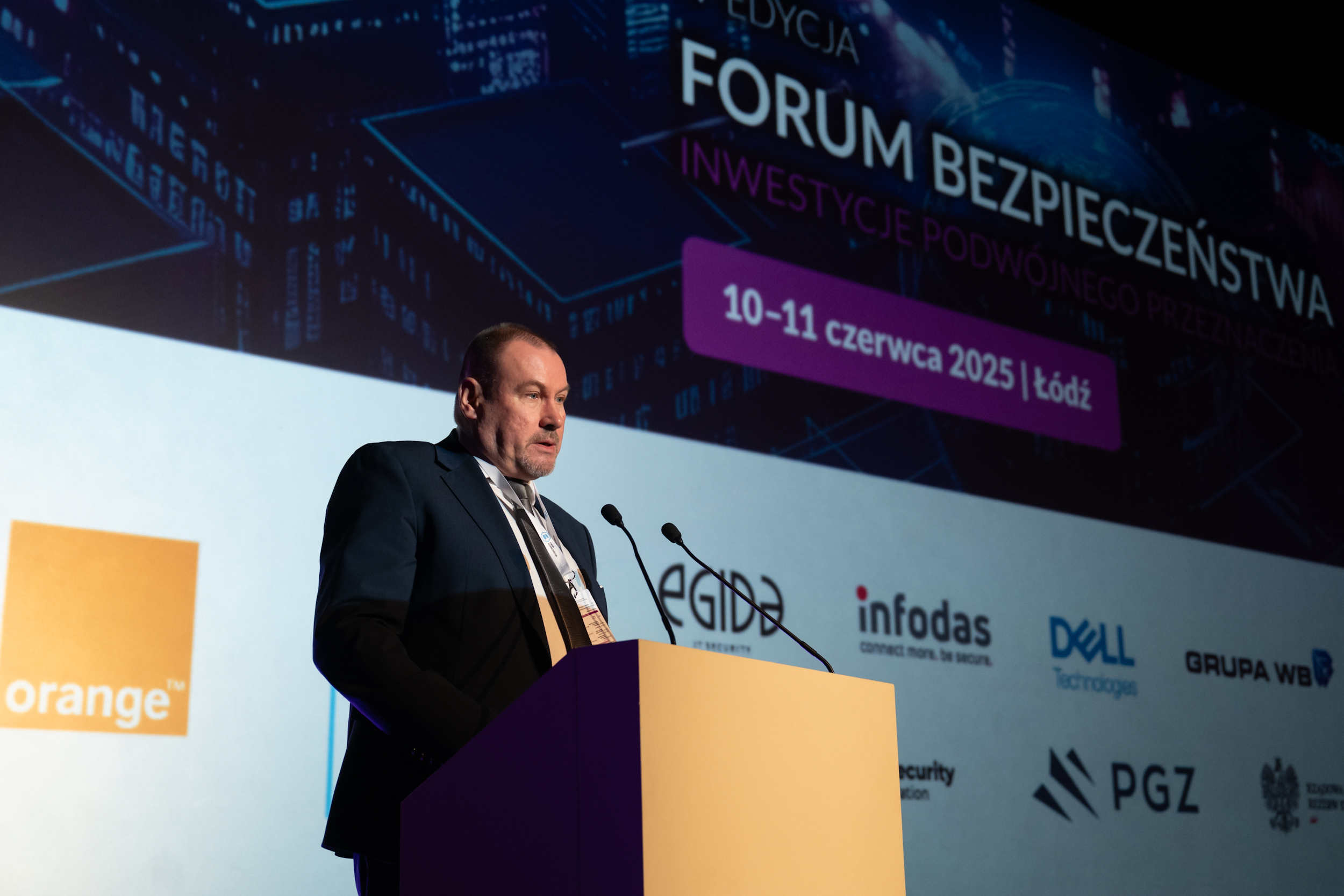
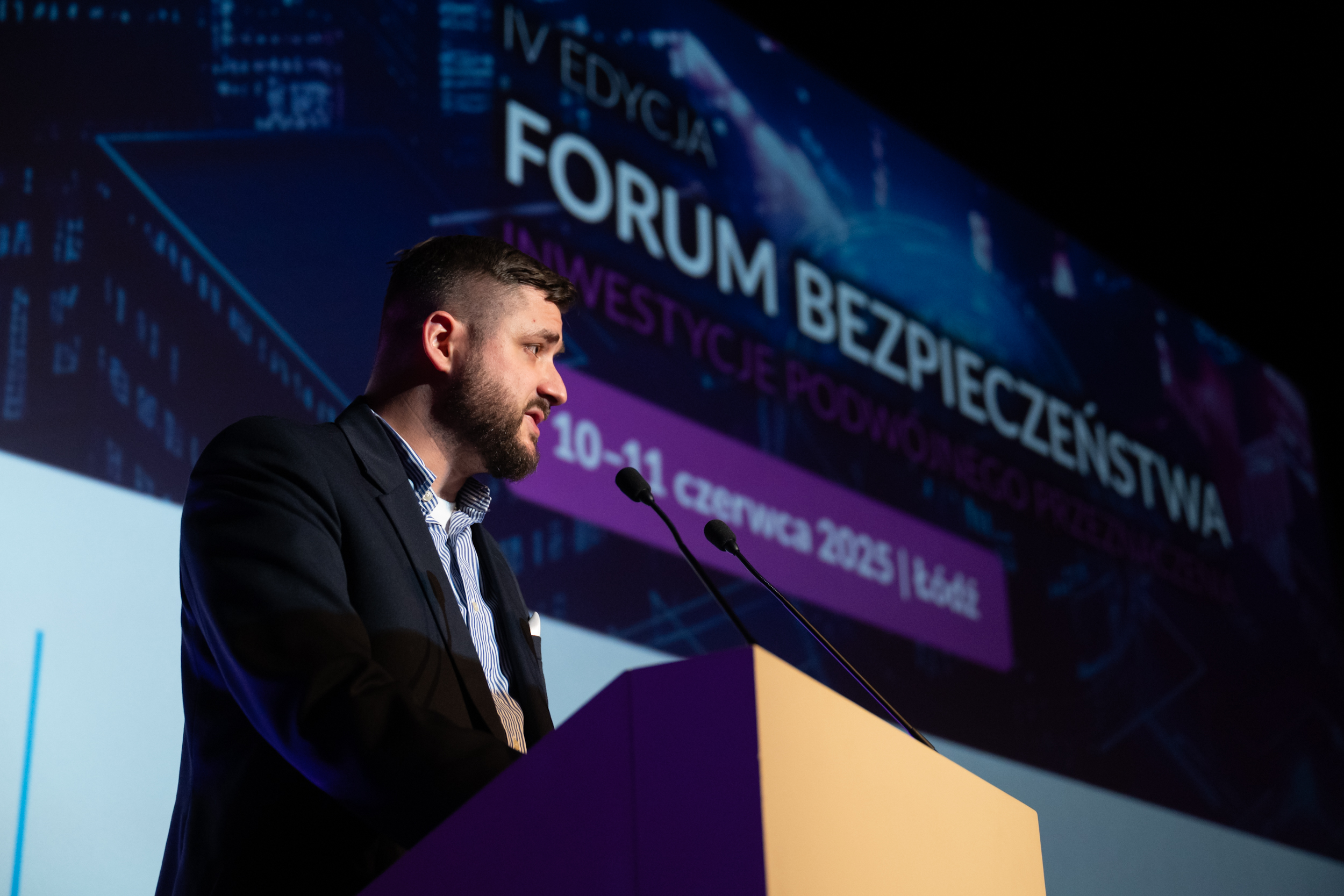
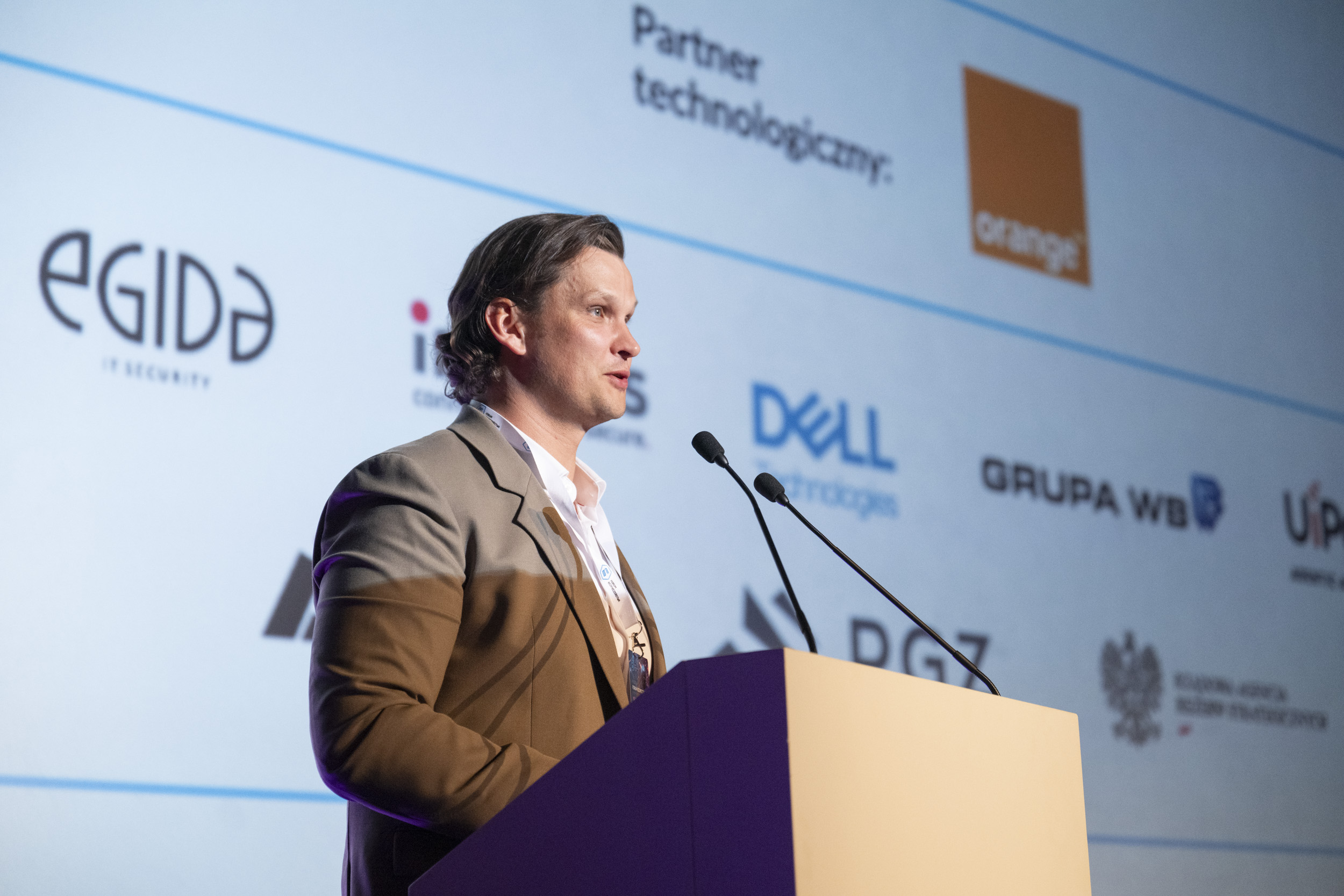
The Forum began with an official inauguration, during which speeches were given by Adam Pustelnik, Deputy Mayor of Łódź, Maciej Mackiewicz, President of the AntiFraud Association Against Economic Abuse, and Mateusz Komorowski, founder and president of the International Institute of Civil Society.
“It is an honor for me to welcome you to the fourth part of the Security Forum – an event that is gaining in importance every year, becoming one of the key venues for debate on security in Poland and Europe. This year’s theme – dual-use investments – perfectly reflects the challenges and opportunities we currently face. In the face of dynamic geopolitical and technological changes, it is necessary to seek solutions that combine civil and defense objectives, while ensuring economic development and the safety of citizens," said Mateusz Komorowski. He also emphasized the importance of civil society as the foundation of resilience and thanked the co-organizers and partners of the Forum for their cooperation and commitment.
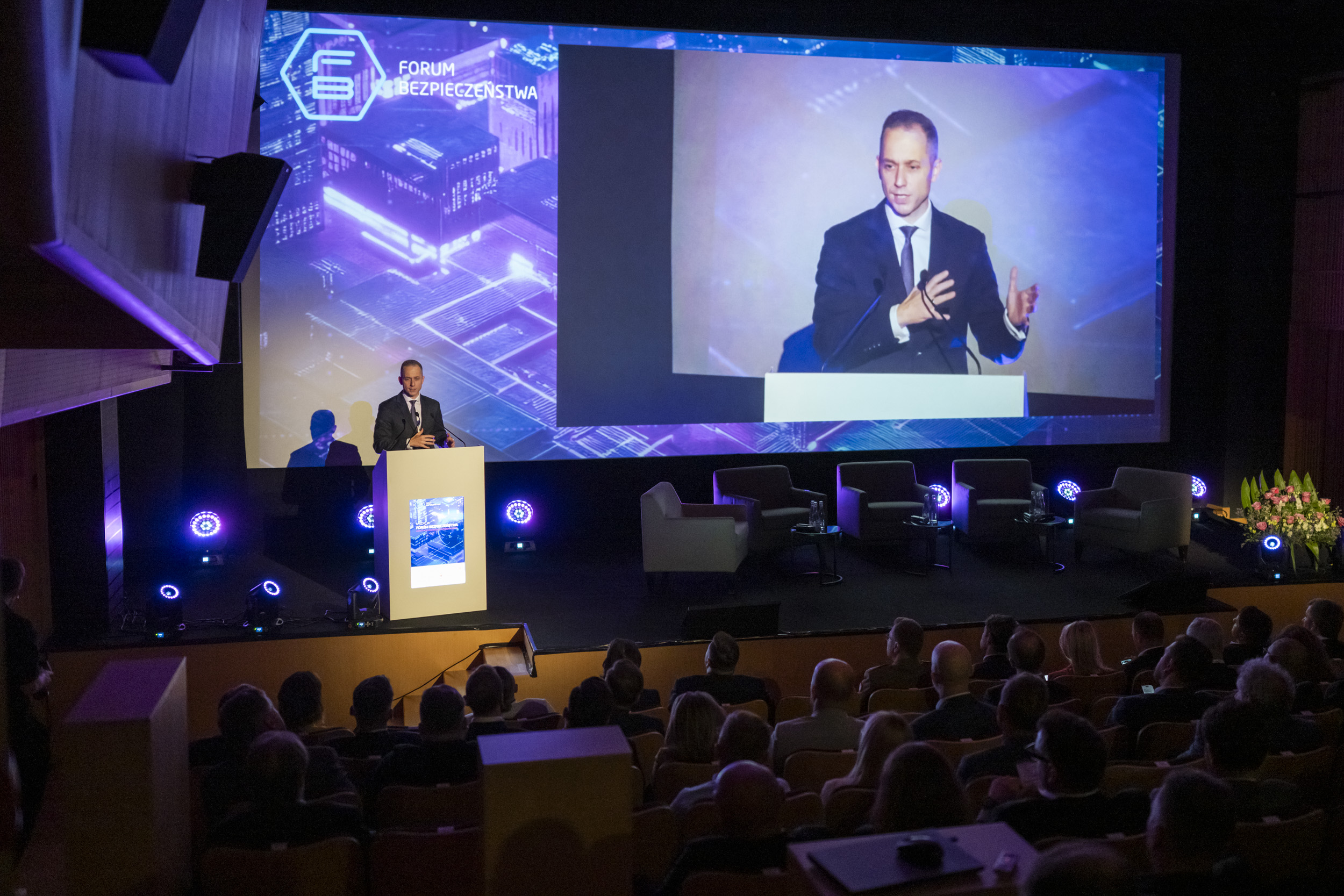
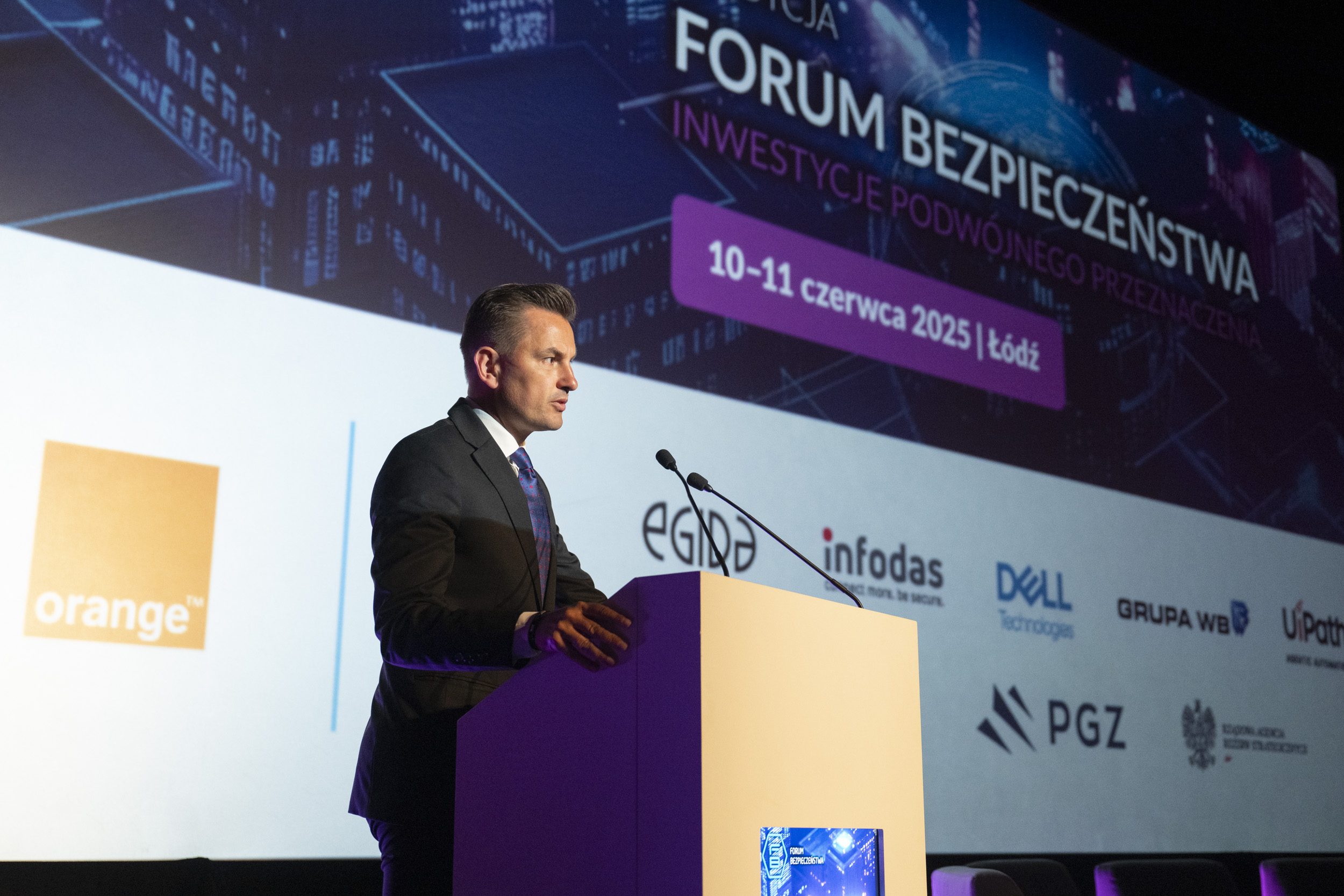
Immediately after the inauguration, participants listened to two opening speeches, given by: General Radosław Kujawa, Secretary of State in the Prime Minister's Office, and Cezary Tomczyk, Secretary of State in the Ministry of National Defense. Both speakers emphasized the need for civil-military synergy and a comprehensive approach to security.
Minister Tomczyk stressed that “in the event of a potential aggression, it is always the entire state that defends itself, not its individual components,” thus pointing to the importance of cohesive action by all institutions and citizens. He also reminded the audience that the Polish Army currently enjoys a record level of public trust, reaching 90%. In his speech, he pointed to specific examples of dual-purpose investment projects, such as the “Eastern Shield” program, covering road, bridge, and logistics infrastructure worth approximately 5 billion PLN. These investments are intended to serve both local communities and the state security system. He also announced the acquisition of modern technologies, including the American ultimate building machine, which enables the rapid construction of shelters and warehouses for the protection of the civilian population.
The economy as a security shield
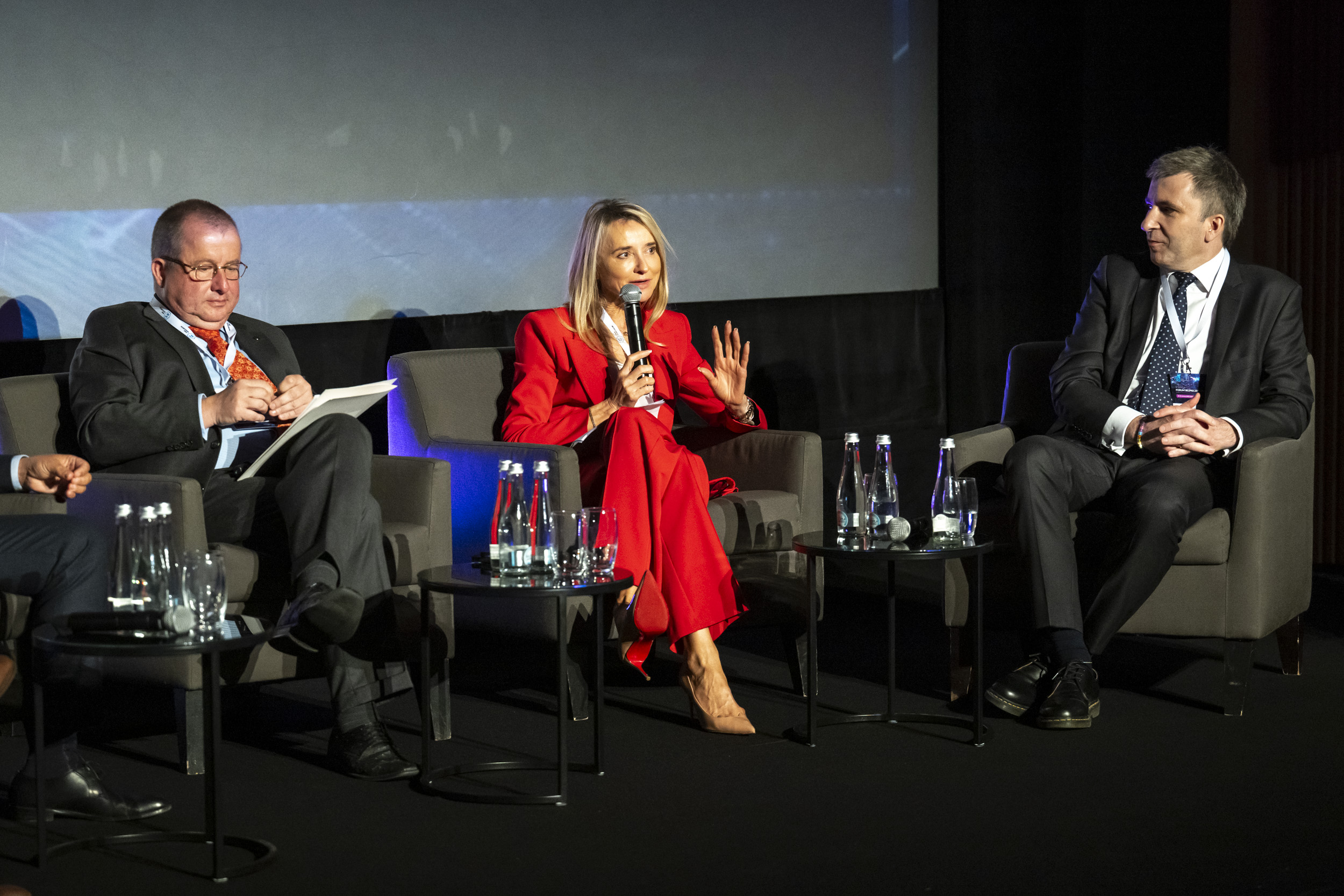
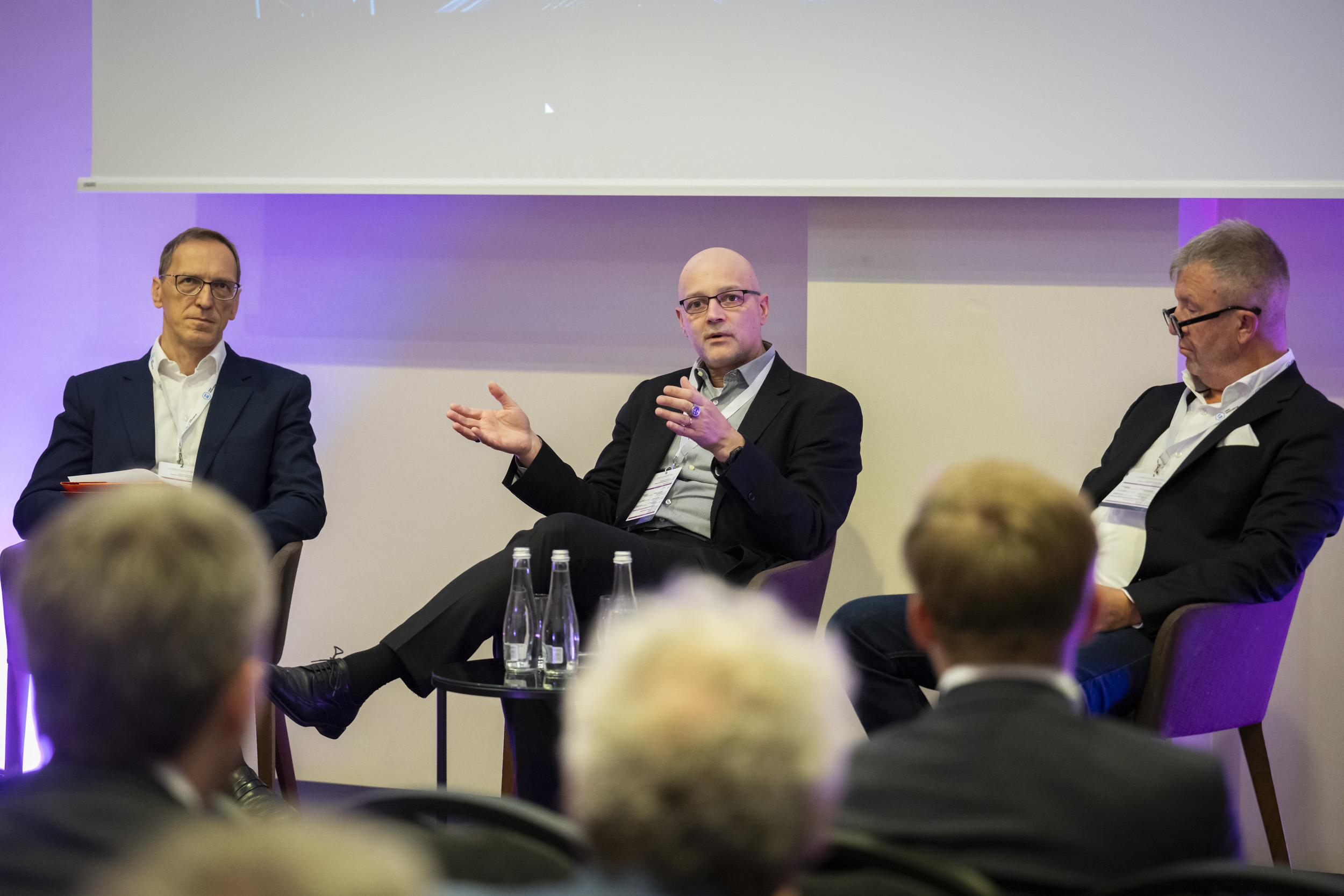
After the inauguration, a session entitled “The Economy Shield” was held, devoted to the role of investment as a tool for strengthening the resilience of the state. The introductory speech was given by Maciej Witucki, president of the Lewiatan Confederation, who then also led a panel discussion with the participation of: Adam Jelonek (Polish Armaments Group), Andrzej Rzońca (Warsaw School of Economics), Wojciech Balczun (President of the Industrial Development Agency) and Joanna Makowiecka-Gatza (Chairwoman of the Employers' Council of the Republic of Poland). The panelists emphasized the need to integrate industrial policy with national security objectives and the necessity of strategic long-term investment planning. It was pointed out that the economy—especially in the context of strategic sectors such as the defense industry—should be seen not only as an engine of growth, but also as an element of the national security system.
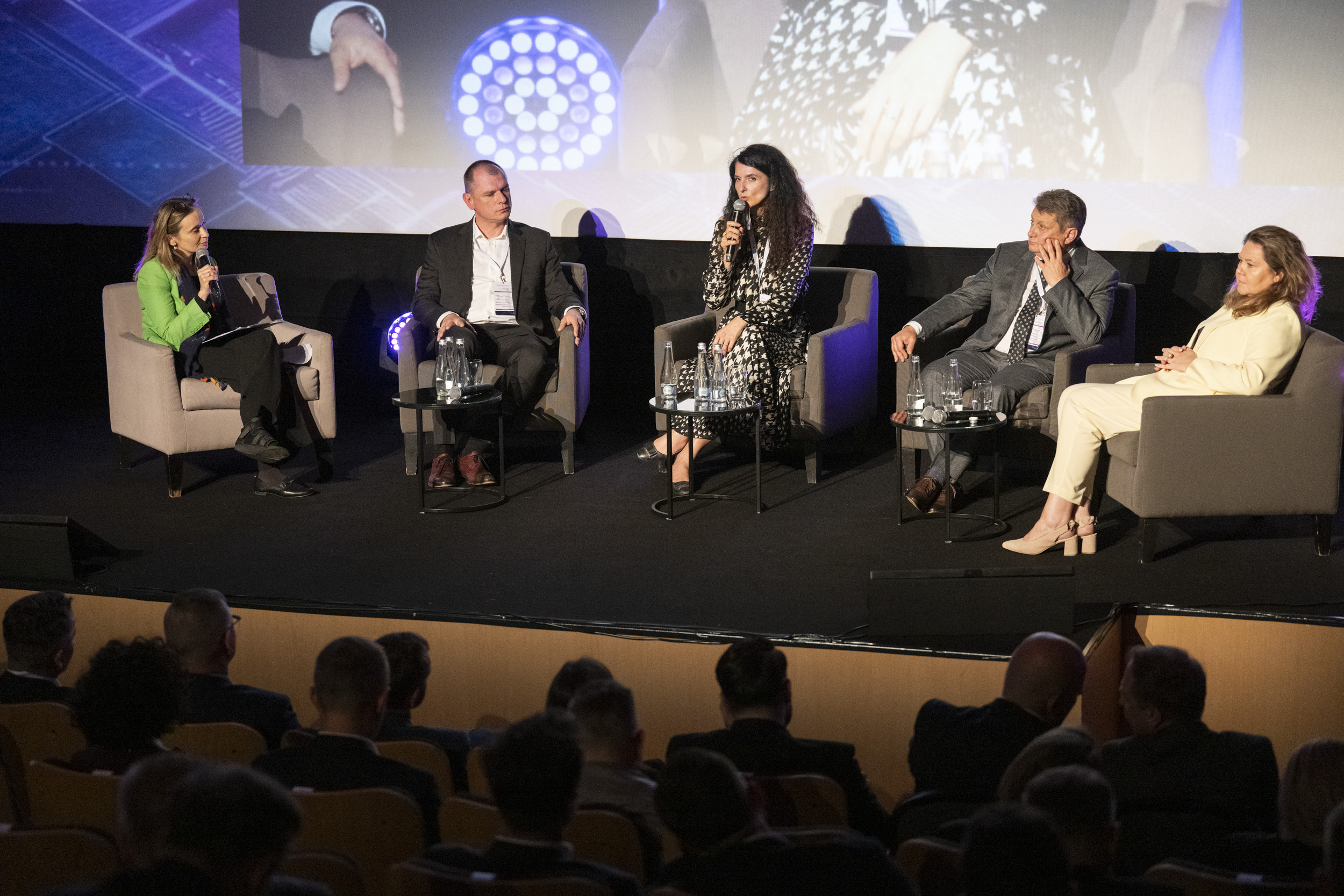
Next, Forum participants focused on a specific aspect of infrastructure security. The panel discussion entitled “Infrastructure investments with resilience dividends” addressed how road, rail, port, and energy projects can increase not only the physical but also the social resilience of the country. The session was introduced by Michał Domaradzki from Polish Energy Group (Polska Grupa Energetyczna), and the opening speeches were given by Arkadiusz Marchewka, Deputy Minister of Infrastructure, and Wojciech Wrochna, Government Plenipotentiary for Strategic Energy Infrastructure. The discussion was moderated by Małgorzata Krajewska from the Lewiatan Confederation, and the speakers included Anna Żabska, Lower Silesian Province Governor, Magdalena Gaj, President of the Management Board of Exatel, Paweł Prasuła, founder of the EIP Group, and Gen. Jan Rajchel, President of the Government Agency for Strategic Reserves.
NATO, technology, and digital resilience
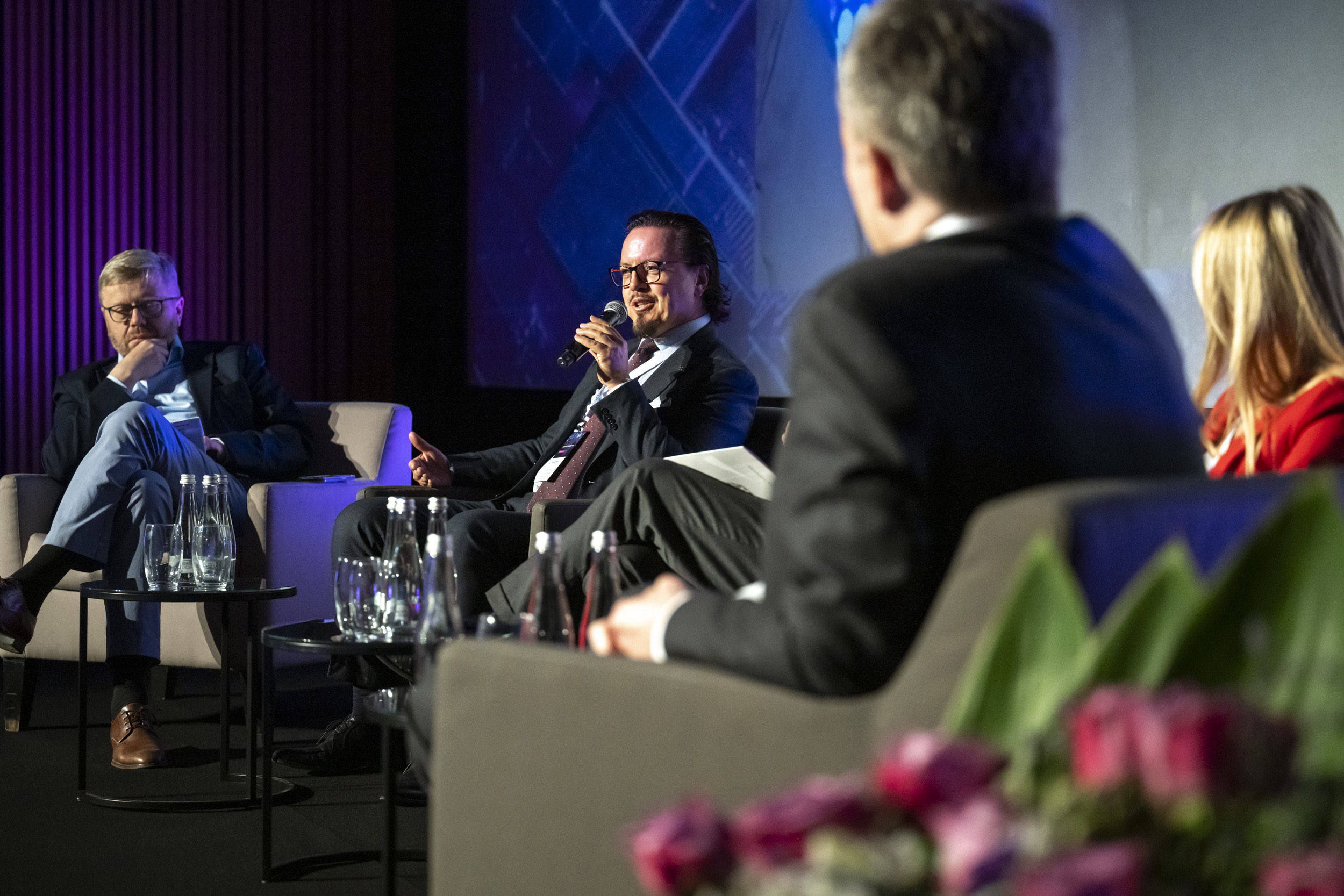
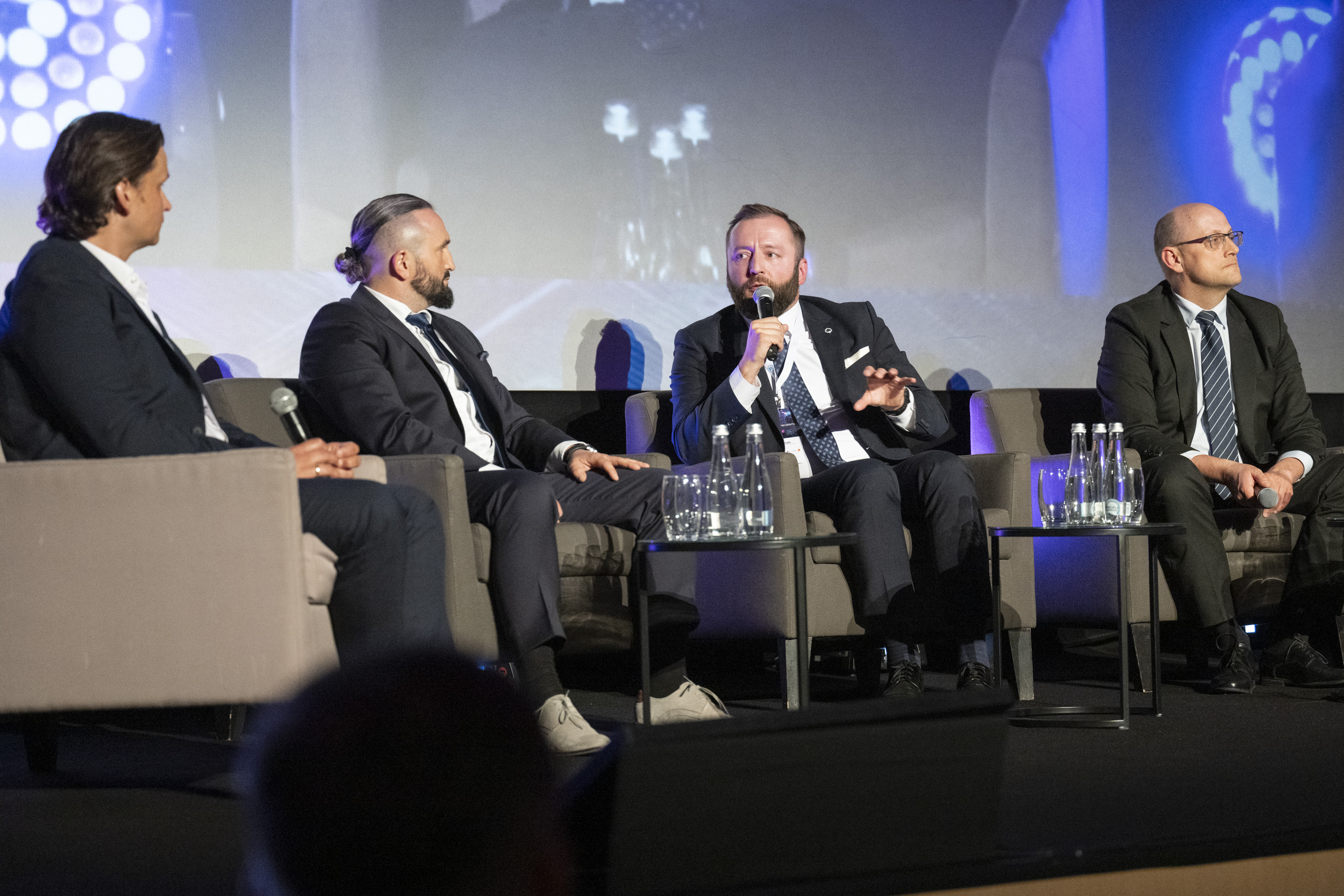
The session conducted in English entitled “Digital Interoperability in NATO” with the participation of Fulvio Arreghini (Head of Global Business at Infodas) and Janusz Kapuścik (President of the Management Board of Egida IT Security Solutions) was of particular popularity. The discussion focused on common technological standards within the Alliance and how Poland can make a real contribution to strengthening the region's digital resilience. The session was moderated by Sławomir Chmielewski from Orange Polska, who emphasized the importance of communication system consistency and secure data exchange within NATO structures.
The need to ensure the highest level of security for data, information, and systems that are critical to the functioning of public institutions, critical infrastructure, and the defense sector was also discussed. Particular attention was paid to modern solutions such as Cross Domain Solutions, gateways, and data diodes, used, among others, in the defense sector, public administration, and strategic infrastructure.
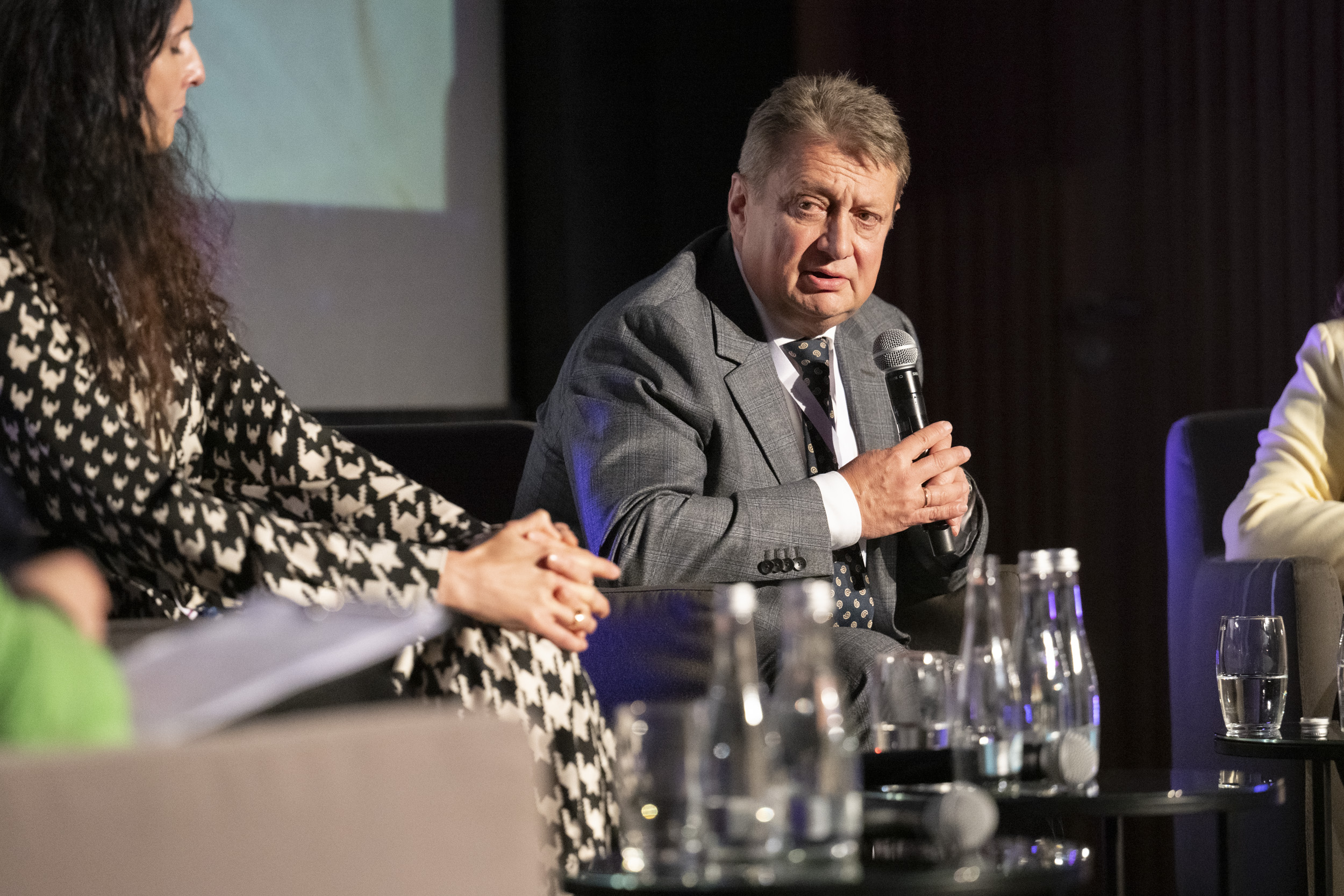
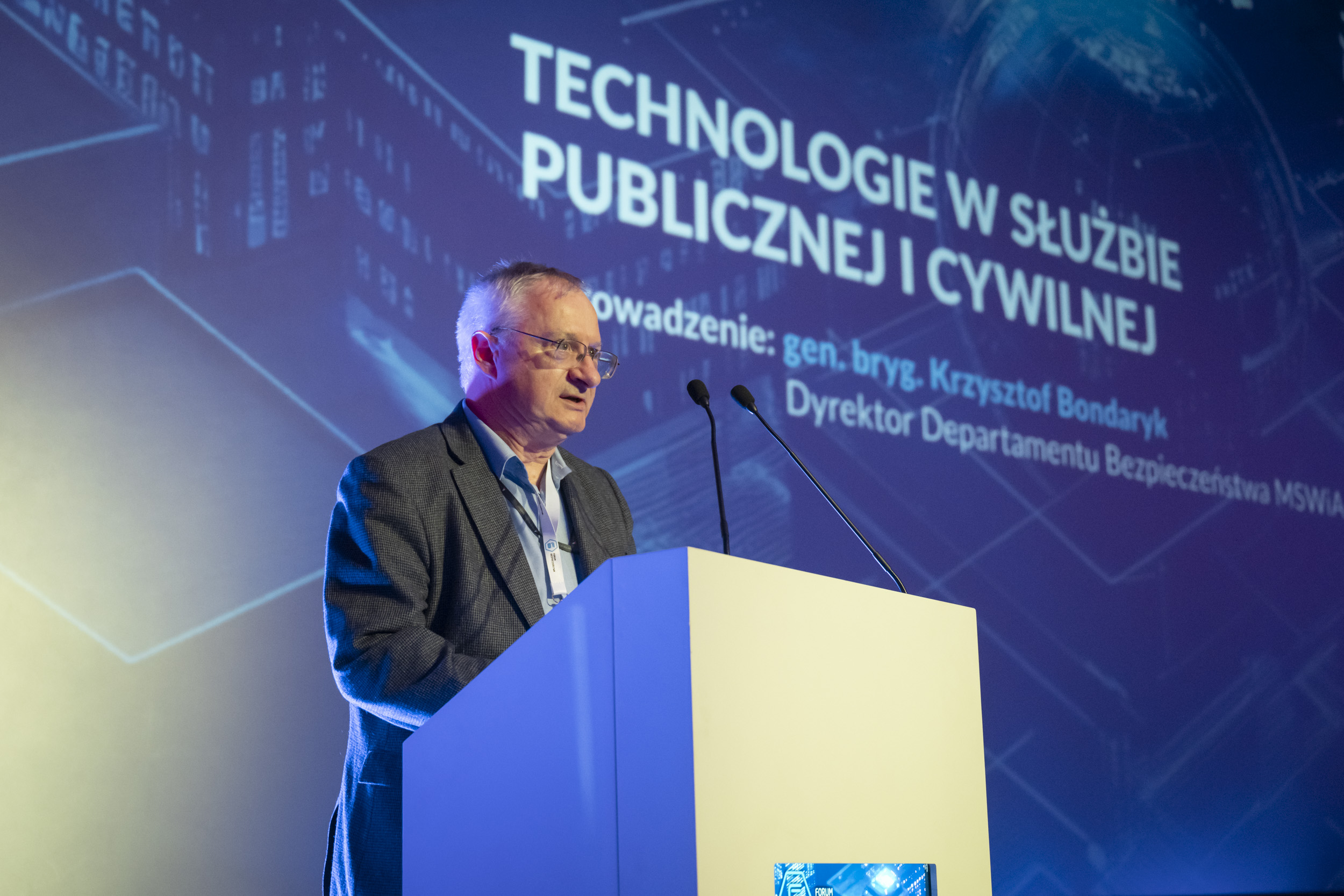
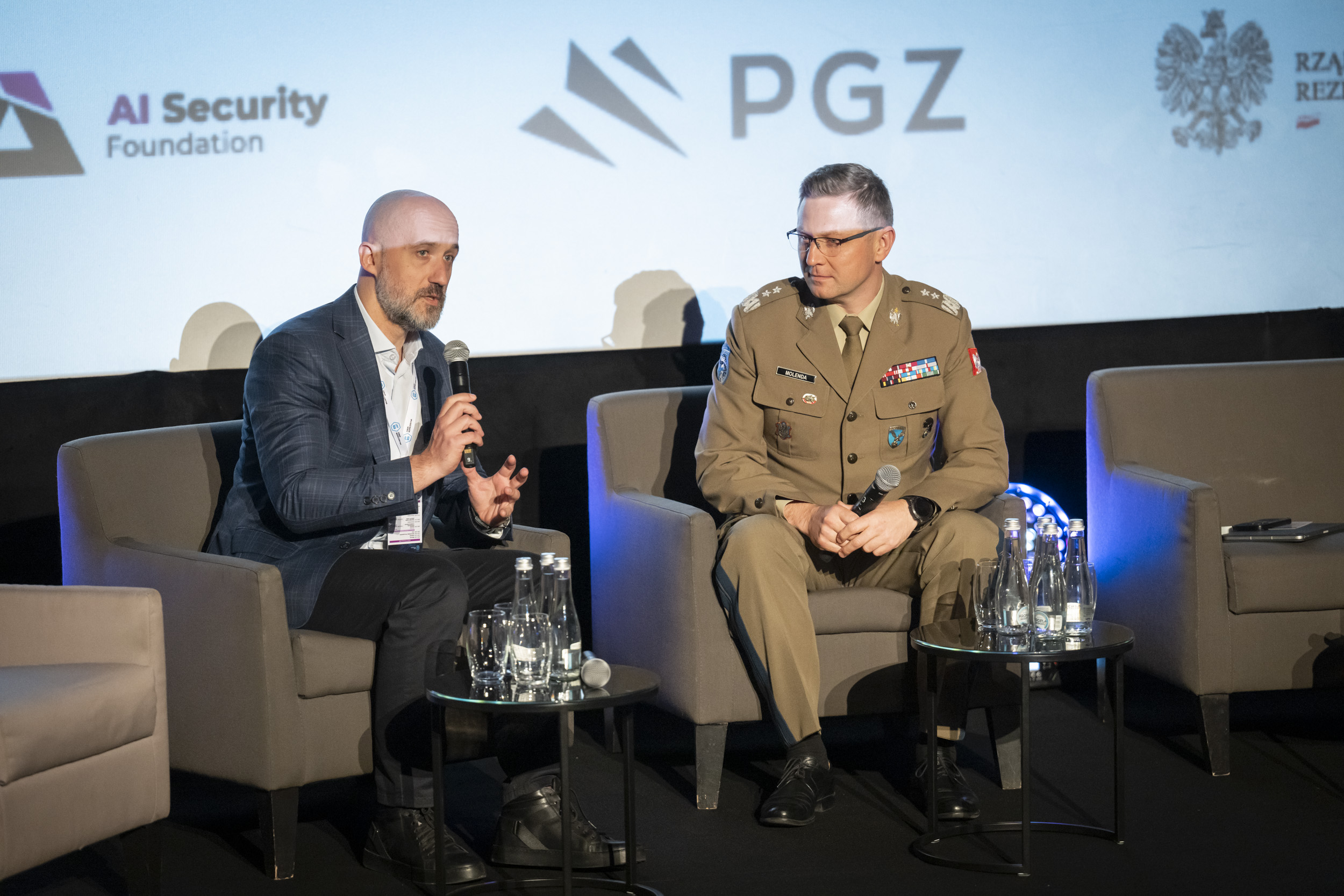
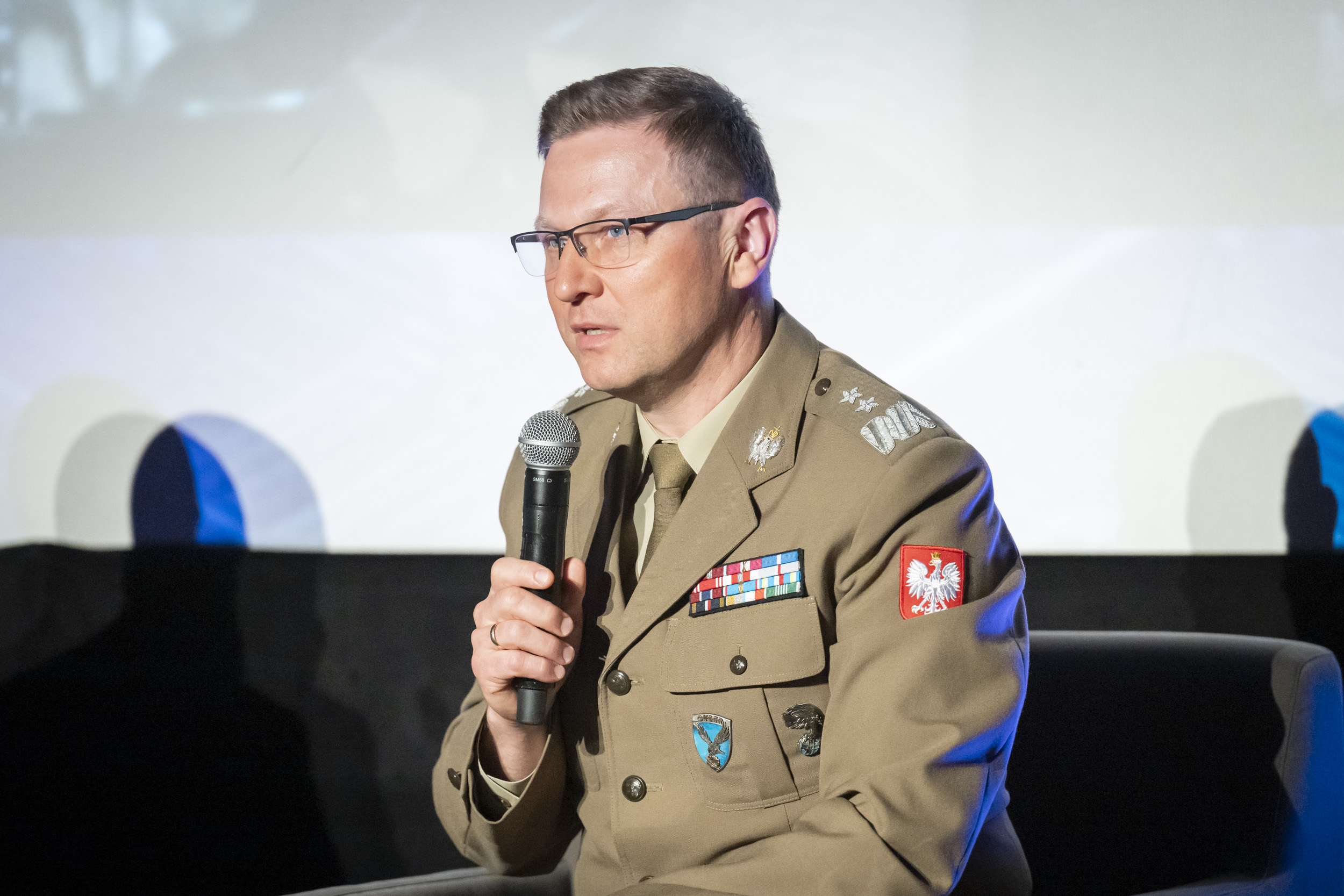
A separate session entitled “Technologies in public and civil service” was also devoted to technologies, bringing together leaders from the IT industry, administration, and cybersecurity experts. The panel was introduced by Brigadier General Krzysztof Bondaryk, Director of the Security Department at the Ministry of the Interior and Administration, who emphasized the need for a systematic approach to the use of technology in public service. The central point of the session was a conversation between Piotr Borkowski and General Karol Molenda, commander of the Cyber Defense Forces Component, devoted to the challenges of digital security and the role of modern technologies in protecting public infrastructure and the resilience of state institutions.
This was followed by a moderated panel discussion led by Wojciech Maciejczak, Director of Regulatory Security at Orange Polska. The panelists’ group included Paweł Poncyljusz, CEO of MINDMADE, Paweł Olszewski, Secretary of State at the Ministry of Digital Affairs, and Robert Domagała from Dell Technologies.
Social security – not just institutions
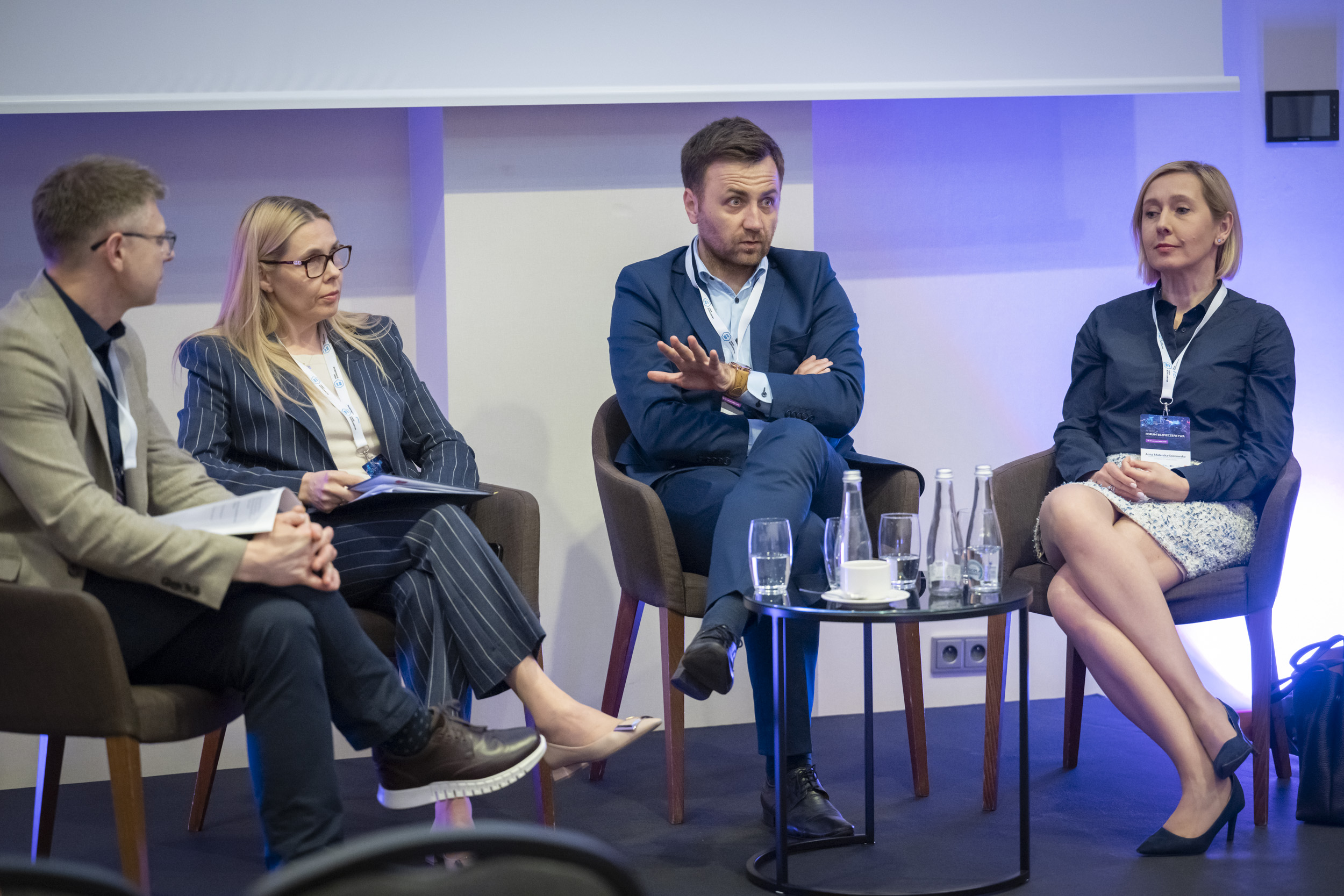
The panel moderated by Konrad Ciesiołkiewicz, member of the State Commission for Counteracting Sexual Abuse of Minors Under 15, addressed the theme of social security. The speakers’ group included Monika Kondratowicz, secretary of the Podlaskie Province, Anna Materska-Sosnowska, PhD from the University of Warsaw, and journalist Michał Janczura. The discussion focused on the importance of education, empathy, and institutional support in building social resilience.
Internal security and public order
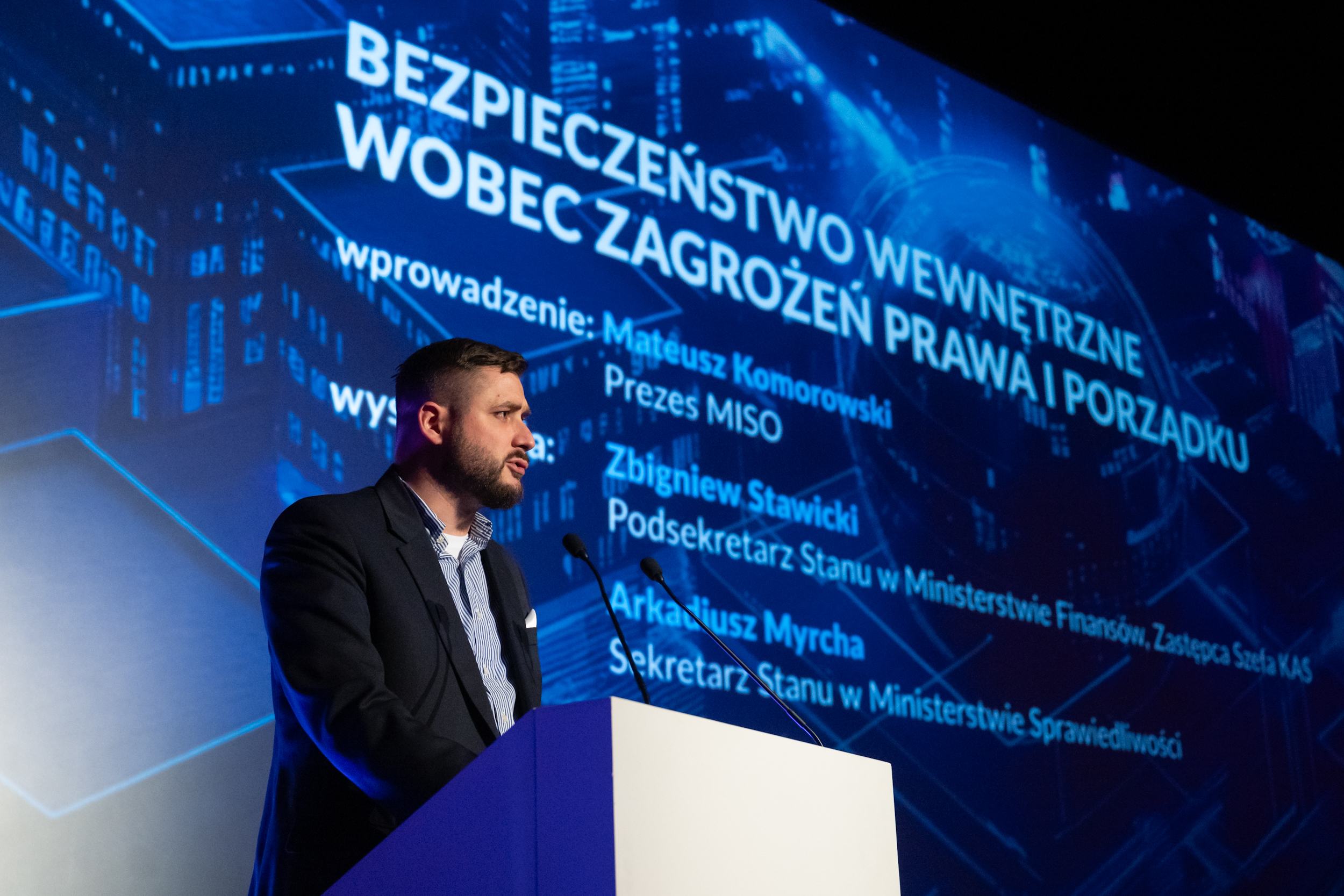
The session entitled “Internal security in the face of threats to law and order” played a special role within the Forum. In his introductory speech, MISO President Mateusz Komorowski said:
"In the face of increasingly complex threats – from organized crime, cyberattacks, and terrorism to sabotage and information destabilization – it is becoming more and more difficult to talk about security as the exclusive domain of law enforcement agencies. Today, an effective response requires close cooperation between state institutions, the private sector, local governments, and civil society." He also emphasized the importance of democratic order, social trust, digital resilience, and the need to create a new culture of security based on shared responsibility and adaptability. He drew attention to the role of social organizations as an indispensable element of the national resilience system.
Zbigniew Stawicki, Undersecretary of State at the Ministry of Finance and Deputy Head of the National Revenue Administration, and Arkadiusz Myrcha, Secretary of State at the Ministry of Justice, took the floor during the speeches. Both referred to the current threats to public order and the need for inter-ministerial cooperation.
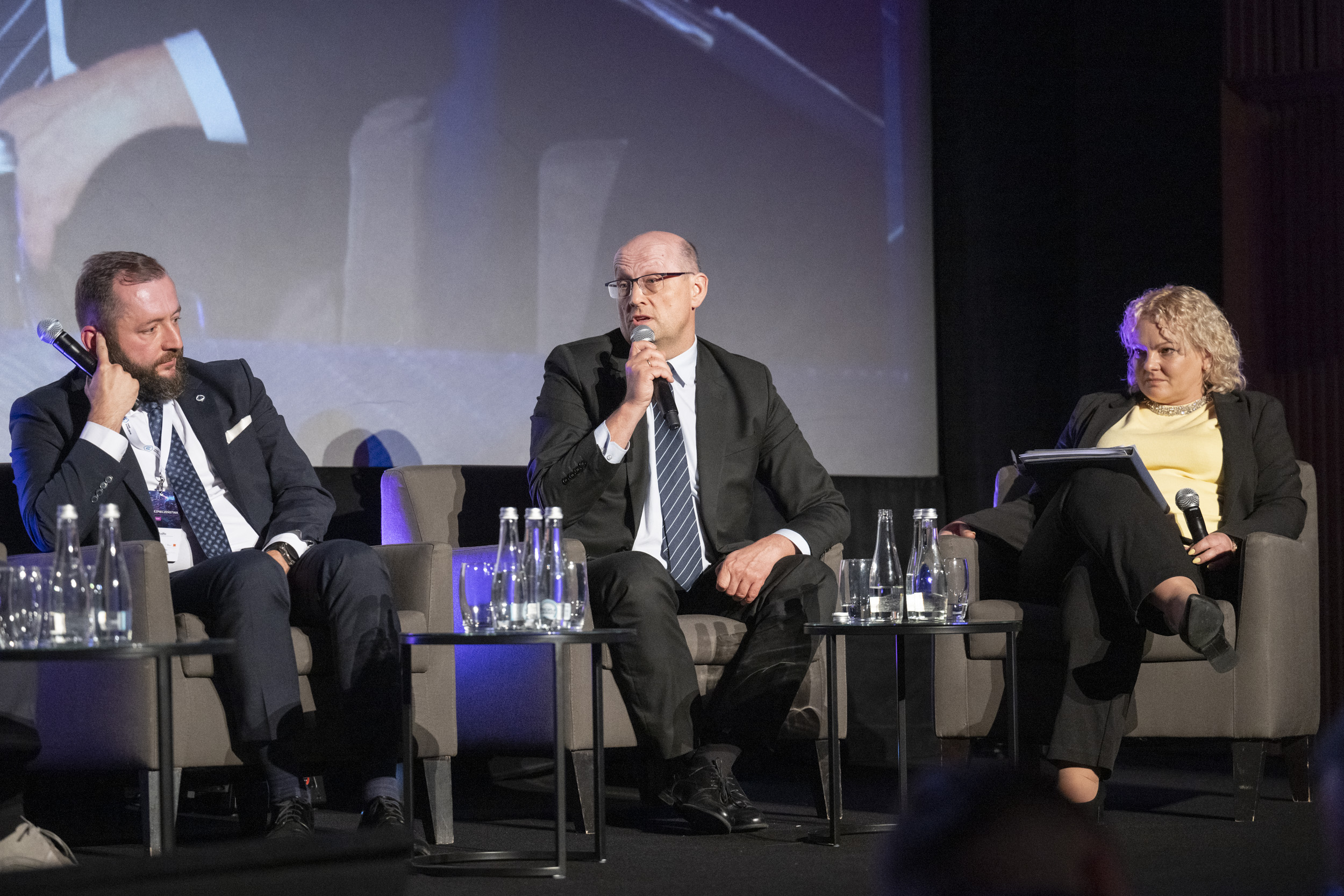
This was followed by a moderated discussion with representatives of key institutions responsible for internal security. The discussion was moderated by Maciej Mackiewicz, President of the AntiFraud Association. The debate was attended by Wojciech Olszowy from the Central Anti-Corruption Bureau, Inspector Michał Pudło, Deputy Commander of the Central Bureau for Combating Cybercrime, Jacek Bilewicz, Deputy Prosecutor General, and Agata Furgała, Director of the Department of Public Order at the Ministry of the Interior and Administration.
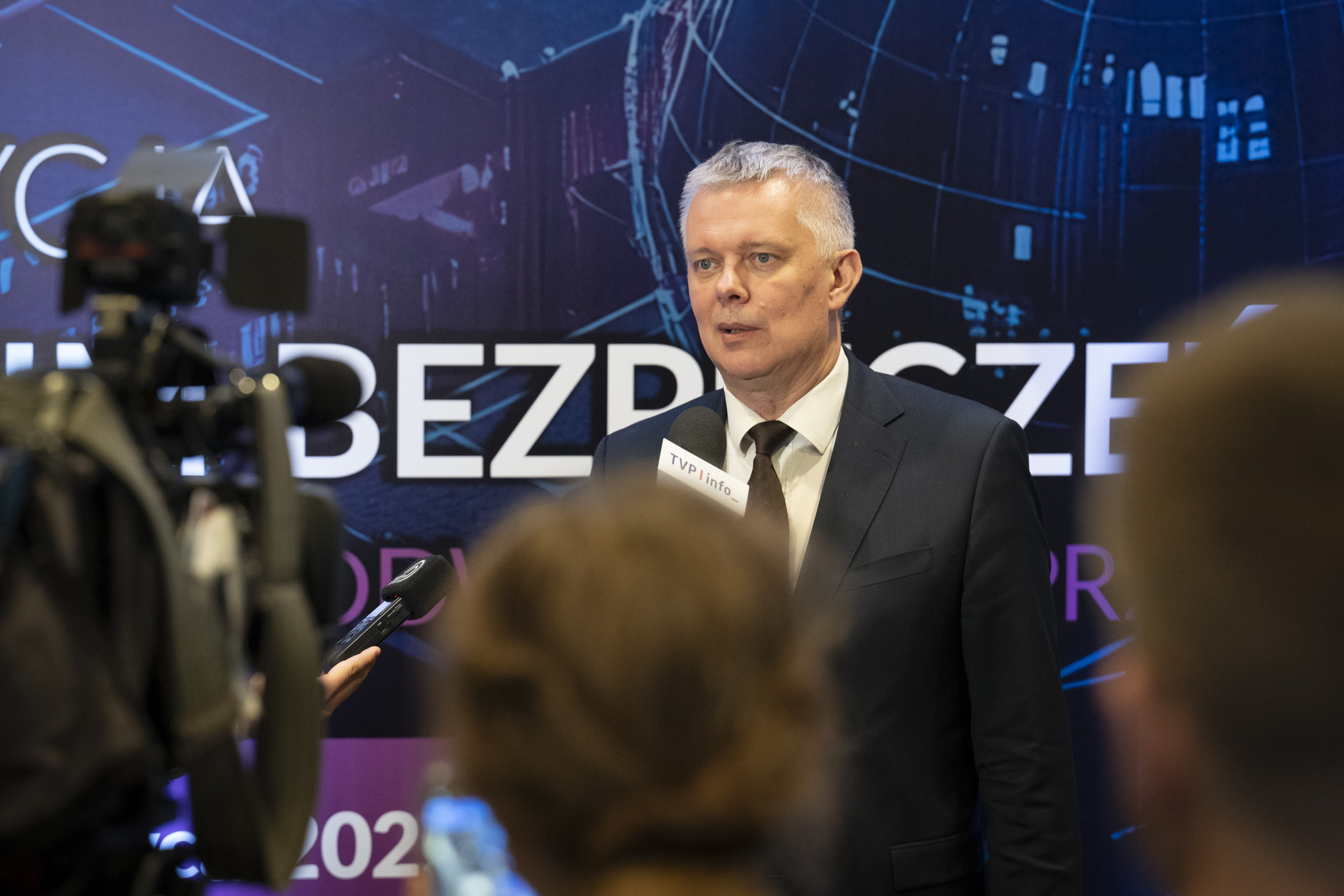
The session was closed by Tomasz Siemoniak, Minister of Internal Affairs and Administration and coordinator of special services, who gave the debate a strategic dimension by pointing out the directions of state action in response to increasingly complex threats to public order and security.
Disinformation and artificial intelligence
During the panel discussion “Artificial intelligence in disinformation,” led by Paulina Ostrowska from the AI Security Foundation, the challenges associated with the use of artificial intelligence in the context of information security were debated. The panelists’ group included: Artur Klepacki, Director of the IT and Cybersecurity Department at the Personal Data Protection Office; Joanna Szczegielniak, representative of the AI Working Group (GRAI) at the Ministry of Digital Affairs; and Anna Matusiak-Wekiera, an expert in new technology law at the JDP Drapała & Partners law firm.
Strategic mobilization and resilience: finale with the participation of the head of SKW and a veteran
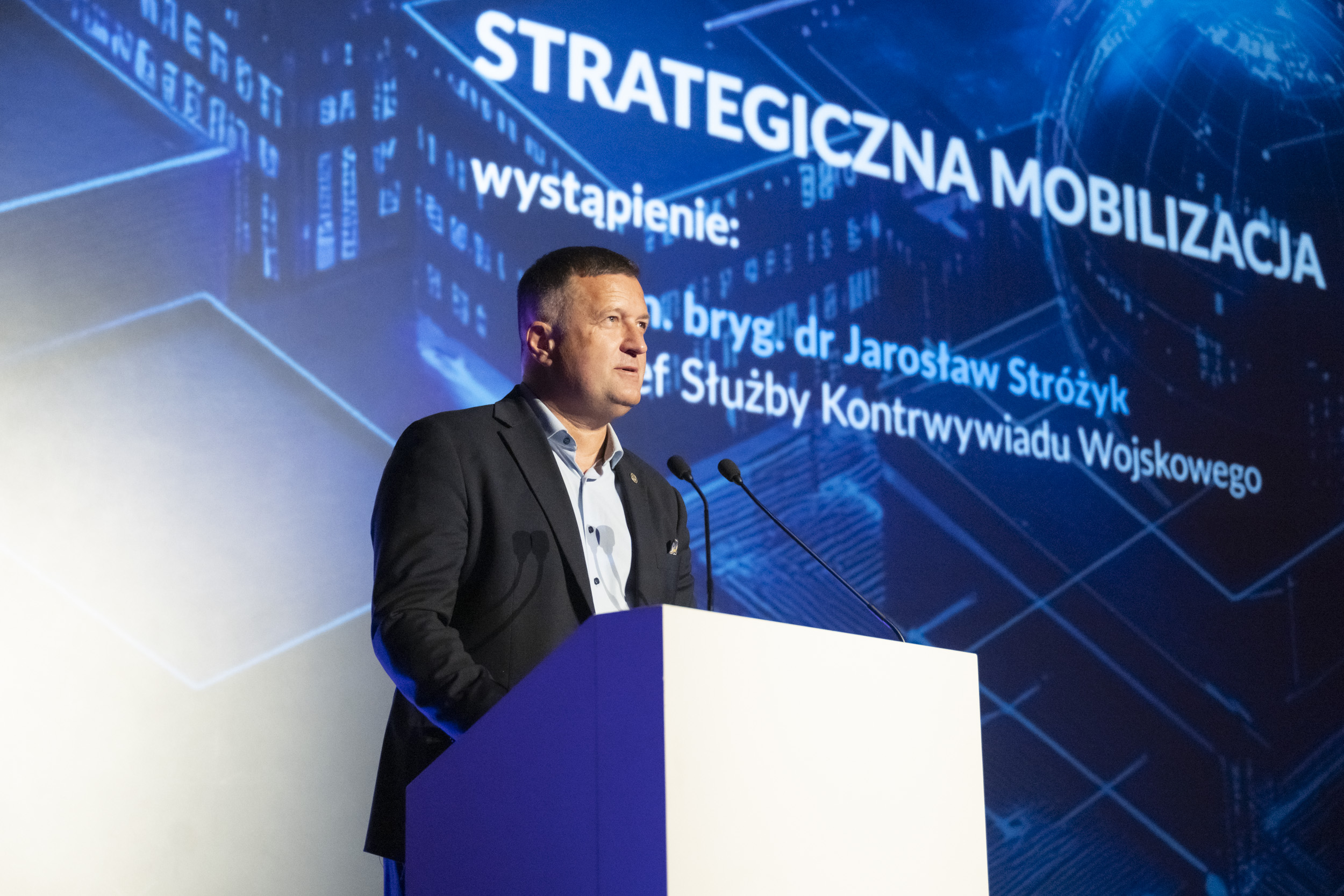
The last (closing) session of the Forum – “Strategic mobilization” – began with a speech by Brigadier General Jarosław Stróżyk, head of the Military Counterintelligence Service. The general pointed out the most important geopolitical challenges and the need to strengthen the resilience of the state not only at the operational level, but also at the strategic level.
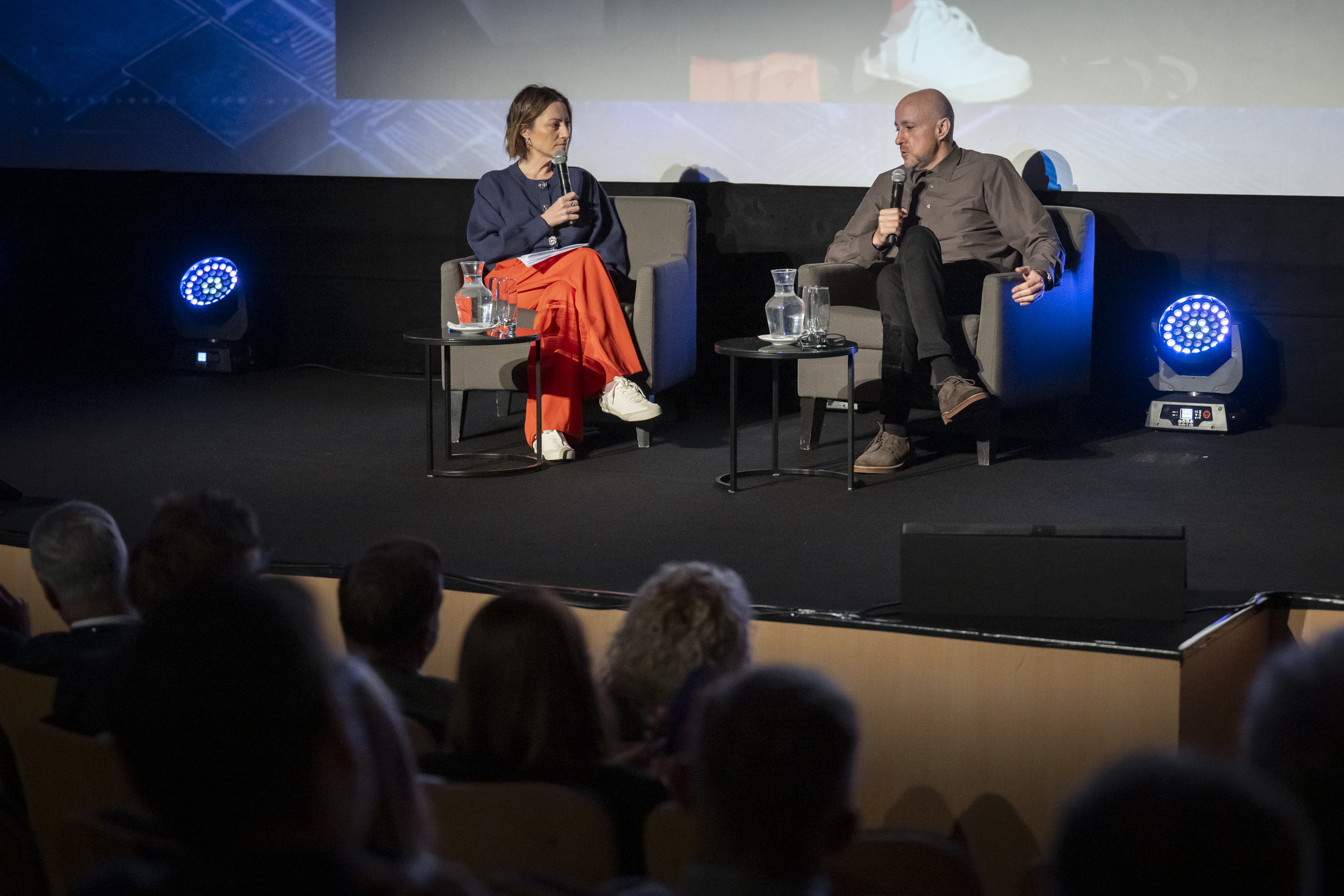
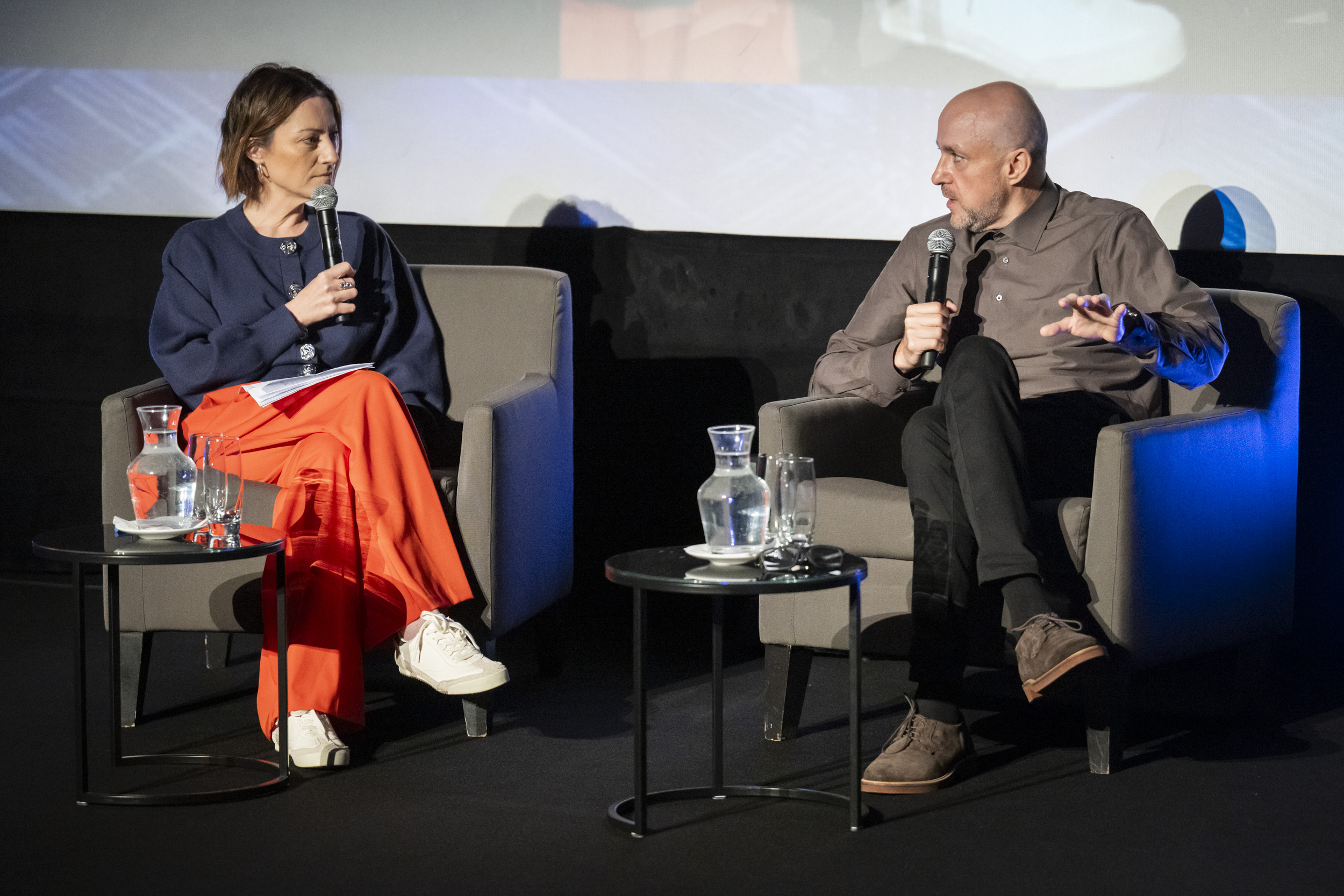
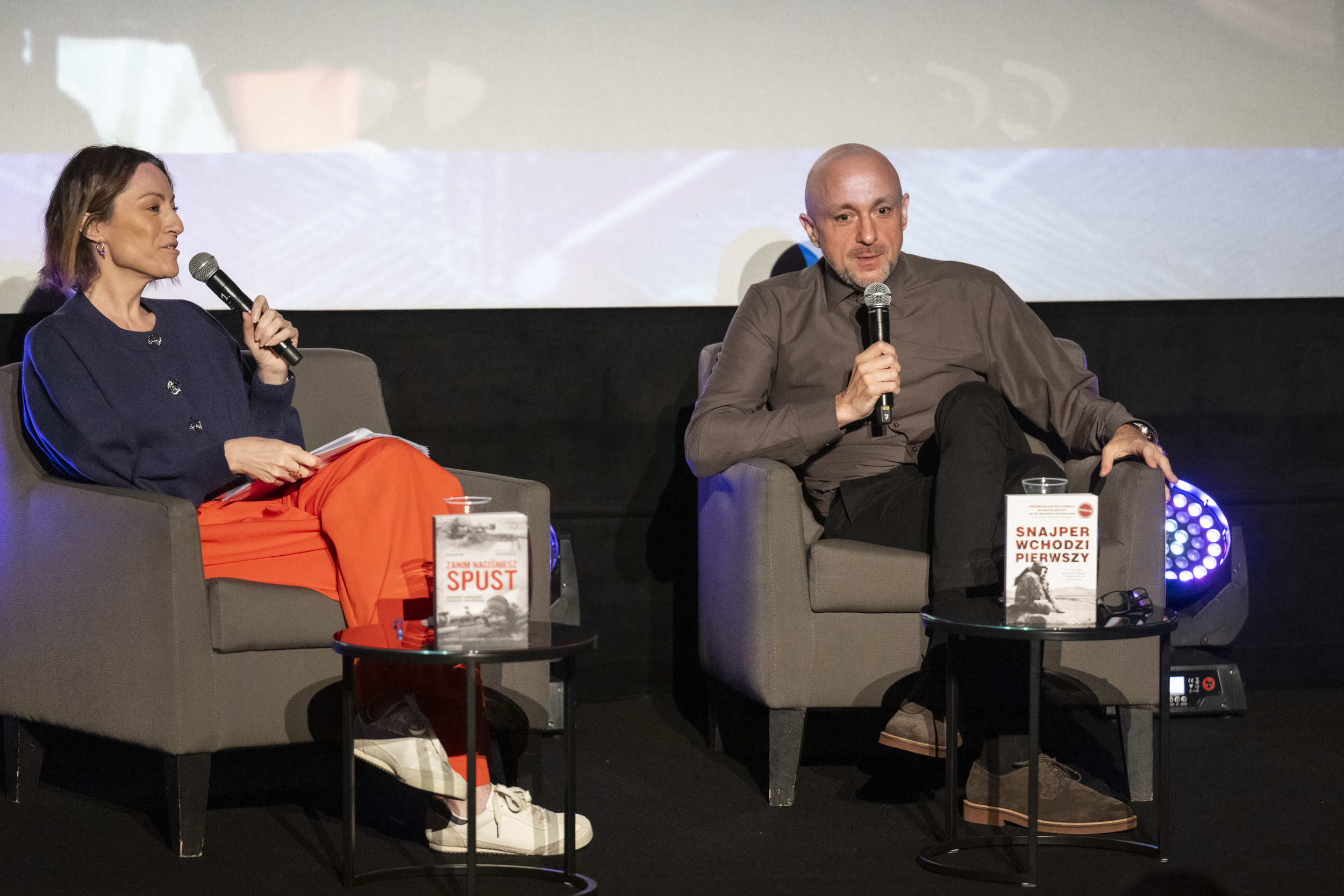
The event concluded with a conversation between Przemysław Wójtowicz, a former soldier, sniper, Afghanistan war veteran, consultant, and educator, and Iwona Kutyn. Their dialogue on physical, mental, and institutional readiness was a powerful, personal note to close the Forum. The conversation also touched on his experiences on the battlefield, behind the scenes of training, and sniper operations during the war. Wójtowicz shared his perspective on contemporary challenges in the field of security and social resilience, pointing to the role of individual and systemic preparedness in the face of threats.
A resilient society is a jointly responsible society
The 2025 Security Forum confirmed that dual-use technologies and military-civilian investments are the foundation for building systemic resilience. Dual-use solutions enable synergistic support for both society and the armed forces, as was clearly stated by representatives of the government, the military, and business present in Łódź.
Building a conscious, safe, and united civil society requires the involvement of all sectors—public, private, and civic. Cross-sector partnerships that support the development of innovative solutions and cooperation to strengthen the country's resilience are of key importance here. This year's Forum emphasized the role of open dialogue and cooperation as the foundations of an effective security and systemic resilience strategy.